
Last updated November 24, 2026
 Sweep & inspection
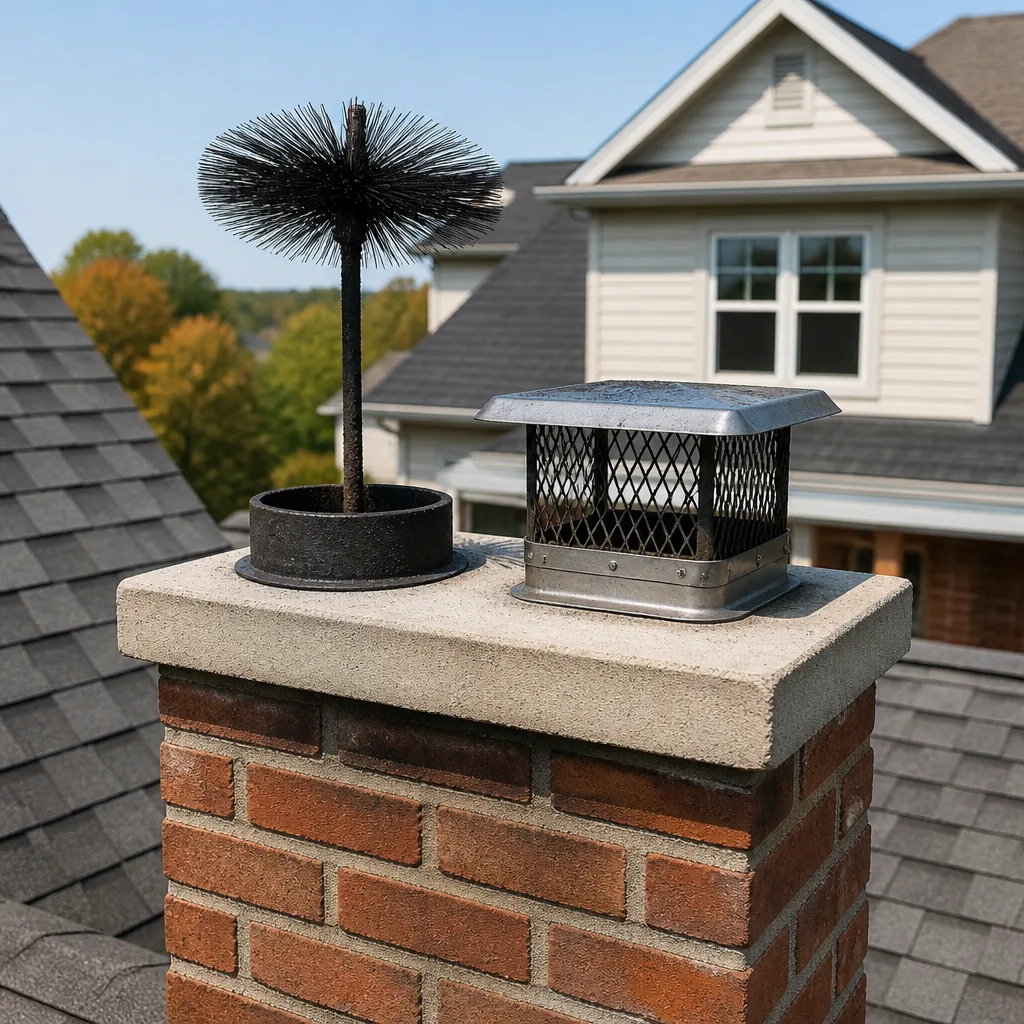
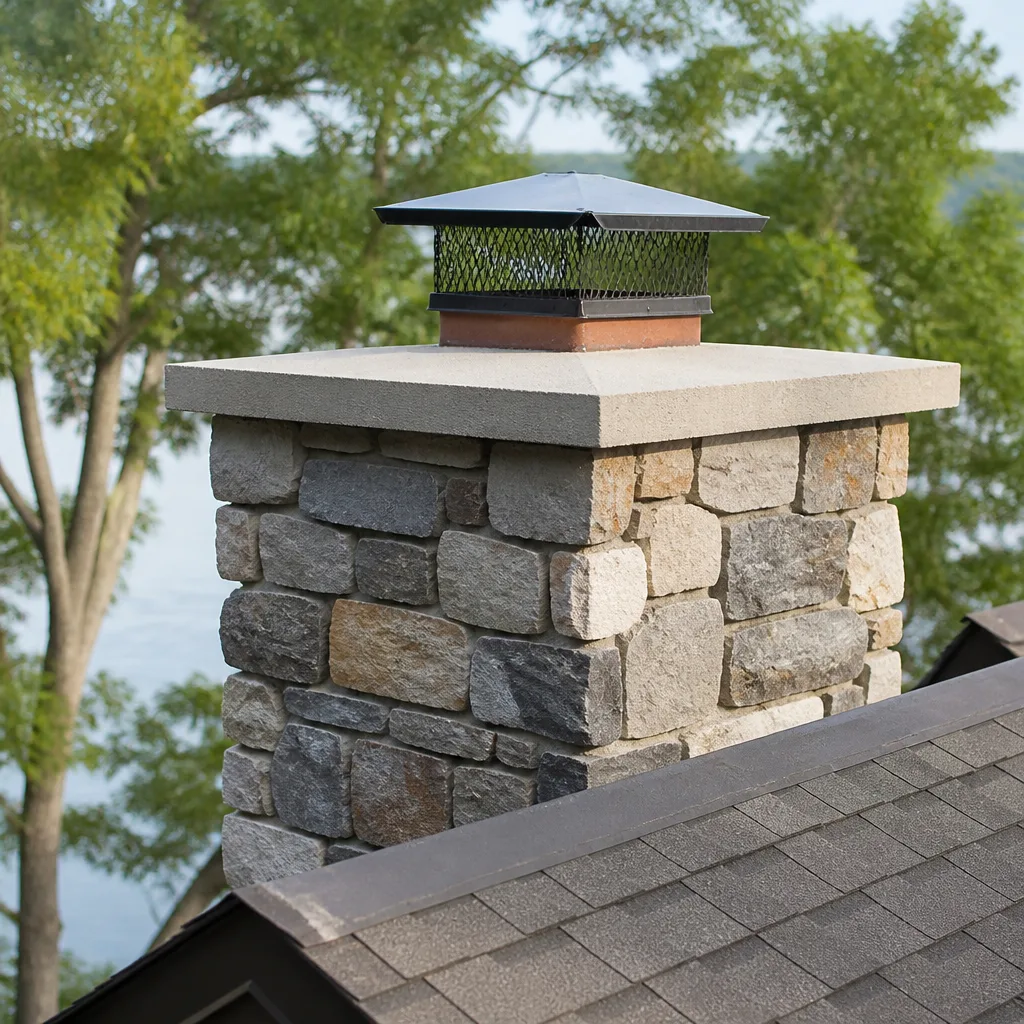 Caps & crowns
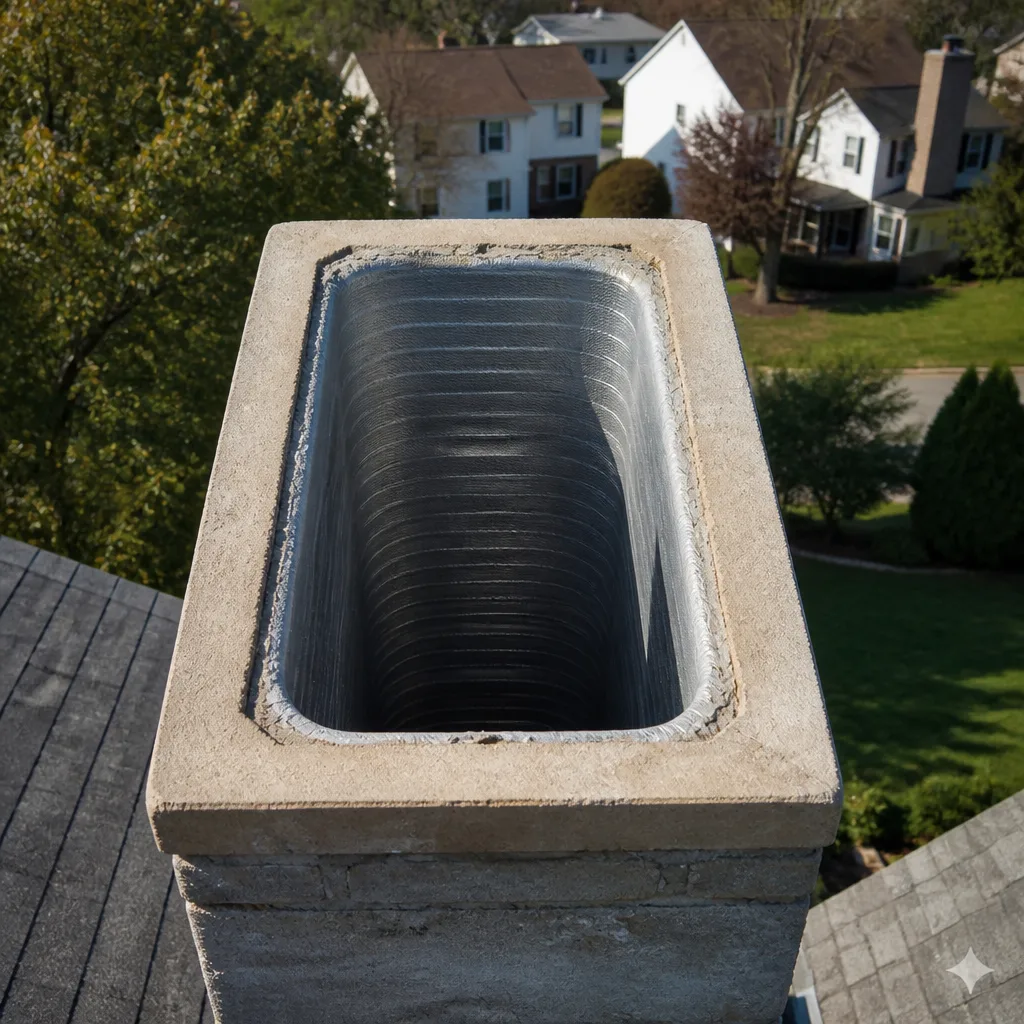 Flue relining
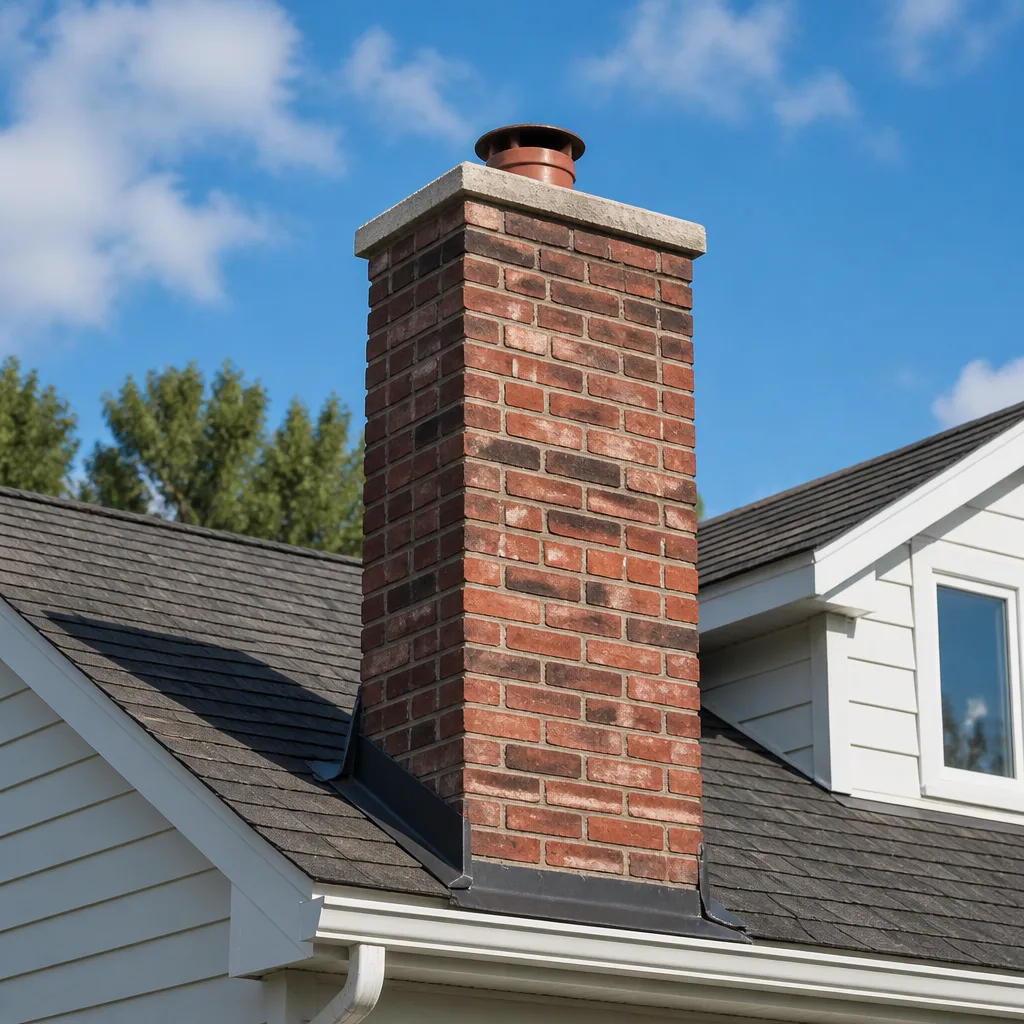 Masonry repair
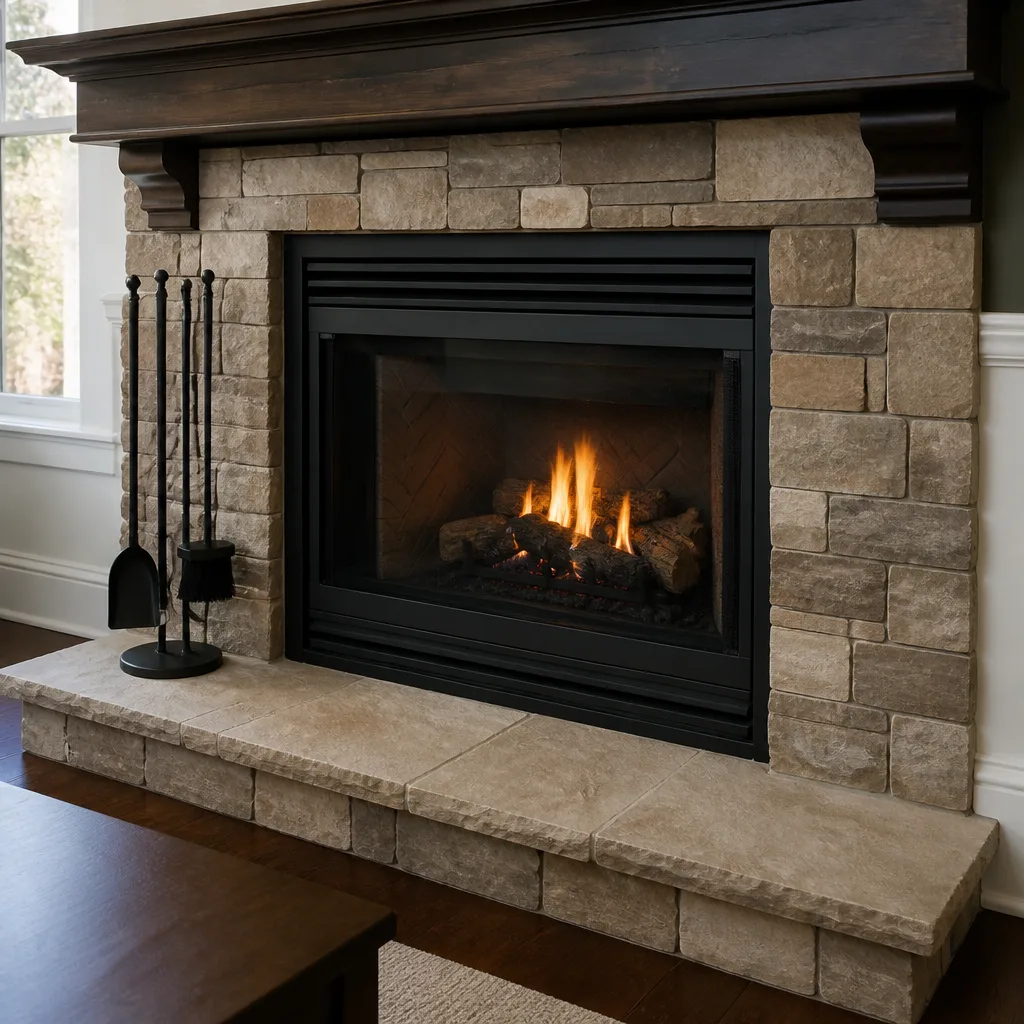 Gas fireplace service
Level 1 sweep and inspection to the NFPA 211 annual standard - flue, crown, cap, and flashing checked and photographed
Chimney sweep logs do not sweep chimneys. They loosen some creosote - which then falls where a brush and vacuum still have to collect it.
Chimney Cleaning Cost Breakdown: The Madison Homeowner’s Reference for 2026
Two quotes land in your inbox. One says $89 for a chimney cleaning. The other says $340. Both call the work “chimney cleaning,” and both might come from people who show up with a brush. The difference is what happens inside the flue, the smoke chamber, and the firebox while they’re there, and what you’re handed when they leave. In Madison, where wood heat still carries a lot of homes through the cold months and older brick chimneys are common, that gap matters. This guide breaks down what each tier of chimney work actually includes, what drives the price up or down, and how to read an estimate so you’re comparing the same job twice.
Quick Answer
Chimney cleaning in Madison typically runs $150 to $350 for a standard sweep, and $250 to $500 or more when the job includes a Level 2 inspection with video scan and a written condition report. The single biggest driver isn’t the sweeping itself; it’s whether the quote covers creosote removal, smoke chamber brushing, and documentation. A written estimate that itemizes each of those is worth more than a flat number with no breakdown.
Styles & brands we work with
- Sweep & inspection
- Caps & crowns
- Flue relining
- Masonry repair
- Gas fireplace service
Table of Contents
- What Are You Actually Paying For?
- The Three Cost Tiers: Basic Sweep, Full Cleaning, and Level 2 Inspection
- What Pushes the Price Up or Down
- What the Cheapest Bid Almost Always Omits
- How to Read a Written Estimate
- When Repairs Are Unavoidable vs. When Maintenance Would Have Prevented Them
- What Makes a Chimney Job in Madison Different
- Common Mistakes to Avoid
What Are You Actually Paying For?
A chimney cleaning is not one task. It’s a sequence of tasks performed on a system with several distinct zones, and each zone has its own failure mode. The firebox collects ash and soot. The smoke chamber above it, with its corbeled shape, traps creosote in ways the flue never does. The flue itself carries the byproducts of combustion upward, and its condition determines whether the whole system vents safely. A proper cleaning touches all three. A brush-and-go job touches one.
Here’s what the price of a real chimney cleaning in Madison covers:
- Setup and containment. Drop cloths, a sealed work area, and a running vacuum with HEPA filtration so the room stays clean. This takes time, and time is part of the cost.
- Firebox and damper cleaning. Ash removal, soot scraping, and a check that the damper opens, closes, and seals.
- Flue brushing. A rotary or poly brush sized to the flue, worked from the top down or the bottom up depending on access and the appliance.
- Smoke chamber brushing. The zone most often skipped. Creosote glazes onto the corbeled walls, and a straight flue brush doesn’t reach it. This alone can be the difference between a $150 sweep and a $300 cleaning.
- Debris removal and disposal. Sweeping the sweepings, so to speak. Hauling out the soot and creosote.
- Visual condition check and a report. What the technician saw, what condition the flue is in, and whether anything needs follow-up.
That last item, the report, is where a lot of the value lives. If your insurance carrier or a future buyer’s inspector asks for documentation of maintenance, a written report with photos is what answers the question. A sweep that leaves you with a cleaned chimney and no paperwork leaves you with nothing to show for it. When you book a chimney sweep, ask upfront whether the report is included or extra.
The Three Cost Tiers: Basic Sweep, Full Cleaning, and Level 2 Inspection
Most Madison chimney bids fall into one of three tiers. Knowing which tier a quote represents is the fastest way to compare two numbers that look nothing alike. Here’s the breakdown as it typically runs for 2026, with the caveat that the written estimate always sets the final figure.
Tier 1: Basic Sweep
Typical range: $150 to $200. A brush-down of the flue and a firebox clean. Adequate for a chimney with light soot and no red flags, usually on an annual maintenance schedule. It rarely includes a camera or a formal written report. It’s the right choice when the chimney has been serviced regularly and nothing has changed.
Tier 2: Full Cleaning
Typical range: $200 to $350. The basic sweep plus smoke chamber brushing, damper service, cap and crown inspection from the roof, and a written condition summary. This is what most Madison homeowners actually need, because the smoke chamber is where creosote builds hardest and where the flue brush never reaches.
Tier 3: Level 2 Inspection with Video Scan
Typical range: $250 to $500, more for complex or multi-flue systems. The full cleaning plus a camera run down the flue, recording of the scan, and a written report with photos. A Level 2 inspection is the standard when a home changes hands, when an appliance changes (a wood stove replacing a fireplace, or a gas insert going in), after a chimney fire, or when a prior sweep flagged something it couldn’t explain. It’s also the only tier that tells you with certainty whether the flue has cracked tiles, gaps in the liner, or hidden offset problems.
Here’s the practical takeaway: if you can’t tell which tier a quote covers, you can’t compare it to another quote. A $150 sweep and a $350 full cleaning may be priced fairly for what they do, but they’re not the same service, and neither is automatically the better deal.
What Pushes the Price Up or Down
Chimney pricing in Madison isn’t random. A handful of physical factors account for nearly all the variance between a low quote and a high one on the same house. Understanding them helps you tell a fair price from a padded one, and it also helps you spot a bargain that’s actually skipping something.
- Flue height. Taller chimneys take more time to access and to brush. A two-story exterior chimney with a steep roof pitch adds labor that a short single-story chimney doesn’t.
- Number of flues. A chimney serving both a fireplace and a furnace, water heater, or gas insert has multiple flues, and each one needs cleaning and inspection. A quote that prices the chimney as one flue when it’s two is a quote that will grow once the technician is on the roof.
- Degree of creosote buildup. Creosote stages matter. Light soot brushes off. Glazed, hardened creosote, the kind that forms in a chimney run too cool or with unseasoned wood, has to be scraped, chemically softened, or in severe cases resurfaced. That’s a materially different job from a routine sweep, and pricing that doesn’t account for it is pricing that’s about to change.
- Accessibility. Roof access, the presence of a cap, the slope of the roof, and how the flue is reached all play in. A chimney boxed in by a recent addition or behind a steep roof section is harder to service than a straight-shot exterior chimney.
- Appliance type. A wood-burning fireplace, a gas insert, and an oil appliance each have different cleaning needs. Gas appliance flues need different tooling, and oil flues carry their own soot profile. Pricing should reflect which one is being serviced.
- Condition surprises. Cracked tile, a failing crown, a missing cap, or rusted components found during the work can shift the job from cleaning to repair. A good estimate leaves room to document those and quote them separately rather than folding them into a surprise total.
In our experience, the biggest mistake homeowners make is assuming creosote is creosote. It isn’t. The difference between a light soot year and a glazed creosote year is the difference between a routine cleaning and a resurfacing job, and pricing that ignores the distinction is pricing that gets revised on the roof.
What the Cheapest Bid Almost Always Omits
The lowest chimney quote on your list is usually the lowest for a reason. Not because the work is done poorly, but because it’s scoped narrowly. Here’s what tends to fall off the low bid:
- The smoke chamber. Brushing it takes time and a special tool. A flue-only sweep is faster and cheaper, and leaves the creosote that builds hardest right where a fire can reach it.
- The written report. Documentation costs the company time and costs you nothing, so it’s often the first thing cut from a discount quote. Without it, you have no record for insurance or resale.
- The camera scan. Video inspection requires equipment most discount operators don’t carry. That’s fine if you don’t need it, but it means the quote can’t tell you what a Level 2 would.
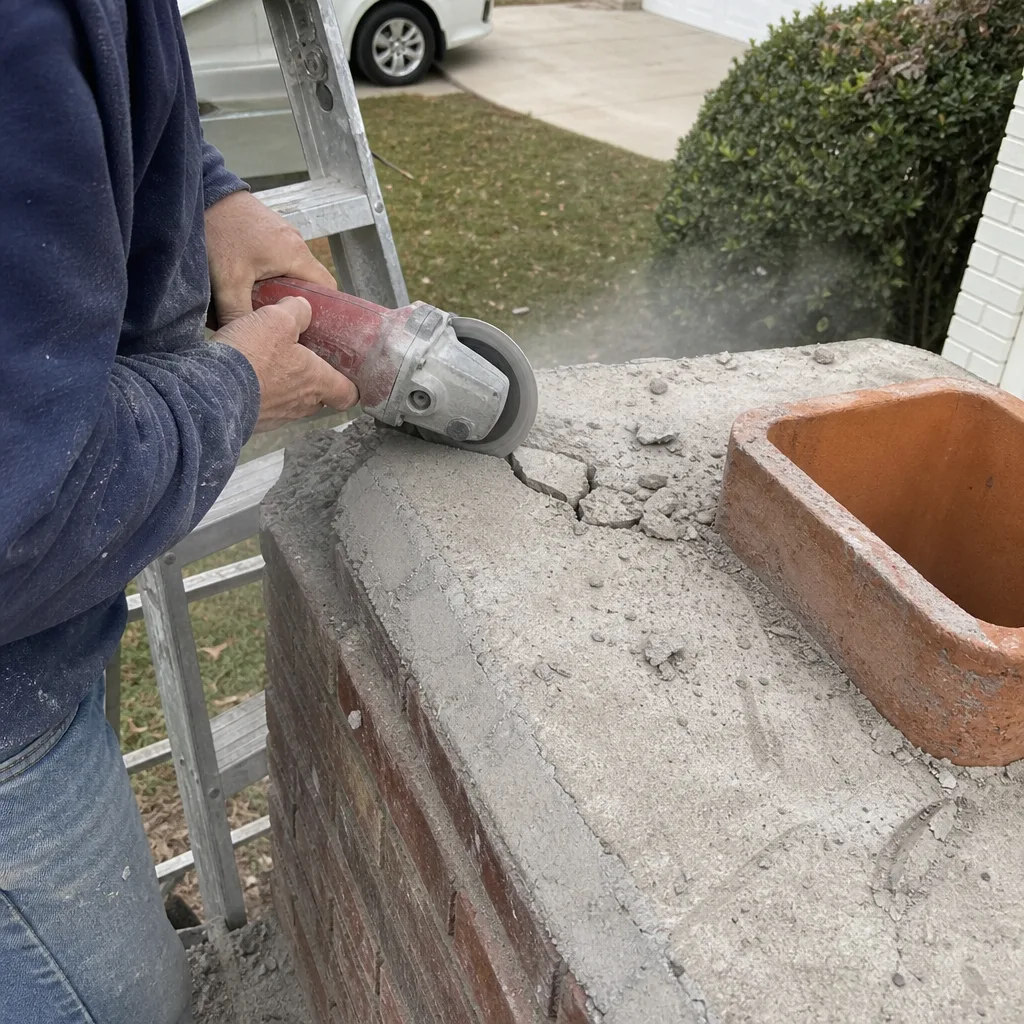
- Cap and crown inspection. Looking at the roof-level components is a separate step, and a cheap quote may skip the roof entirely. Water intrusion is the leading cause of long-term chimney damage, and the cap and crown are where it starts.
- Adequate creosote remediation. If the chimney has glazed creosote, a cheap quote may brush and walk away rather than address the hardened deposit. That’s exactly the condition that leads to a chimney fire or a costly liner replacement down the road.
None of this is an argument that the cheapest quote is dishonest. It’s an argument that it’s a different product. When you’re looking at a fireplace repair alongside a cleaning, or when the chimney is showing signs of age, the scope question becomes even more important, because the repair and the cleaning need to be quoted together to make sense.
How to Read a Written Estimate
A written estimate is a document you should be able to read like a scope of work. Detailed line items signal that the company priced the actual job. A lump-sum quote with no breakdown signals that you’re guessing at what’s included, and so is the company.
Here’s what a good chimney estimate in Madison looks like, item by item:
- Line 1: the service tier, named plainly (basic sweep, full cleaning, Level 2 inspection). Not “chimney service.”
- Line 2: what’s included, spelled out. Firebox, flue, smoke chamber, damper, cap and crown inspection, report.
- Line 3: what’s not included, also spelled out. If the tech finds creosote beyond a certain stage, or cracks in the flue, or a failed crown, how does that get priced? A good estimate answers that before the work starts.
- Line 4: the report and documentation, itemized or clearly stated. If it’s photos plus a written condition summary, it should say so.
- Line 5: the price, and that the written estimate sets the final price. The number you’re quoted is the number you’ll be asked to pay for the scoped work.
Two more things to look for. First, whether the estimate was written after someone actually looked at your chimney or came over the phone. Phone quotes on chimney work are guesses. Second, whether the estimate names the materials or product lines involved when repairs are scoped. If a liner replacement is being proposed, the estimate should identify the liner system. Professional-grade names like DuraFlex for liner systems or HeatShield for flue resurfacing tell you the company is specifying real materials rather than a generic patch. The same goes for cap and crown work, where the product matters as much as the installation.
If you want a second set of eyes on a quote you’ve already received, we’re glad to look at it. Nothing gets recommended without evidence you can see for yourself, and if the work can safely wait, we’ll tell you that too.
When Repairs Are Unavoidable vs. When Maintenance Would Have Prevented Them
Some chimney repairs are the price of time. Brick spalling, a crown that’s cracked through, a flue liner that’s reached the end of its service life; those happen to every chimney eventually, and no amount of sweeping prevents them. But a good share of the expensive chimney repairs we’re called to quote are damage that routine maintenance would have caught early, at a fraction of the cost.
The math looks like this. A yearly full cleaning with inspection runs in the low hundreds. A missed crown crack lets water into the chimney chase, where it freezes, thaws, and spalls the brick and mortar. By the time it’s visible inside the firebox, the repair has moved from a crown replacement to a crown plus masonry work plus, often, a liner that’s been wet and degraded. The gap between a maintenance schedule and a repair bill is not small.
The second math problem is creosote. A chimney run on unseasoned wood or with a smoldering fire builds glazed creosote faster than a clean-burning one. Regular cleaning keeps deposits in the brushable range. Neglect lets them harden into a condition that requires chemical softening or, in some cases, resurfacing with a product like HeatShield, which restores a deteriorating flue without a full rebuild. That’s a specialty scope most sweep-only operations don’t perform, and it only becomes necessary when the deposits have been left too long.
Here’s how to tell which side of the line you’re on:
- Scheduled cleaning and the report is clean – you’re in maintenance territory. Keep the schedule.
- Scheduled cleaning and the report flags early stage issues (a hairline crown crack, minor spalling, light glazing) – you’re in the preventive window. Address it while it’s small.
- No regular cleaning and a repair is being quoted – you’re likely in the avoidable-damage category. Get the scope in writing and get a second opinion before committing.
One honest caveat: not every flagged repair is urgent. Some can wait a season. Some should be done before the next burning season. A company that tells you “this is fine for now” when it is, and “this needs attention before winter” when it does, is worth keeping.
What Makes a Chimney Job in Madison Different
Chimney work in Madison isn’t identical to chimney work in the mountains or on the coast. The climate here is a humid subtropical one with four distinct seasons, hot summers and cold winters that swing through freeze-thaw cycles. That cycle is the operative fact for a chimney. Brick and mortar are porous; water gets in, freezes, expands, and works the masonry apart season after season. The crown is the usual entry point, which is why a proper chimney cap & crown inspection belongs in every cleaning, not just the ones where the homeowner asks.
Madison’s housing stock also plays in. Many homes here have exterior masonry chimneys serving wood-burning fireplaces, and a good number have been through an appliance change at some point, whether a gas insert added to an original fireplace or a wood stove replacing a hearth. That matters for pricing, because a chimney serving two appliances has two flues to clean and inspect, and the second flue is sometimes the one with the problem.
The local burning pattern is the last piece. Wood heat is common in Madison, and that means real creosote deposits, not the light soot you see in homes that burn a fire a few times a year. A Madison chimney is more likely to need smoke chamber work and more likely to benefit from a Level 2 scan than the national average. That’s not a scare tactic; it’s just what the local climate and heating habits produce. We’ve seen it enough in Madison to know the pattern.
One thing we don’t do is assume. Every chimney gets looked at, and every recommendation gets backed by what the camera shows. If the flue is sound, we say so, and the cleaning is all you need.
Common Mistakes to Avoid
- Comparing quotes that cover different scopes. A $150 basic sweep and a $300 full cleaning aren’t competing bids; they’re different jobs. Compare like to like, and if a quote doesn’t state its scope, ask.
- Accepting a phone quote as a real estimate. Chimney pricing depends on flue height, flue count, creosote condition, and access. None of those are knowable over the phone. Require a written estimate after an on-site look.
- Skipping the report to save a few dollars. The written condition report is what you’ll need for an insurance claim, a sale, or a warranty discussion. It’s worth more than the discount that omits it.
- Treating glazed creosote as ordinary soot. Glazed deposits need special handling and, sometimes, resurfacing to restore the flue. A brush-only cleaning on a glazed flue leaves the hazard in place.
- Ignoring the cap and crown until the masonry is damaged. Water intrusion is the leading cause of long-term chimney damage, and the cap and crown are where it enters. Have them checked while the technician is on the roof.
- Assuming a new gas insert doesn’t need a cleaning. Gas and oil appliances have their own flue-cleaning needs. The absence of wood smoke doesn’t mean the flue is clean.
- Putting off a flagged repair season after season. A small crown crack this year is a masonry repair next. A tight scope of work now is almost always cheaper than the same scope plus water damage later.
See the difference
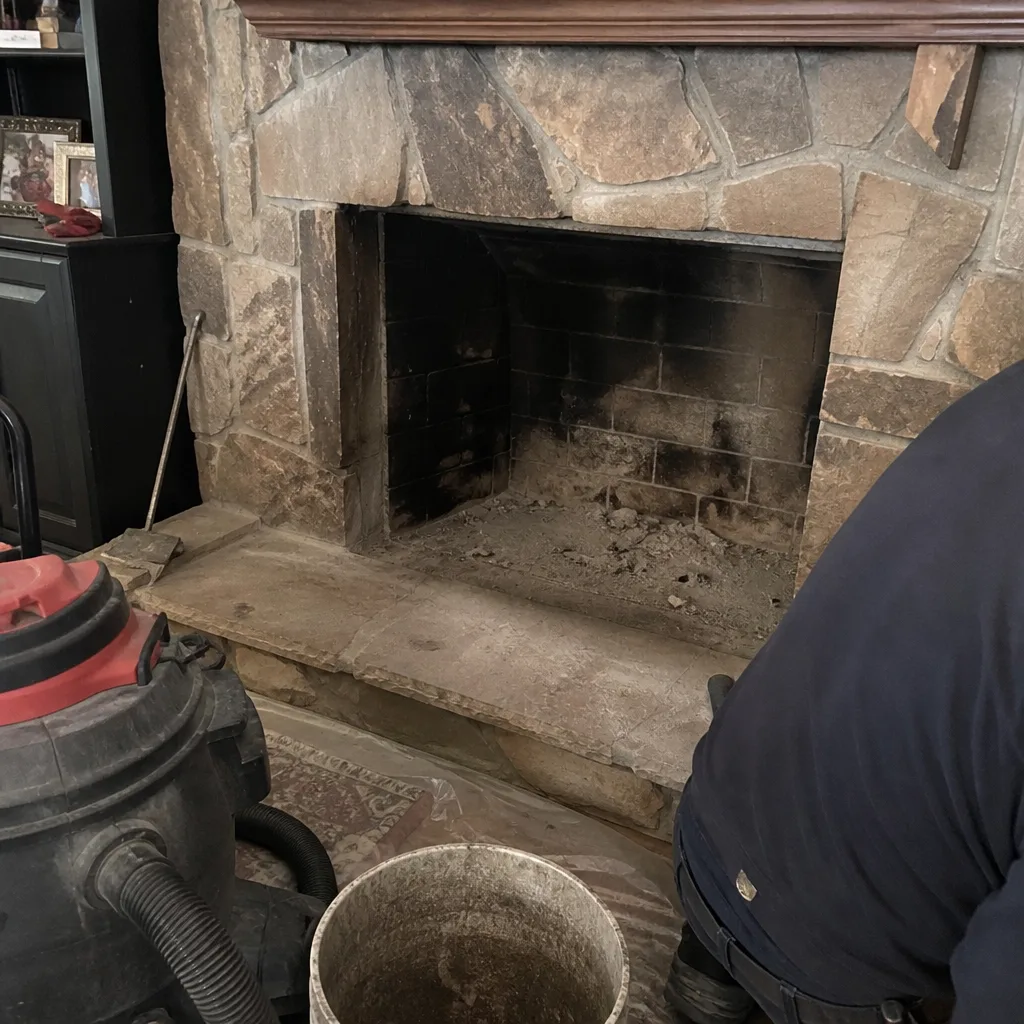 Before
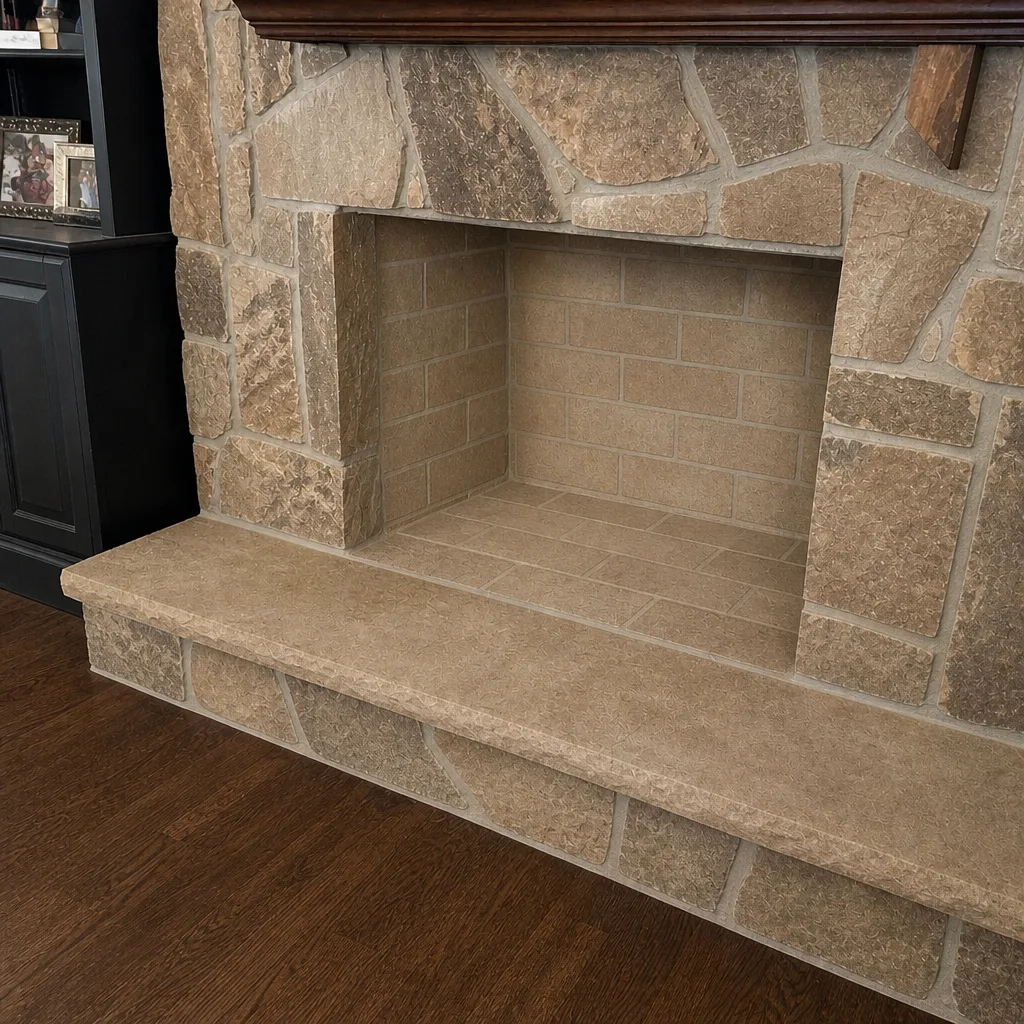 After
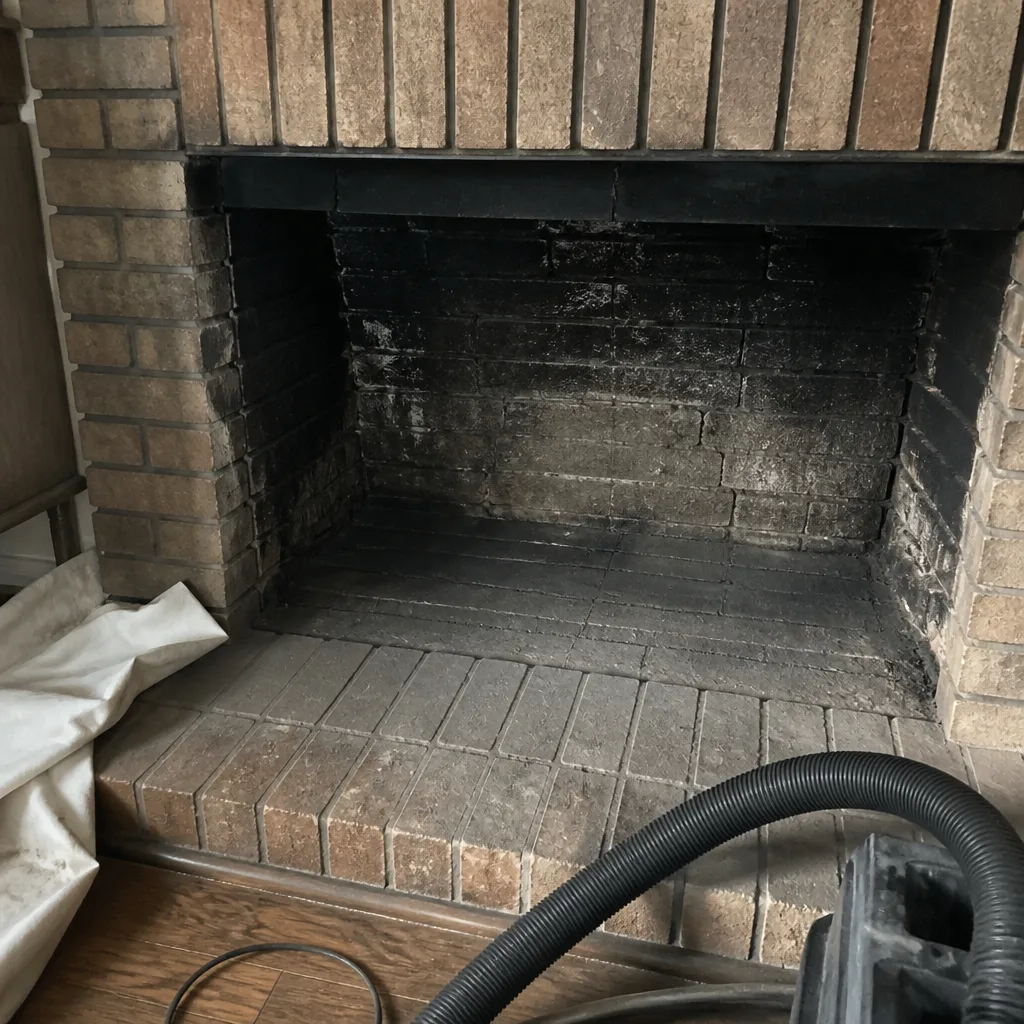 Before
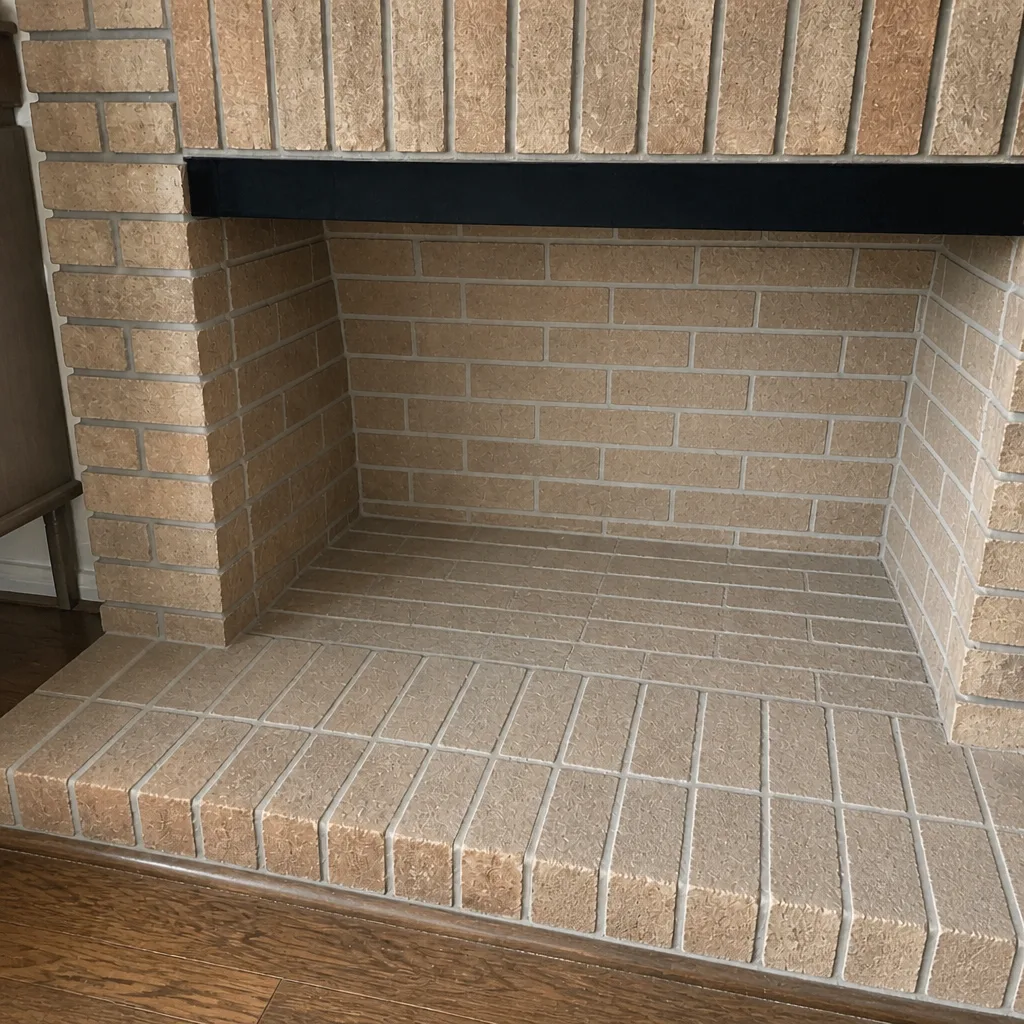 After
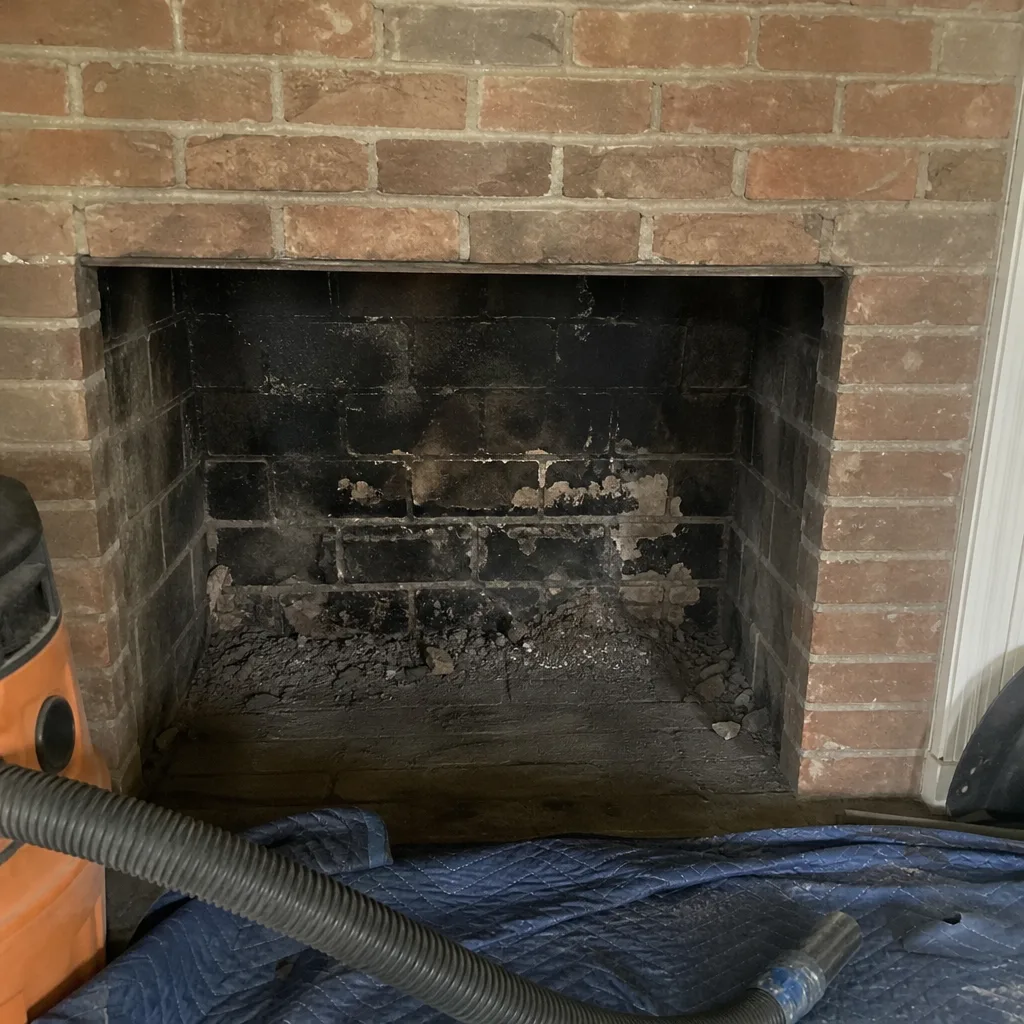 Before
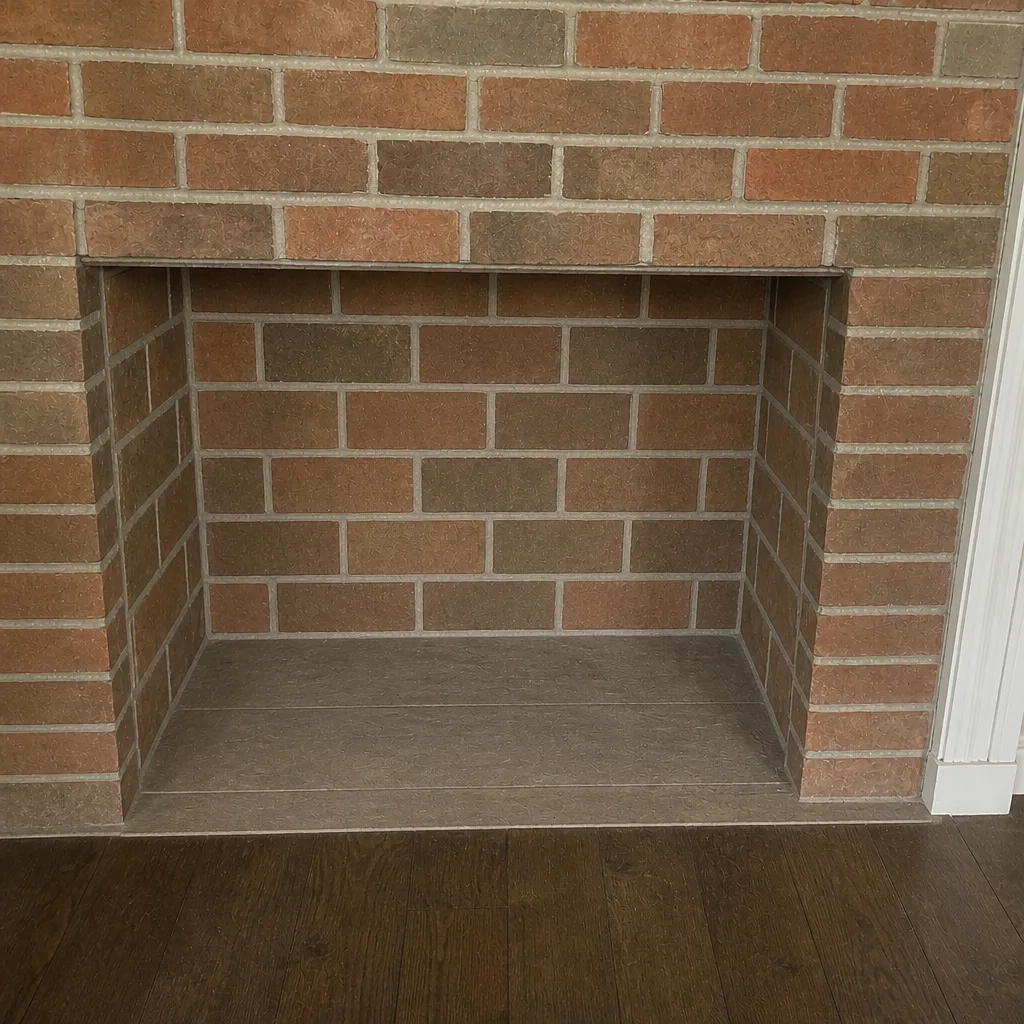 After
When to Call a Professional
Some chimney work is simply not a homeowner job, and it’s worth being direct about which. Anything that requires roof access on a steep pitch, anything involving the flue interior, and anything involving the cap, crown, or liner belongs to a trained professional. High work at height carries real injury risk, and creosote exposure is not something to take on casually. If you’re not already set up for roof work and you don’t have the tooling for flue cleaning, the safest and usually the most economical path is to hire it out.
The same goes for anything that looks like a repair. Cracks in the firebox, missing mortar, a damaged crown, a flue that hasn’t been inspected in years; those need eyes on them. If the chimney has been through a chimney fire, even a small one, don’t run it again until it’s been inspected with a camera. If you’re seeing signs of water in the firebox or on the chimney exterior, that’s a cap or crown conversation.
Madison Chimney Sweep Pros offers free estimates in Madison. Our technicians have up to 12 years of experience, and we work the full chimney system: inspection, sweep, fireplace repair, chimney repair, and cap and crown, with professional-grade product lines including DuraFlex, HeatShield, Gelco, and Copperfield. Call (855) 658-5258 to book an estimate.
Frequently Asked Questions
Typical chimney cleaning in Madison runs $150 to $200 for a basic sweep, $200 to $350 for a full cleaning with smoke chamber brushing and a condition report, and $250 to $500 or more for a Level 2 inspection with a video scan. The written estimate sets the final price. Call (855) 658-5258 for an exact quote; estimates are free.
The cheapest quote almost always covers a narrower scope: flue brushing only, no smoke chamber work, no camera, no written report. It’s not necessarily bad work; it’s a smaller job. The way to tell is to compare line items, not totals. Call (855) 658-5258 and we’ll walk through what each tier includes.
For a wood-burning fireplace in regular use, once a year is the standard, and the end of the burning season or just before it starts is a sensible time to book. Homes that burn heavily may need twice a year. Gas and oil appliances have their own schedules and should be inspected annually regardless. Call (855) 658-5258 to get on a schedule.
Creosote accumulates and hardens, and glazed deposits are a chimney fire risk. A cap or crown crack lets water into the chase, which slowly damages the brick, mortar, and liner. And carbon monoxide venting is tied to a clear, intact flue; a blocked or damaged flue is a real venting concern. None of that is meant to alarm, but it is the reason the annual cleaning matters. Call (855) 658-5258 for a current condition check.
You need a new liner when the existing one is cracked, separated, or no longer suitable for the appliance, and you should be able to see the evidence. We don’t recommend liner work without a camera scan you can review. If your flue is sound, we’ll say so. If a liner is warranted, we install DuraFlex systems rated for wood, gas, and oil, and the written estimate will specify exactly what’s being replaced. Call (855) 658-5258 for a camera inspection.
A basic sweep covers the flue and the firebox. A full cleaning adds the smoke chamber, the damper, the cap and crown from the roof, and a written condition report. The smoke chamber is the piece most often skipped by cheap quotes and the piece that matters most on a wood-burning chimney. Call (855) 658-5258 to book a full cleaning.
For a broader look at how the company handles the full system, start with Madison Chimney Sweep Pros.
The Bottom Line
The chimney cleaning you buy should match the chimney you have. A basic sweep on a well-maintained flue is money well spent. A basic sweep on a chimney with glazed creosote and a cracked crown is a cleaning that documents nothing and fixes nothing. The price difference between tiers is real, but so is the difference in what you get. Read the estimate line by line. Ask what’s included and what’s not. Ask for the report and the camera evidence. Those questions are the difference between paying for a service and paying toward the next repair.
If you’re in Madison and you want a straightforward estimate that itemizes the work, call (855) 658-5258. We answer 24/7. Fast dispatch from 7am to 7pm, Sunday through Friday, and we’re closed Saturday.
Written by the team at Madison Chimney Sweep Pros.