
Last updated November 24, 2026
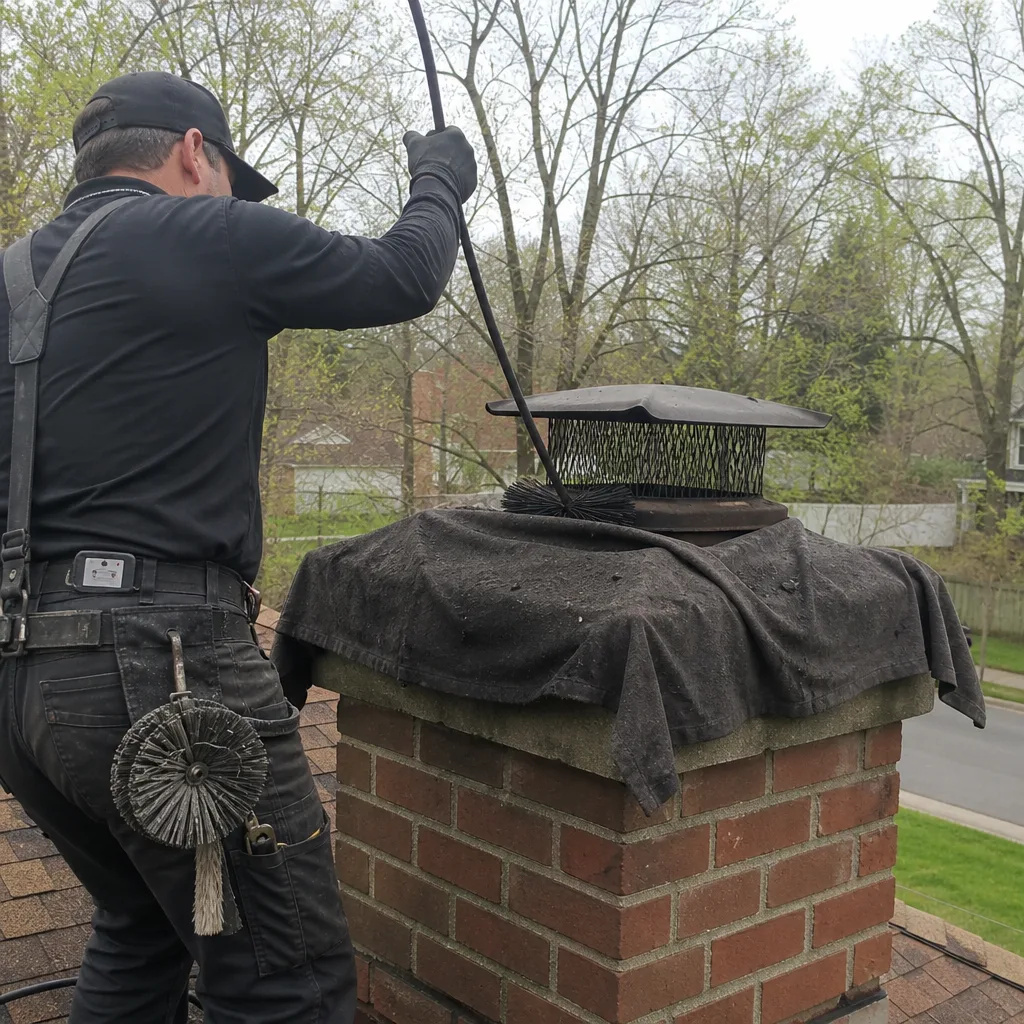
 Sweep & inspection
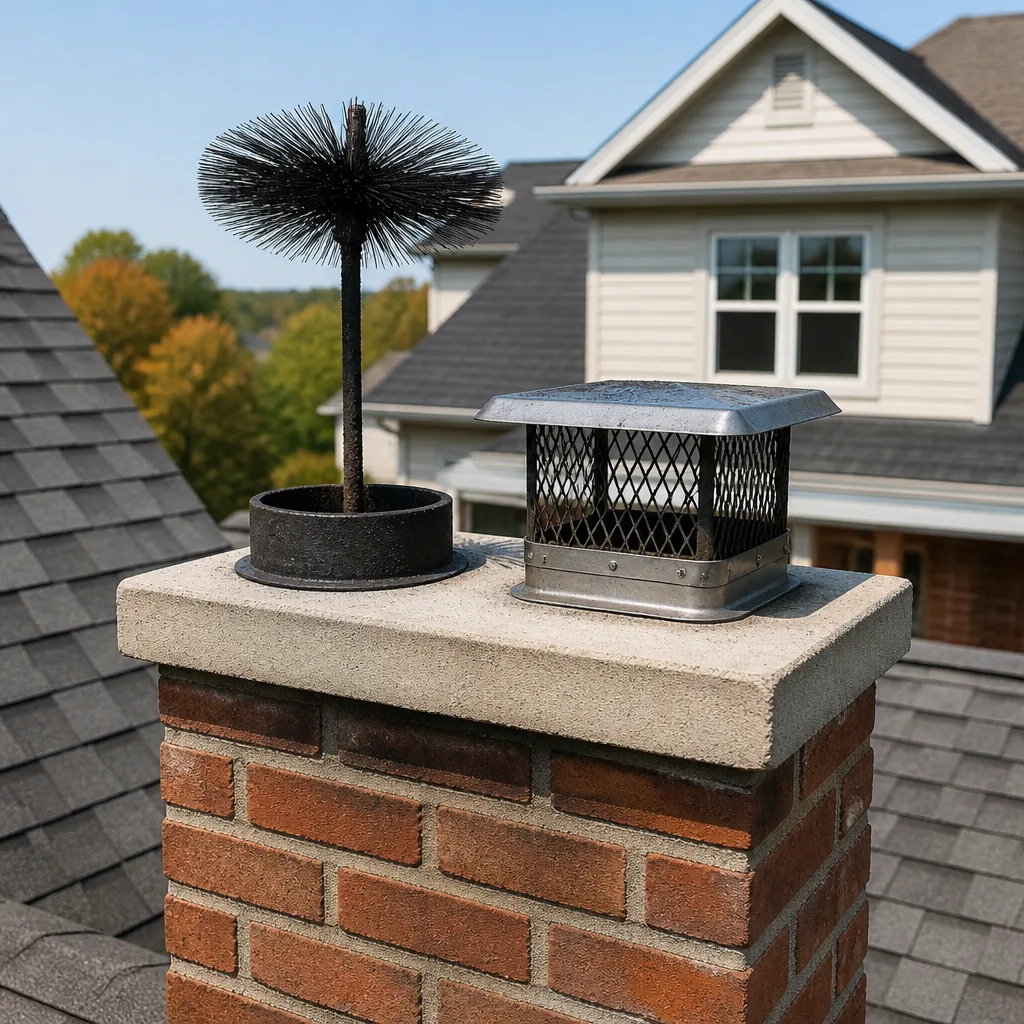
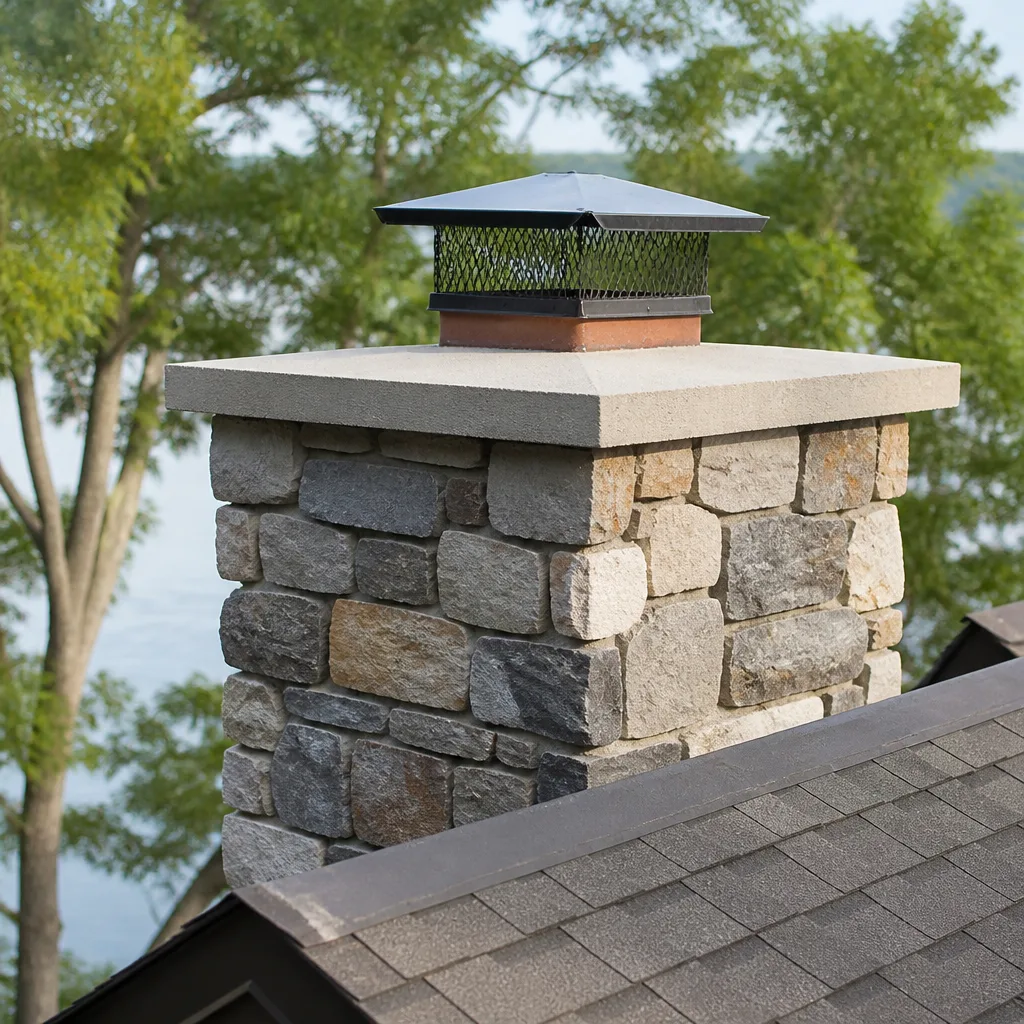 Caps & crowns
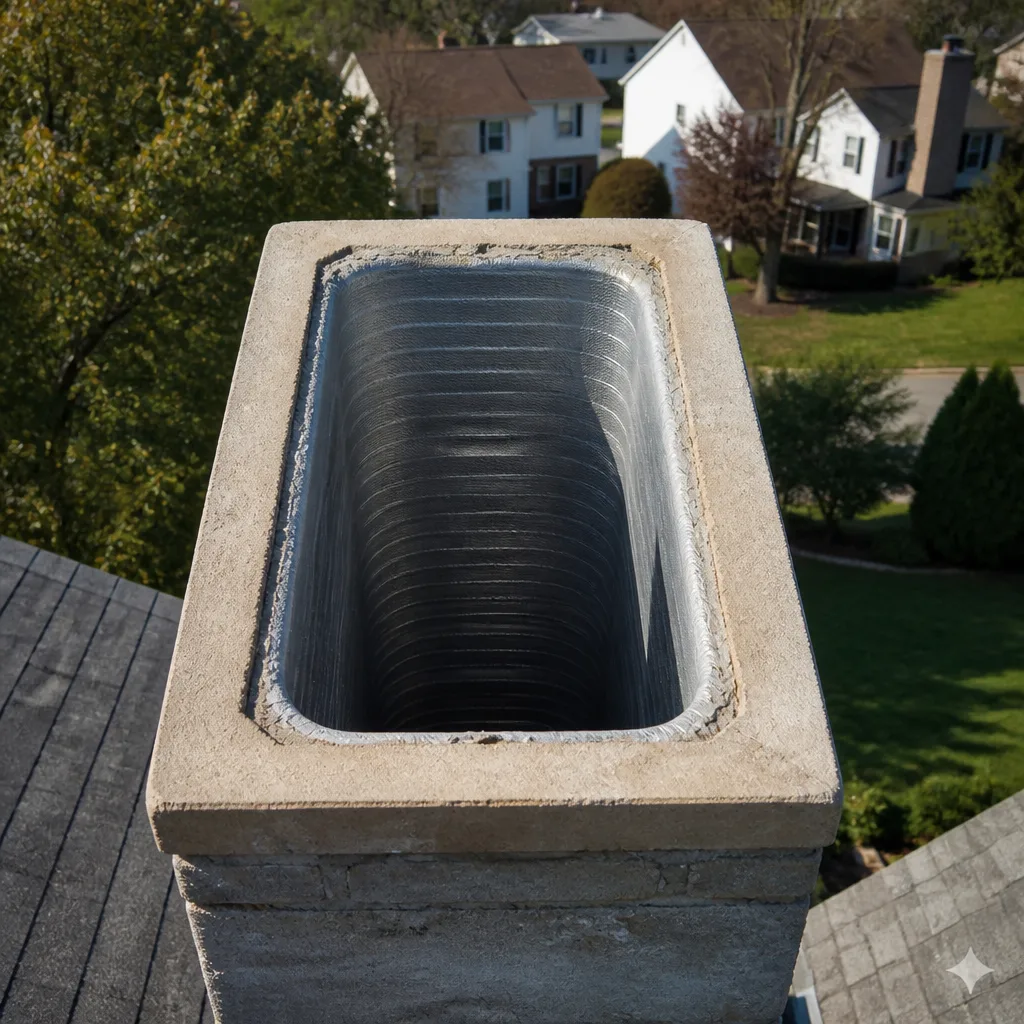 Flue relining
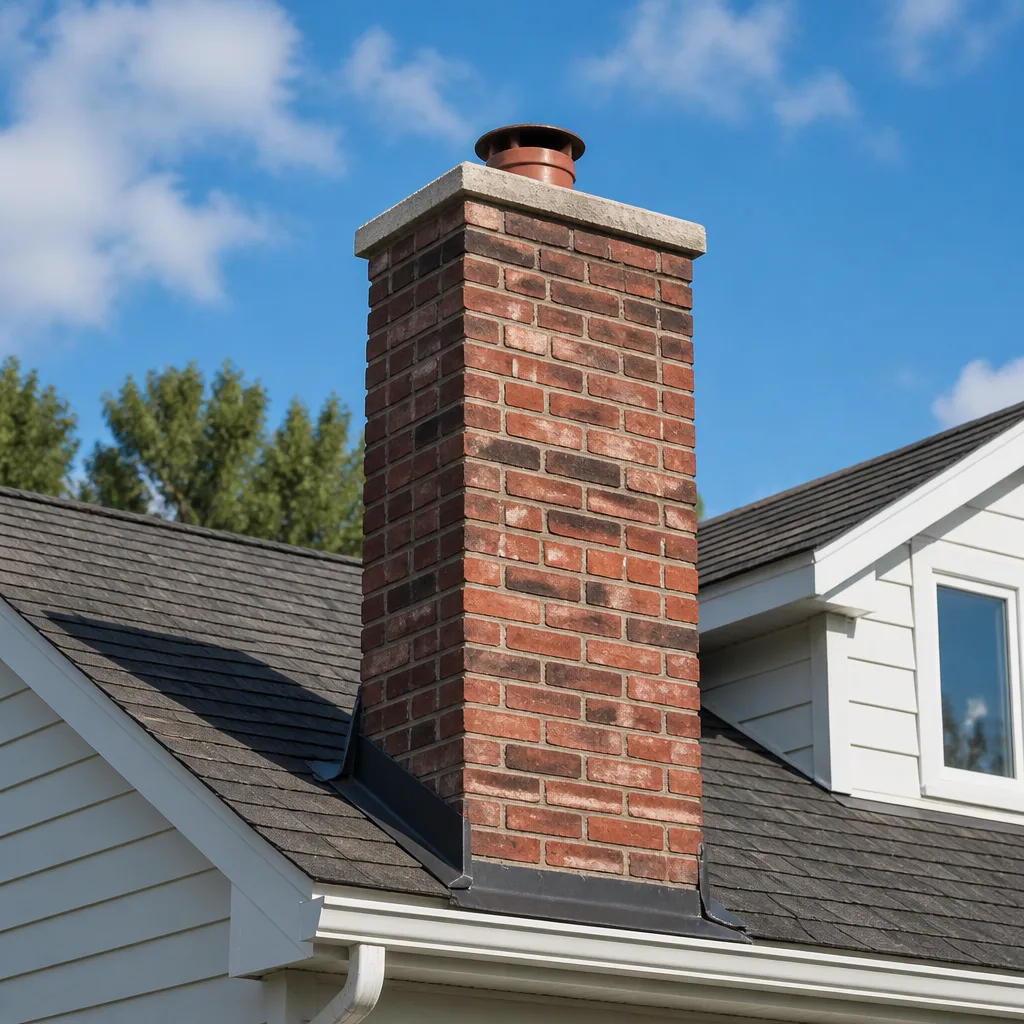 Masonry repair
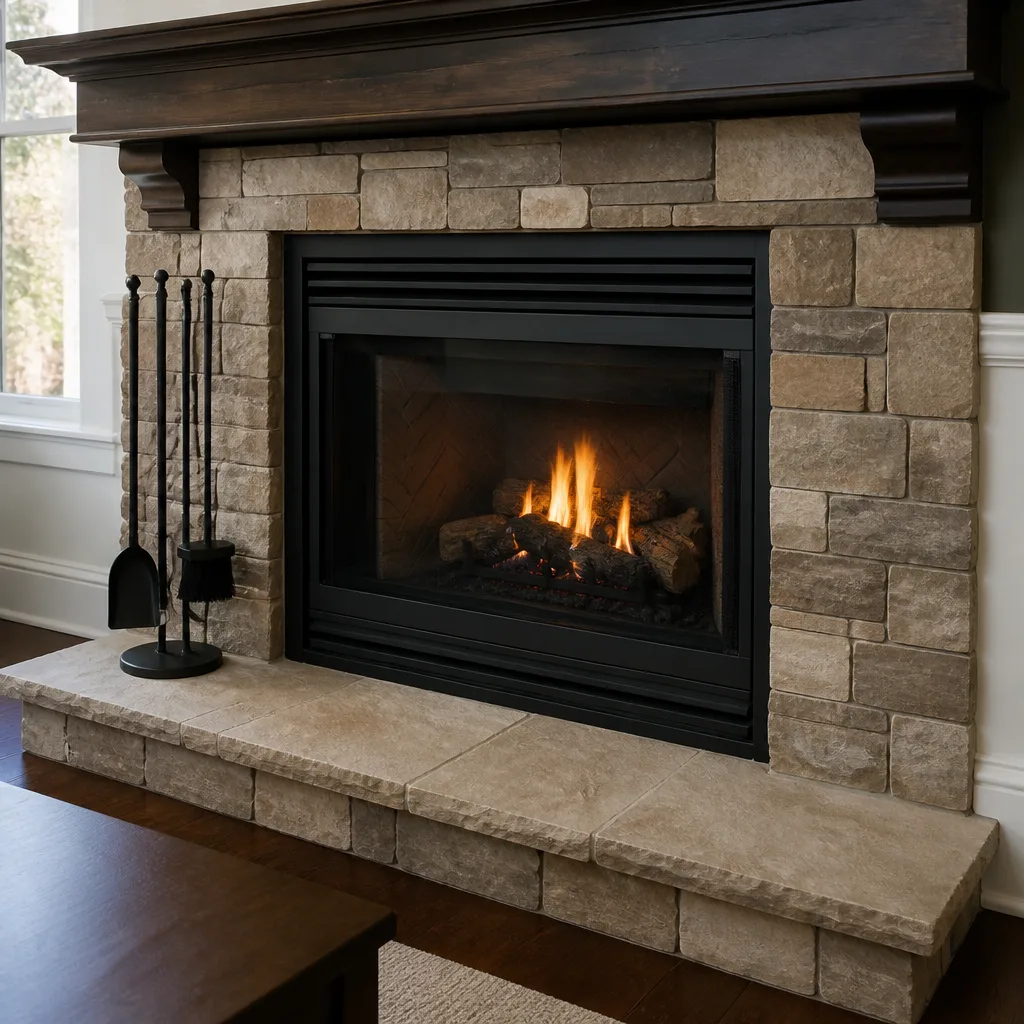 Gas fireplace service
Level 1 sweep and inspection to the NFPA 211 annual standard - flue, crown, cap, and flashing checked and photographed
Chimney sweep logs do not sweep chimneys. They loosen some creosote - which then falls where a brush and vacuum still have to collect it.
Chimney Cleaning Emergency Preparedness Guide for Madison Homes
A chimney fire doesn’t always announce itself with a roar. In our experience, plenty of homeowners describe it later as a low rumble, a vibration in the flue, or just “something odd” they couldn’t name, and they kept feeding the fire because nothing looked wrong. That gap between what a chimney emergency actually sounds and smells like and what people expect is where the danger lives. By the time flames are visible at the top, you’re already minutes behind. This guide covers what a real chimney emergency looks like in a Madison home, exactly what to do in the first five minutes, how carbon monoxide ties into the same risks, and how to build an emergency card your whole household can actually use.
Quick Answer
A chimney emergency is usually preceded by warning signs you can detect: a low rumble or vibrating flue, a hot-to-the-touch chimney exterior, dark smoke, or a strong creosote smell. If you suspect a chimney fire, get everyone out, call 911, and don’t use water on the fire from inside. In Madison, where clay-tile liners take a beating from our humid summers and cold snaps, an annual sweep and inspection is the single most effective way to interrupt a chimney emergency before it starts.
Styles & brands we work with
- Sweep & inspection
- Caps & crowns
- Flue relining
- Masonry repair
- Gas fireplace service
Table of Contents
- What does a chimney fire actually look and sound like?
- The first five minutes: a chimney fire response protocol
- Carbon monoxide risks specific to chimney systems
- How to position carbon monoxide detectors
- After a chimney fire: why “it survived” isn’t clearance to use it
- Structural emergencies: when a chimney starts to fail
- Building a chimney emergency card for your household
- Prevention: the calendar every Madison chimney owner should keep
What Does a Chimney Fire Actually Look and Sound Like?
Most chimney fires don’t burn the way a campfire does. A slow-burning chimney fire can smolder for hours, feeding on creosote buildup without ever producing the visible flames or roaring sound people expect. We’ve fielded more calls than we’d like from homeowners who noticed one odd symptom and dismissed it. Here are the specific signs to take seriously.
Sounds
- A low rumble, like a distant train or a plane overhead, coming from inside the flue itself
- A popping or crackling sound that doesn’t match how the fire is currently burning
- A sucking or whooshing noise as the chimney draft pulls suddenly harder than usual
Smells
- A sharp, hot creosote smell, distinct from the smoke you’d normally notice
- A burning-chemical odor that lingers after the fire is out
Smoke color
- Thick, dark smoke pouring from the chimney top even after the fire has settled
- Smoke that changes from thin gray to thick black in a short window, indicating fresh fuel igniting
Exterior heat signs
- Chimney masonry or siding that feels hot to the touch from outside
- Visible cracks opening in the masonry at the crown or around the flashing
- Discolored metal or siding directly adjacent to the chimney
Any one of these signals is worth stepping outside to look at the chimney top before you do anything else. If two or more line up, treat it as an active emergency and follow the protocol below. Our chimney sweep service exists specifically to keep these symptoms from ever becoming an emergency, since most chimney fires trace back to creosote buildup that a proper sweep removes.
The First Five Minutes: A Chimney Fire Response Protocol
What you do in the first five minutes matters more than almost anything else. Fire department response is quick, but a chimney fire can compromise a liner in the time it takes for a crew to arrive. The goal in those first minutes is to slow the fire, get people out, and set up the fire department for a clean response.
- Get everyone outside. Don’t move toward the fire to investigate. Get people and pets out the door, and take your phone with you.
- Call 911 from outside. State clearly that you suspect a chimney fire and give your address. The fire department would rather verify a false alarm than arrive after a wall has caught.
- Close the firebox doors and the damper. If you can reach these safely on the way out, closing them starves the fire of oxygen. Never reach over an active fire to do this. If the firebox is too hot or you’d have to reach near flames, skip it.
- Do not pour water on the fire from inside. Water on a creosote fire can flash to steam and throw burning material into the room. It can also crack a heated clay liner instantly.
- Watch from a safe distance. From the yard, look at the chimney top for sparks, then watch the exterior walls and flashing for heat or flames showing through. Tell the arriving fire crew what you saw and when.
That last step matters more than it sounds. Fire crews arriving at a Madison home want to know the timeline. Was the fire burning slowly for an hour, or did it flash up in the last five minutes? What color was the smoke? Did you hear the rumble or not? Give them the details. They’ll use it to judge whether the fire has spread into the framing.
Carbon Monoxide Risks Specific to Chimney Systems
Carbon monoxide is the chimney emergency you can’t see or hear. It’s a colorless, odorless gas produced by any fuel-burning appliance, and a properly functioning chimney vents it safely up and out. When the chimney stops doing its job, the gas comes back into the house instead.
Blocked flues
A flue can be blocked by creosote, a collapsed liner tile, an animal nest, or debris from a nearby tree. Partial blockages can still vent most exhaust while leaking enough back-draft into the living space to matter. A house that “burned fine last winter” isn’t evidence the flue is clear right now.
Cracked liners
Clay liner tiles crack from thermal shock, and the cracks can be small enough to miss in a quick look. A single cracked tile creates a path for carbon monoxide to seep into the wall cavity or adjacent framing rather than up the flue. This is one of the reasons we specify professional-grade liner products like DuraFlex when a reline is called for: the replacement liner is a continuous system rather than a series of tiles, so there’s no joint at the weak point.
Downdraft events
Downdrafts happen when the chimney draft reverses and pushes smoke and CO back into the room. Cold-starting a fire in a very cold flue, an oversized flue on a small firebox, or a house with strong exhaust fans running can all tip a marginal draft backward. The warning sign is usually smoke spilling from the fireplace, but CO can move with it without being seen.
The symptoms of low-level CO exposure – headaches, dizziness, fatigue, nausea – are easy to mistake for a cold or a long day. If multiple people in the home feel unwell in the same window and clear up when they leave the house, treat that as a signal to shut the appliance down and get the chimney inspected. Our Madison Chimney Sweep Pros team handles this inspection as part of a normal sweep call.
How to Position Carbon Monoxide Detectors
Detector placement is one of the most consistently under-tuned pieces of home safety we see in Madison homes. A detector in the wrong place will still trigger, but it may trigger late, or it may miss a localized pocket of CO entirely.
- One on every level. A detector in the basement doesn’t help someone asleep on the second floor.
- Outside each sleeping area, in the hallway near bedroom doors, not inside the bedroom where a closed door can slow detection.
- Ceiling or high on the wall, because CO mixes with air and tends to be close to warm-air stratification.
- Not directly above the fireplace. Placement too close to the firebox will trigger nuisance alarms from the small amounts of CO every fire produces at start-up.
- Not in the garage or next to a gas appliance, where normal start-up exhaust can trip it repeatedly.
- Ten feet from any gas range or cooktop, where cooking exhaust will produce false alarms.
Buy the type with a digital readout if you can. A number tells you immediately whether a low-level reading is real and rising or a pass-through from a cooking event. That difference saves a lot of middle-of-the-night panic. Test all detectors once a month and replace the batteries at the same time you swap smoke alarm batteries, so the routine is one motion.
After a Chimney Fire: Why “It Survived” Isn’t Clearance to Use It
A chimney that held together through a fire is not the same as a chimney that’s safe to use. The damage from a chimney fire often hides behind an intact-looking exterior. Creosote fires burn hot enough to crack clay tile liners, warp metal liners, and separate mortar joints deep in the masonry where no one can see them from the firebox.
After any suspected chimney fire, the chimney needs a full inspection before it’s used again. That inspection looks at specific things:
- The full flue length, top to firebox. A camera run shows the condition of every tile and every joint.
- Liner integrity. Cracks, spalling, gaps at the tile joints, and any sign the liner shifted.
- Crown and cap condition. A fire often blows the cap loose or cracks the crown from heat.
- Mortar joints inside the firebox and smoke chamber. These take direct heat and often show the first damage.
- The framing near the chimney. Where the chimney passes near wood framing, the inspection checks for charring or heat damage.
What we typically find after a fire in older Madison homes is a liner with cracks at multiple joints and one or two tiles that need full replacement. HeatShield resurfacing is often the right call when the liner is structurally sound but has surface deterioration, because it rebuilds the flue interior with a cast-in-place liner restoration rather than a full rebuild. When the liner has already failed structurally, a DuraFlex reline is usually the safer path. Either way, the diagnosis comes from the inspection, not from guessing at what the fire probably did.
Structural Emergencies: When a Chimney Starts to Fail
Not every chimney emergency is a fire. A chimney that’s leaning, has separated from the house, or has visible coursing gaps is in the middle of a slow structural emergency, and it will eventually decide the timeline for you. On older Madison-area homes with exterior masonry chimneys, moisture intrusion through the crown and cap is the leading cause of that decline. Water finds its way into the brick, freezes during a cold snap, expands, and pries the masonry apart a little more each winter.
The warning signs of structural chimney trouble:
- A visible lean when you look up the chimney face from the ground
- A gap opening between the chimney and the siding or roof flashing
- White, powdery staining on the masonry (efflorescence) that keeps returning after you clean it
- Crumbling mortar joints, especially near the crown
- Pieces of tile or masonry in the firebox after a fire
None of these require an emergency call in the sense of “get out of the house.” They do require getting someone out to look before the next freeze. A chimney cap & crown replacement early is what prevents the masonry failure later. Once water has been working at the same chimney for several seasons, the repair scope usually grows from a crown rebuild into a full masonry repair.
Building a Chimney Emergency Card for Your Household
Under stress, no one remembers a phone number or a shut-off location. The fix is a single card, posted where everyone sees it, that puts everything you’d need during a chimney emergency in one place. Here’s what goes on it.
- Fire department number. 911 for everyone, plus the non-emergency line for your local department if you have a question but no active fire.
- Chimney service contact. Our line is (855) 658-5258. We answer 24/7, and a call that comes in outside dispatch hours is booked into the next opening, Sunday through Friday, 7am to 7pm.
- Gas and electric shut-offs. Note where the gas meter valve and the main breaker are. If a chimney fire spreads into the framing, shutting both off early limits the spread.
- Last inspection date and findings. Write down the last time the chimney was inspected and what was noted. If you had a liner condition flagged as “watch,” that goes on the card. Emergency crews and your insurance ask about this.
- Fireplace and appliance list. Note whether you have a wood-burning fireplace, a gas insert, a wood stove, or an oil furnace venting into the same chimney. Each has different emergency behavior.
- Detector locations and test dates. Which detectors are in which rooms, and when they were last tested. A quick read on the card tells you which detector should have caught a CO event.
- Contractor and insurance contacts. Your homeowner’s insurance claim line belongs on the card too, since a chimney fire claim is easier to file if you have the number ready in the first hour.
Post a copy in the kitchen and one in the basement near the shut-off valves. Laminate it or slide it into a sheet protector if the location is damp. Update it every time you have the chimney inspected, and it becomes a running record rather than a static list. Our fireplace repair team is often the one who fills in the fireplace-specific line, and the inspection notes from each visit keep the card current.
Prevention: The Calendar Every Madison Chimney Owner Should Keep
Every chimney emergency this guide covers traces back to a condition that existed for weeks or months beforehand. Prevention is a calendar you follow, not a decision you make once. Here’s the annual rhythm we recommend for a Madison home.
- Late summer or early fall: get the sweep and inspection done before the first fire. Booking before the cooling season means your chimney is clean before creosote has had a summer to glaze over.
- Before the first fire each year: test every smoke and CO detector, replace batteries, and confirm the card is still accurate.
- Mid-season: take a look at the chimney top from the ground after any cold snap or freeze. A new crack or spalled brick shows up within a few weeks of a hard freeze in our climate.
- End of season: after your last fire of the year, get a chimney inspection if it’s been more than a year since the last one. This is the point where small crown cracks and minor liner issues are cheap to fix.
Creosote is the fuel that makes chimney fires as hot as they are. Glazed creosote, the hardest form, is what forms when a fire burns too cool and too smoky for too long. A properly swept chimney has no glazed creosote because the buildup never gets a full season to develop. That’s why the sweep interval matters more than any other single habit. We work with professional-grade materials throughout – DuraFlex liners, HeatShield resurfacing, Olympia Chimney caps – because the repair materials after a near-miss should last the life of the chimney, not until the next near-miss.
Common Mistakes to Avoid
- Assuming a quiet chimney fire is “just a lot of creosote burning off.” That rumble you heard is the sound of the fire consuming the fuel inside the flue. If you hear it while the fire is going, shut the damper and get out, then call for an assessment.
- Using a chimney the day after a suspected fire without an inspection. A chimney can look intact from the firebox and have a fully cracked liner ten feet up. The inspection is the only way to know.
- Placing the CO detector directly above the fireplace. In Madison homes with wood fireplaces, this placement produces almost constant false alarms, and people end up ignoring the detector. Move it at least to the hallway outside the room.
- Waiting until the masonry shows visible damage before addressing water intrusion. The white efflorescence staining that shows up on exterior chimneys is the first sign, not the last. A crown or cap replacement at that stage is a modest repair.
- Skipping the sweep because “we don’t burn that much.” Even a handful of fires per season builds creosote. A cool, smoldering fire produces more of it, not less, and it’s the smoldering type that sets up the chimney fire.
- Burning wet or unseasoned wood because it was cheaper. Wet wood produces more creosote per fire than dry wood. What you saved on the cord gets spent on a sweep or a liner.
- Calling a chimney sweep service for a fire that has already spread. The fire department is the first call, not the chimney company. Get out, call 911, and call us after the fire is out for the inspection and repair that follows.
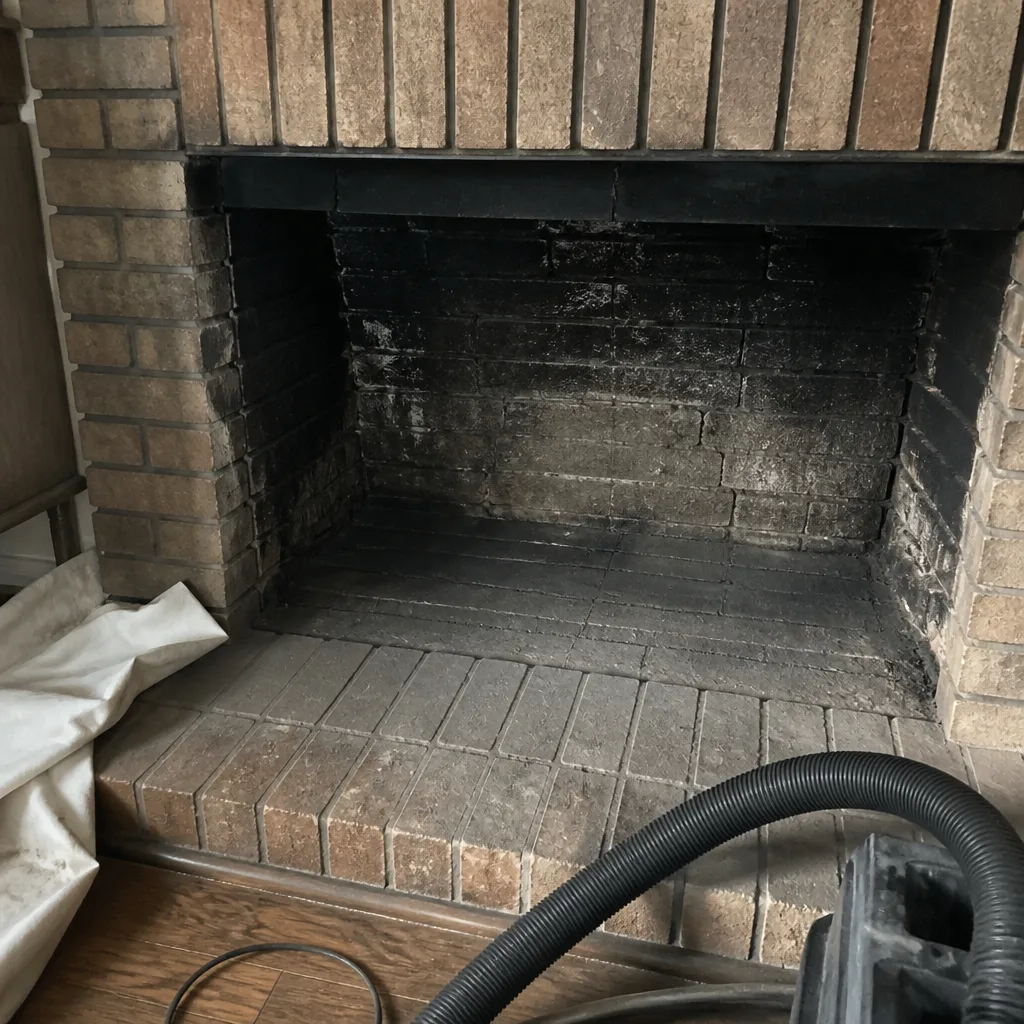
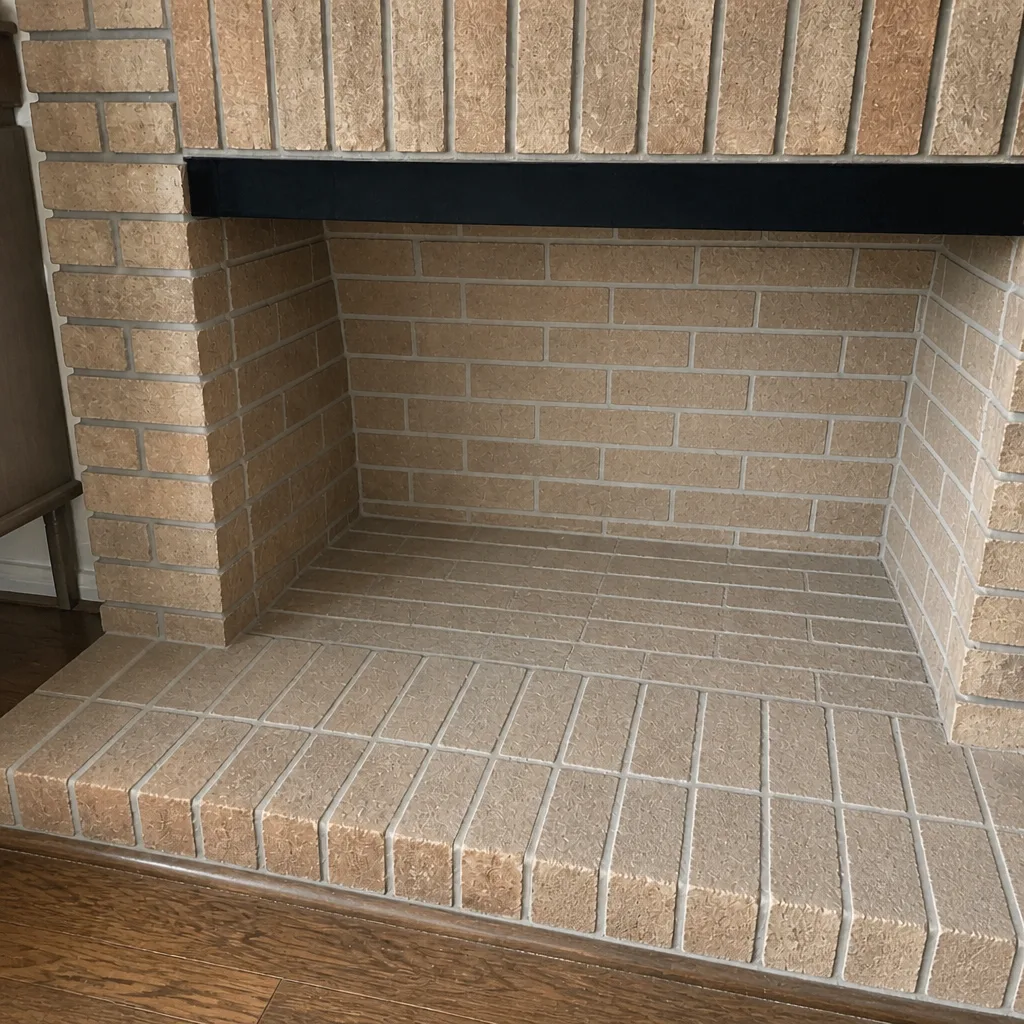
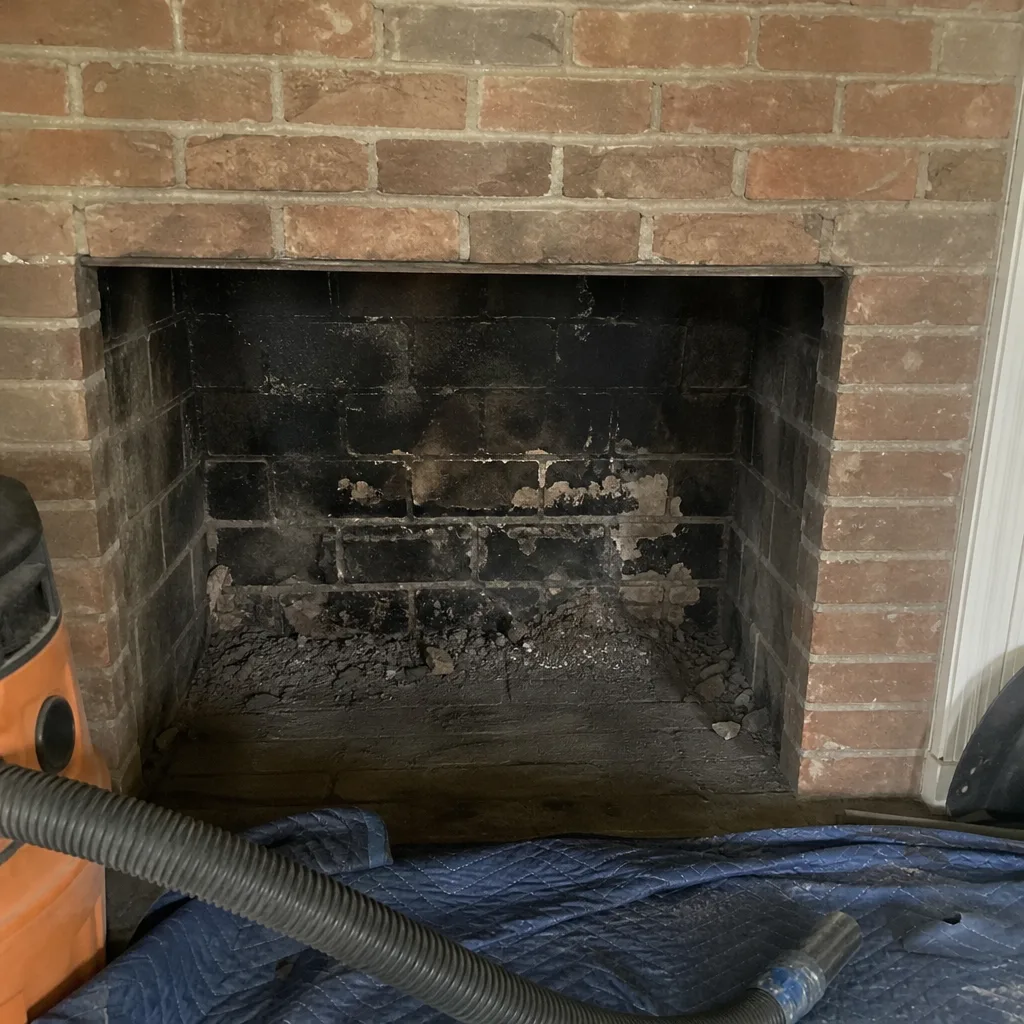
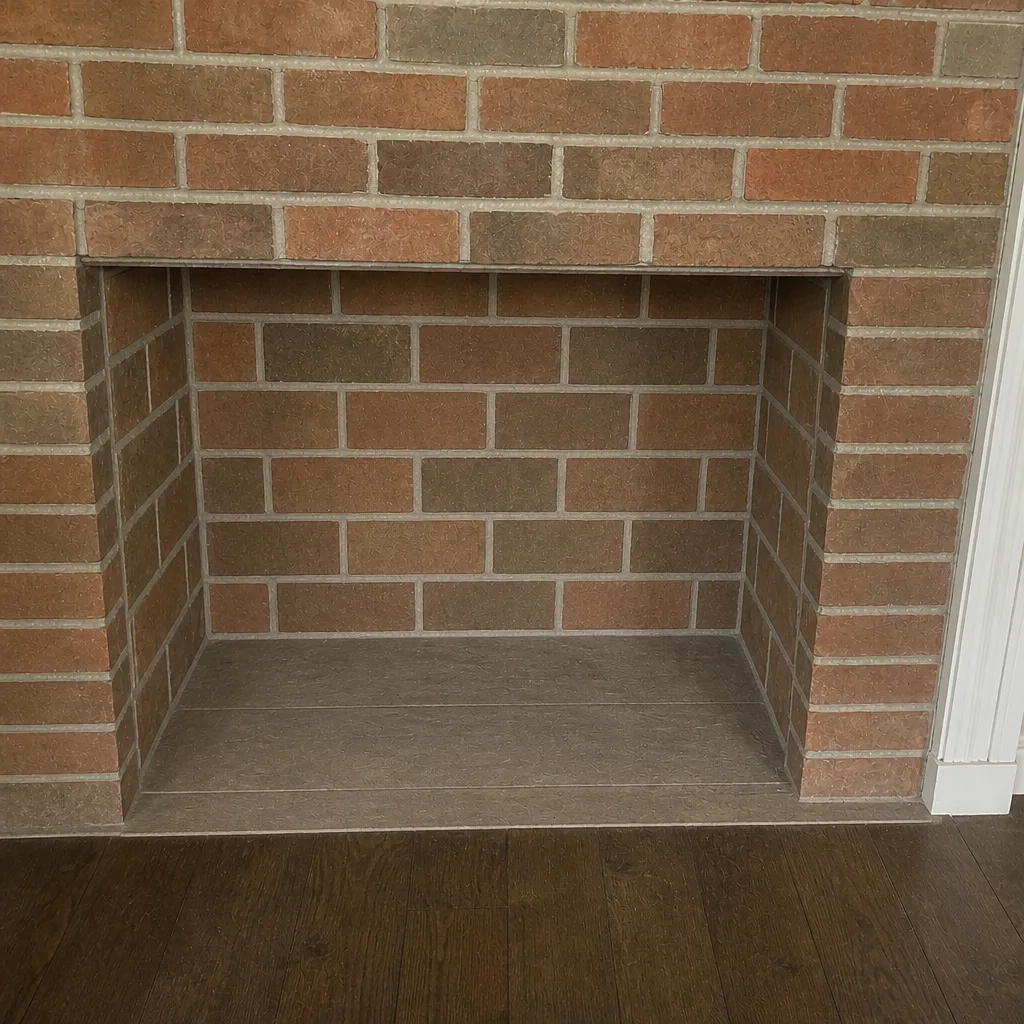
See the difference
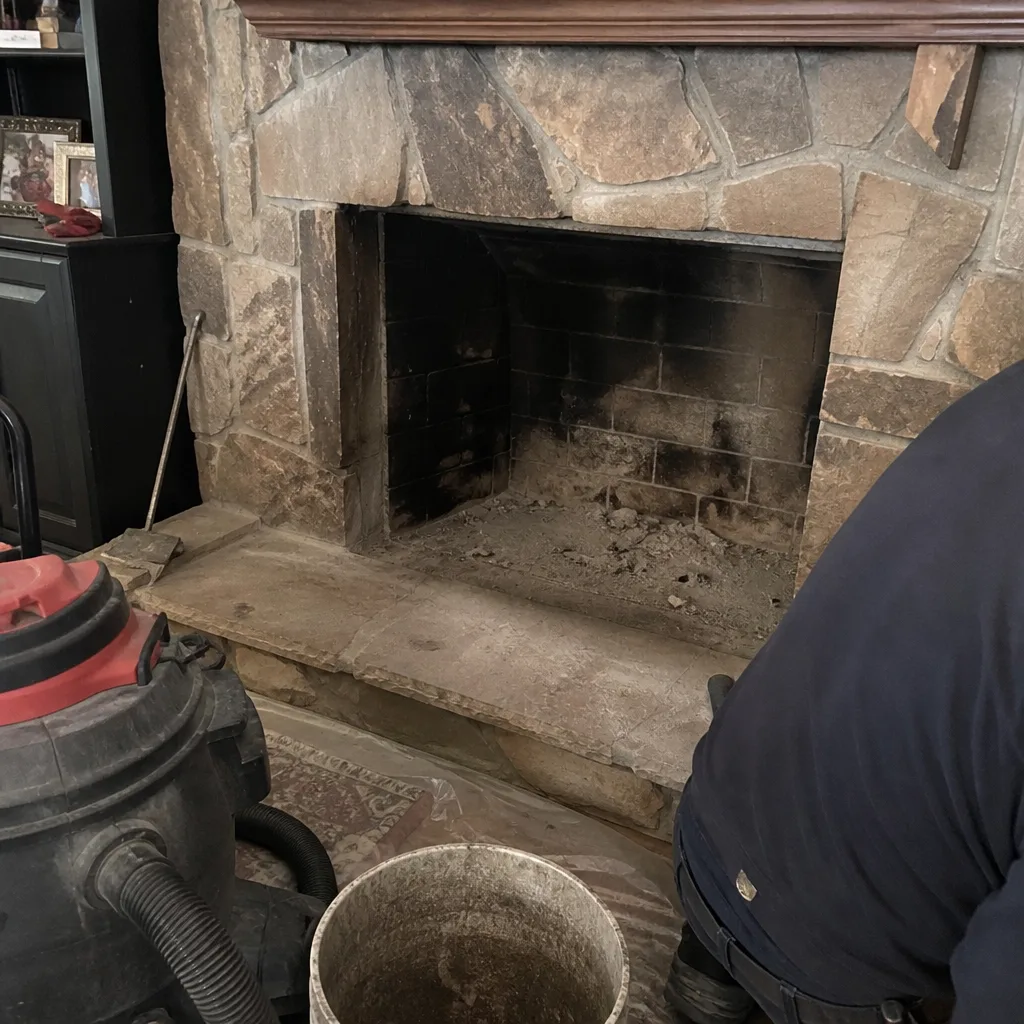 Before
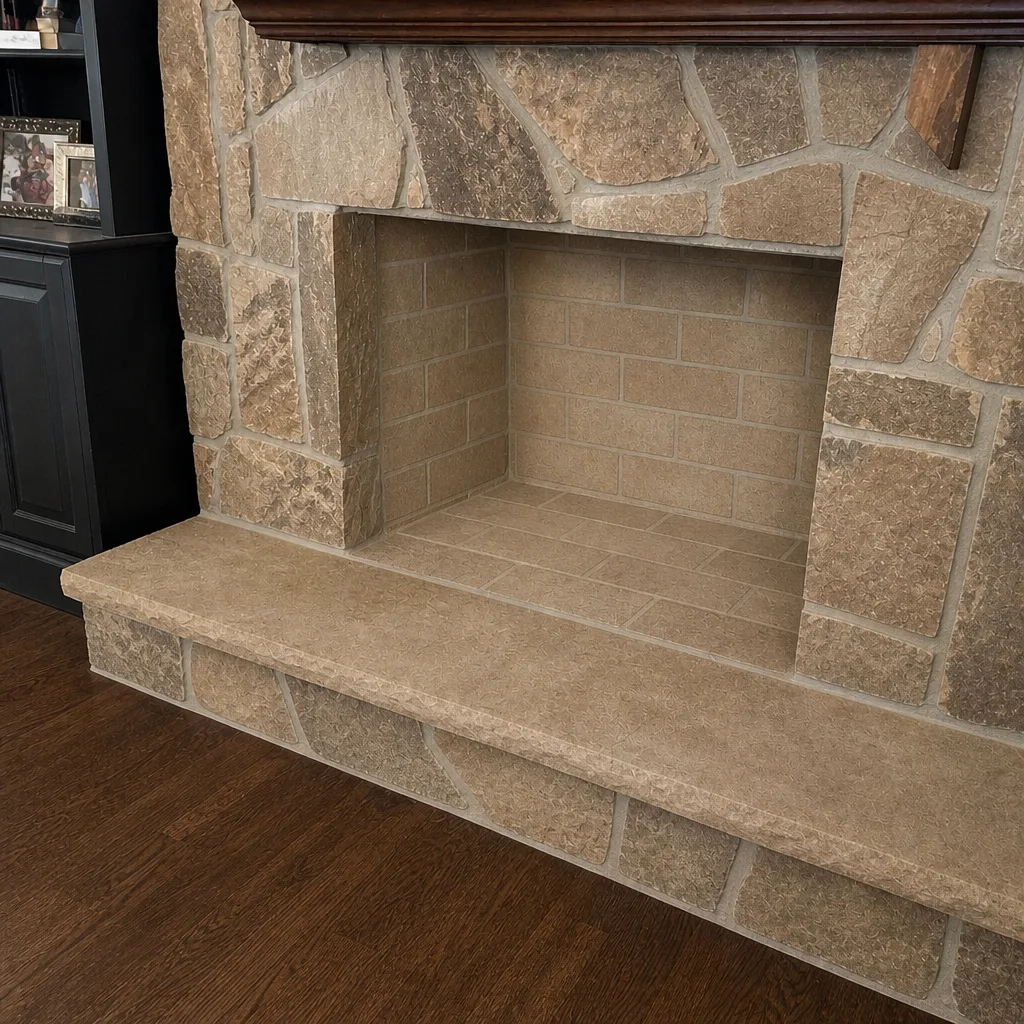 After
 Before
 After
 Before
 After
When to Call a Professional
Some chimney work is a routine appointment. Some is not. Call us right away if you’ve heard any of the sounds described above, if the chimney exterior felt hot, if you’ve found masonry or tile fragments in the firebox, or if multiple people in the house have been feeling unwell after using the fireplace. Those situations need a full inspection with camera run, not a phone consultation. Call us for scheduling if it’s been more than a year since your last sweep, if you’re buying a Madison home and don’t have a chimney inspection on the record, or if water staining or a crack in the crown has appeared on the chimney exterior. Our technicians have up to 12 years of experience and handle everything from a standard sweep to HeatShield resurfacing and DuraFlex liner work. Madison Chimney Sweep Pros offers free estimates in Madison – call (855) 658-5258. We answer 24/7, with fast dispatch from 7am to 7pm, Sunday through Friday.
Frequently Asked Questions
Look for these specific signs: a low rumble or popping sound from the flue during the fire, dark smoke pouring from the chimney top after the fire settled, a hot exterior, and creosote flakes or “honeycombed” puffy deposits found in the firebox afterward. Puffy, cracked creosote is the fingerprint of a fire that burned inside the flue. If any of these are present, get an inspection before next use. Call (855) 658-5258 for an assessment – estimates are free.
The fire department, always. A suspected chimney fire is a fire emergency, and the fire crew can confirm whether the fire has spread into the framing. The chimney company comes after, for the inspection and the repair. Never wait for a chimney company to arrive before calling 911.
Once a year for most homes, more often if you burn heavily or burn wood that isn’t fully seasoned. Our climate swings between humid summers and cold winters, and that cycle is hard on a clay liner. An annual sweep catches liner problems while they’re still repairable with resurfacing or a reline instead of a full rebuild.
Yes. The damage from a chimney fire is usually inside the flue and behind the masonry, where a visual check from the firebox won’t reach. A full inspection with a camera run looks at every joint and every tile. We report what we find with photos so you can see it alongside the technician. Call (855) 658-5258 to book one.
Yes. A cracked liner or a partial flue blockage can leak CO into the living space with no visible smoke. That’s why CO detectors on every level, outside sleeping areas, are non-negotiable. If the detector triggers and you’ve been running the fireplace, shut the appliance down, ventilate the home, and get the chimney inspected before the next fire.
The fire department number, the chimney service number (ours is (855) 658-5258), gas and electric shut-off locations, last inspection date and findings, appliance list, detector locations, and the insurance claim line. Keep it current and post a copy where everyone can see it. A live emergency is the worst time to be searching for a phone number.
The Bottom Line
Chimney fires, carbon monoxide events, and structural chimney failures don’t appear without warning. They telegraph themselves in a rumble you can hear, a smell that doesn’t match a normal fire, a hot wall, a white stain on the brick, or a detector that’s sitting in the wrong place. Every item in this guide is about catching those signals early, when the fix is a sweep or a targeted repair, not a fire department response. Build the emergency card. Test the detectors. Get the chimney swept before the first fire of the season. If you’ve had a scare in Madison, get it inspected before the next one. Our technicians have up to 12 years of experience and cover the full chimney system from crown to firebox.
Contact
If you’ve heard something in the flue, seen something on the chimney exterior, or just realized it’s been a while since the last inspection, call Madison Chimney Sweep Pros at (855) 658-5258 for a free estimate. We answer 24/7, with fast dispatch from 7am to 7pm, Sunday through Friday. One call covers sweep, inspection, fireplace repair, chimney repair, and cap and crown, so you’re not juggling separate contractors to close out the same problem.
Written by the team at Madison Chimney Sweep Pros.