
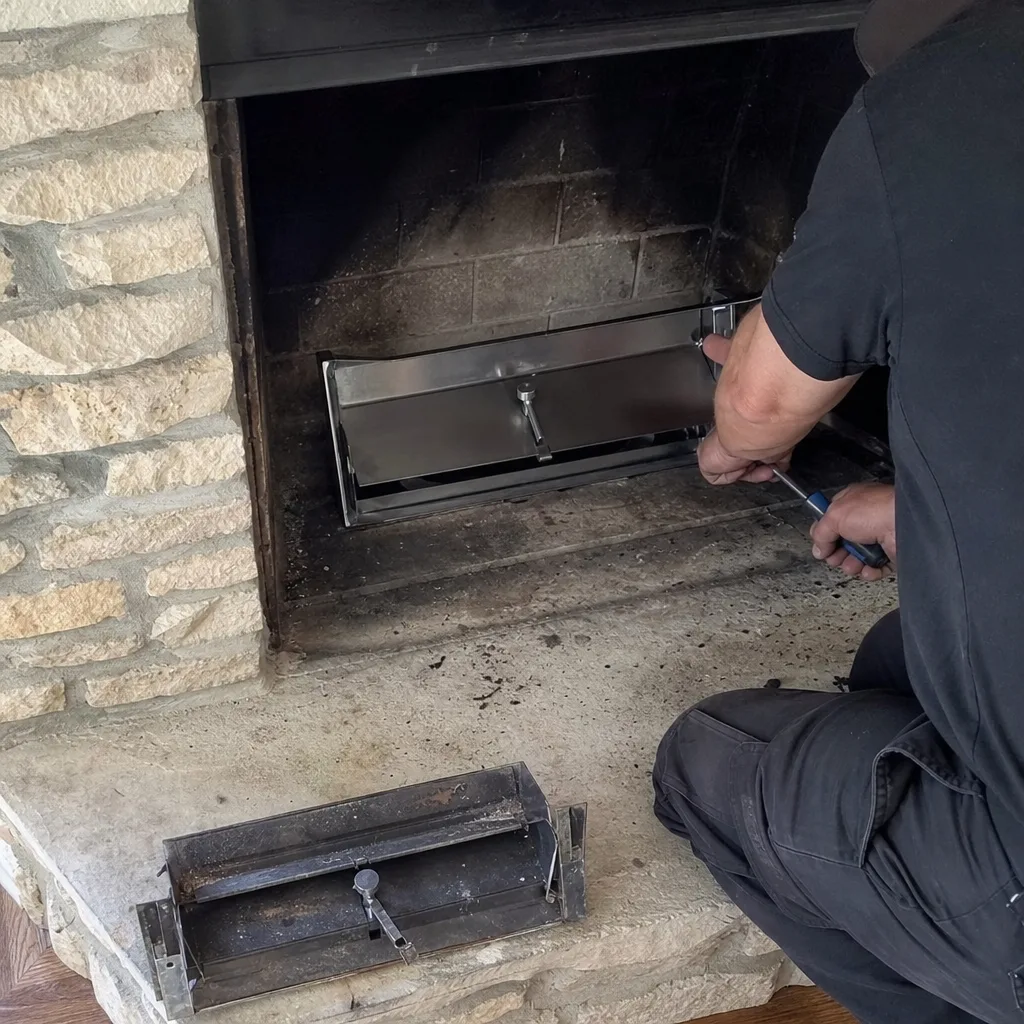
Last updated November 24, 2026
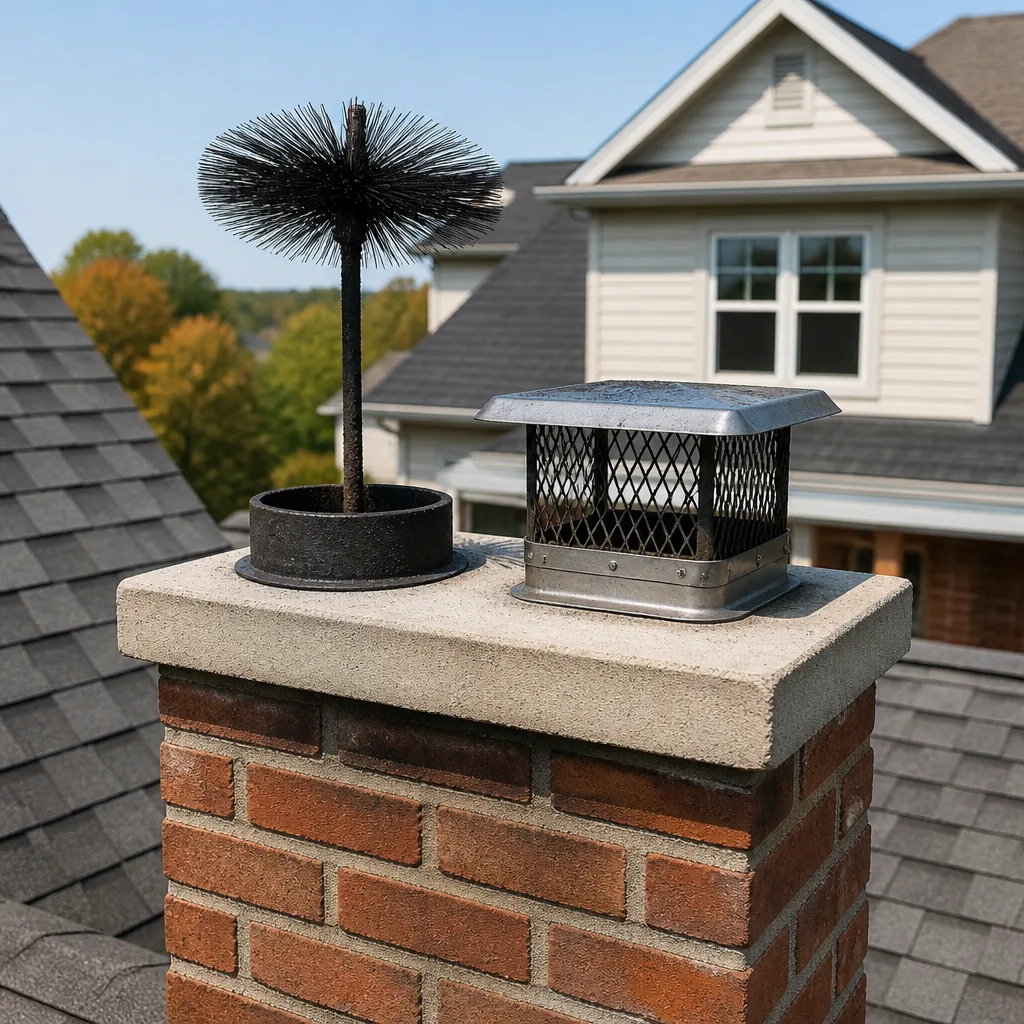 Sweep & inspection
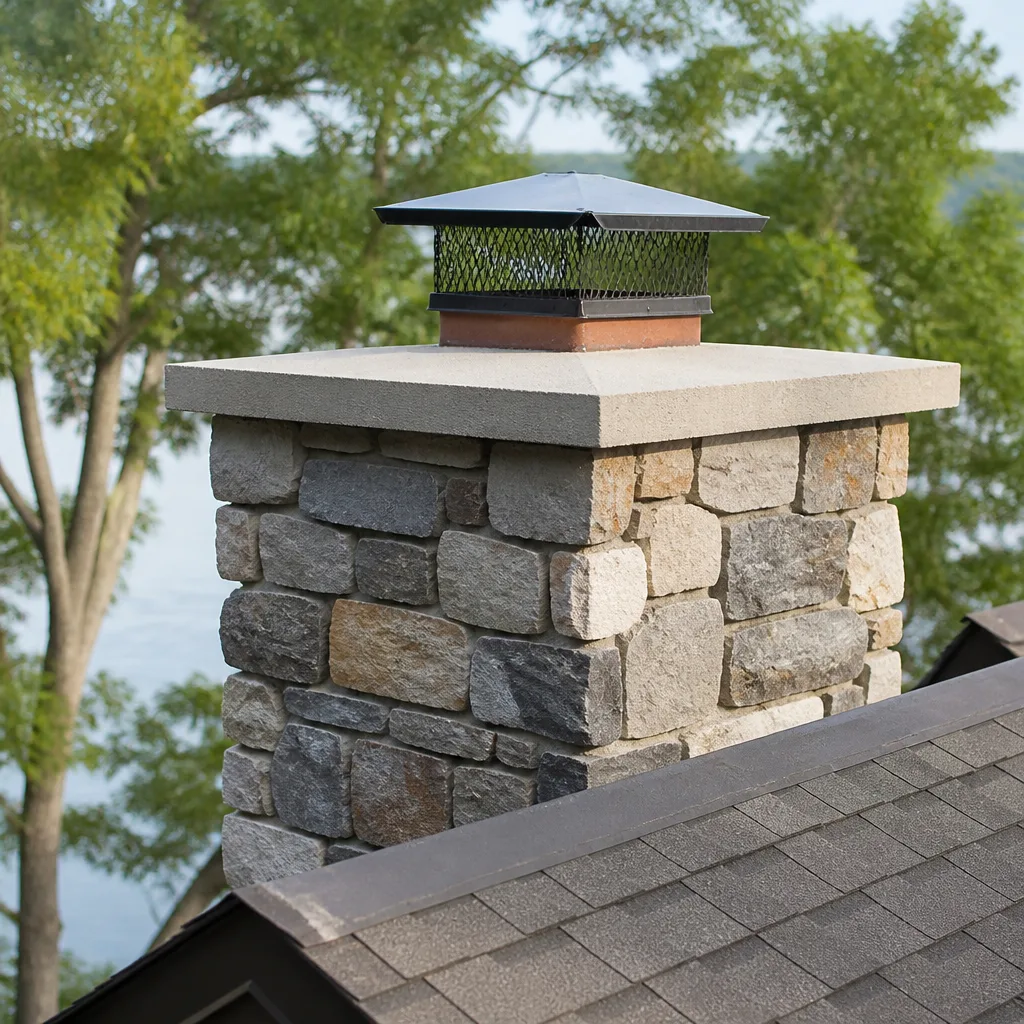 Caps & crowns
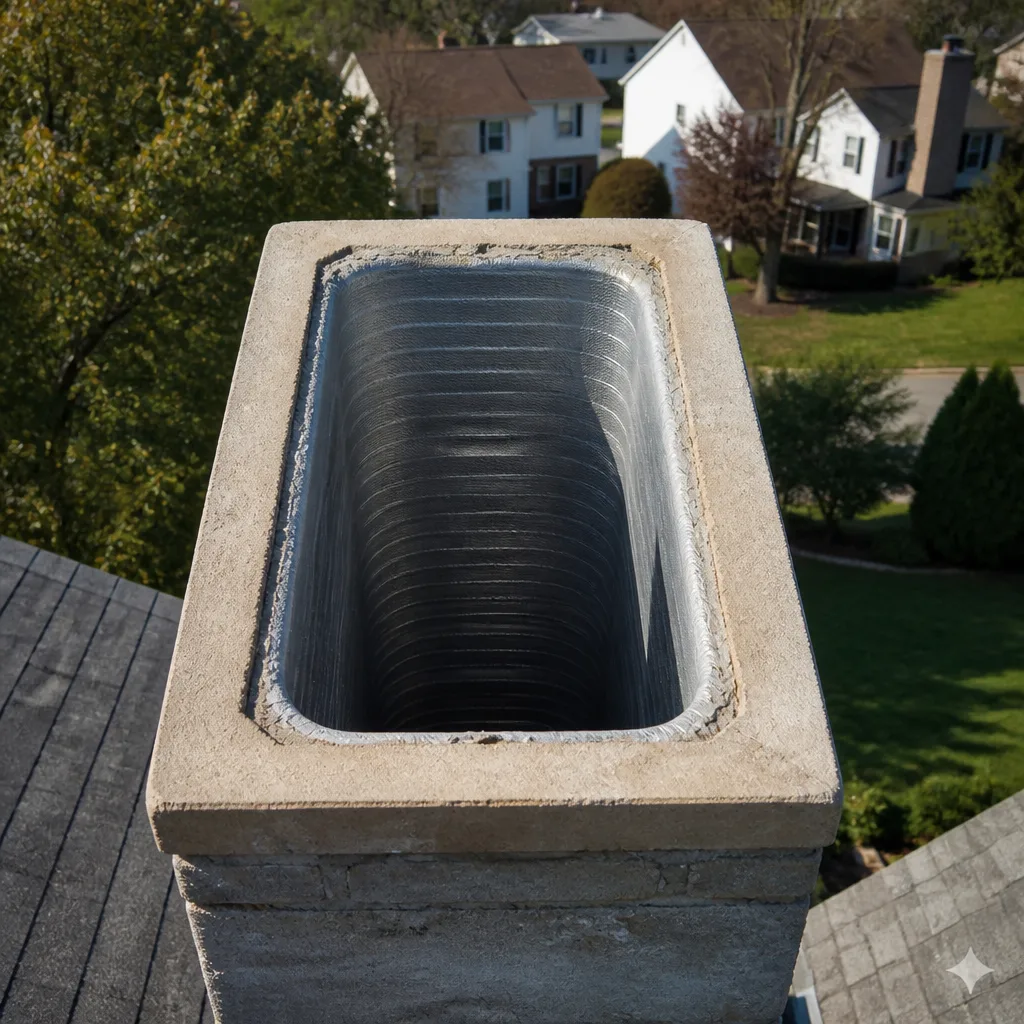 Flue relining
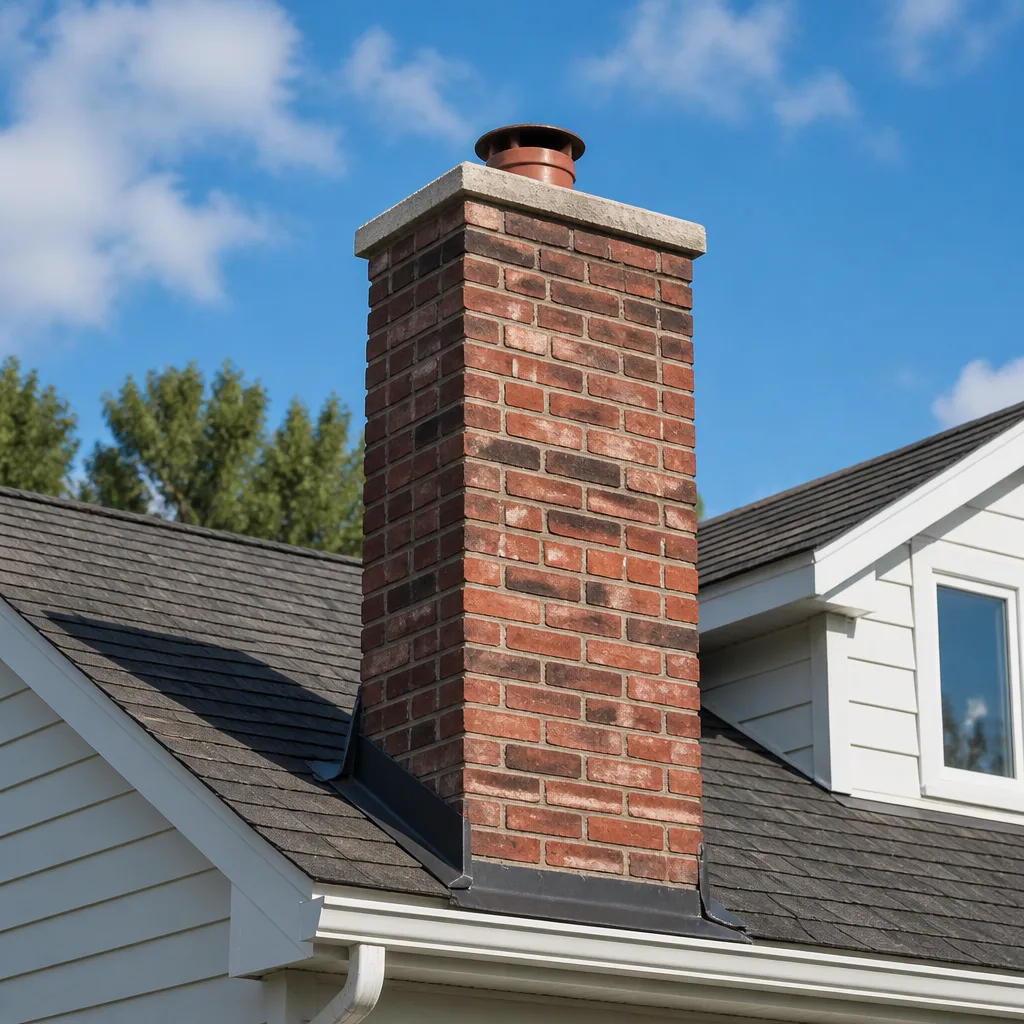 Masonry repair
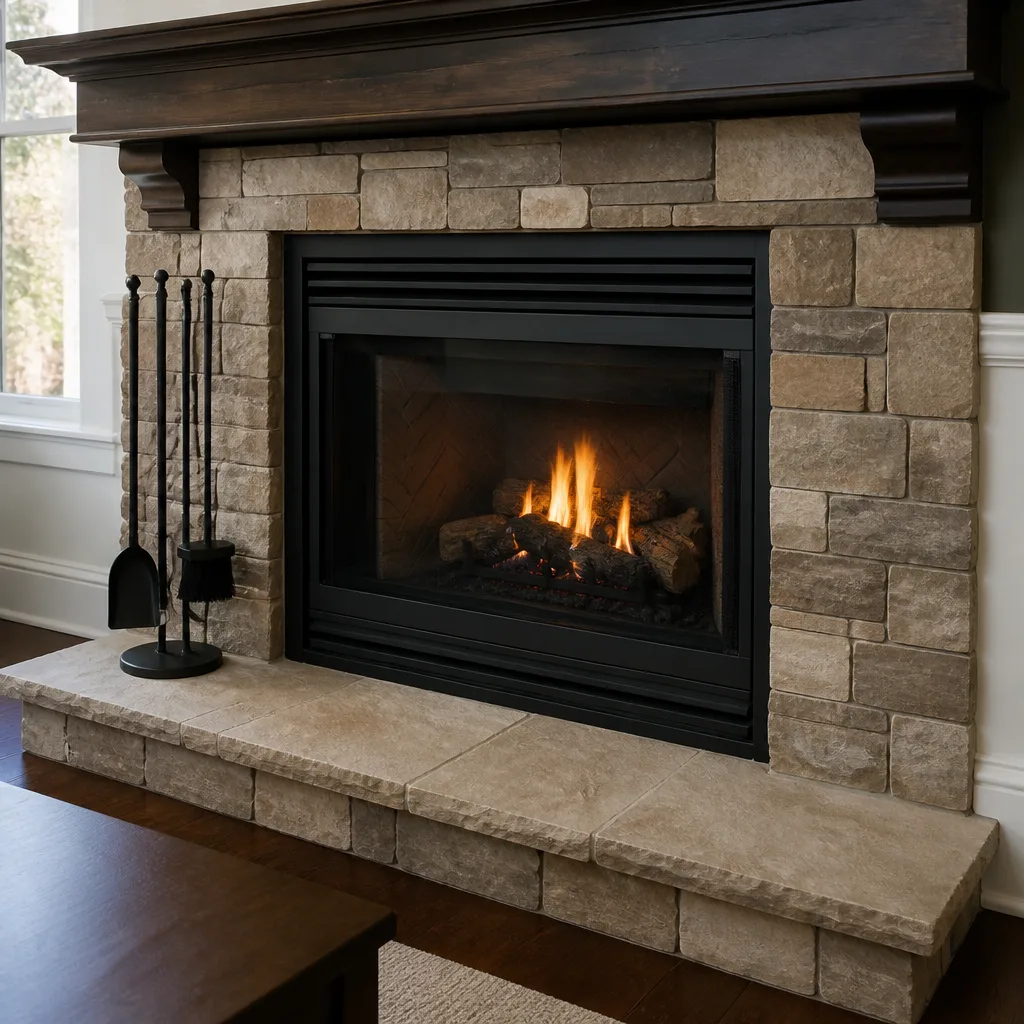 Gas fireplace service
Level 1 sweep and inspection to the NFPA 211 annual standard - flue, crown, cap, and flashing checked and photographed
Chimney sweep logs do not sweep chimneys. They loosen some creosote - which then falls where a brush and vacuum still have to collect it.
How to Hire a Chimney Cleaning Contractor in Madison: A Step-by-Step Guide
Most people hiring a chimney sweep ask one question: how much? That’s the wrong first question. The right one is whether the person on your roof can spot a cracked crown, a deteriorated flue liner, or a hidden obstruction while they’re up there – and tell you plainly what it means. In Madison, chimney cleaning gets offered as a cheap add-on by handymen and HVAC companies that lack the training to read the system they’re brushing. This guide gives you a vetting framework that separates genuine chimney specialists from generalists, from credentials you can verify to the line items that should (and shouldn’t) appear on your estimate. You’ll finish knowing exactly what to ask before anyone steps onto your roof.
Quick Answer
To hire a chimney cleaning contractor in Madison, verify credentials directly – CSIA certification through the Chimney Safety Institute of America, NFI through the National Fireplace Institute, and NCSG membership through the National Chimney Sweep Guild – then confirm the company handles inspection, repair, and relining in-house rather than referring out. Ask for a written estimate with line items and a photo or video record of what the technician finds. A specialist inspects the full system, not just the flue they swept, and puts recommendations in writing you can keep.
Styles & brands we work with
- Sweep & inspection
- Caps & crowns
- Flue relining
- Masonry repair
- Gas fireplace service
Table of Contents
- What CSIA, NFI, and NCSG credentials actually mean
- How to verify a chimney contractor’s credentials
- Questions that separate specialists from generalists
- Sweep versus inspection: what you’re actually paying for
- Red flags in low-bid chimney services
- How to read a chimney service estimate line by line
- Why in-house repair capability matters
- Professional-grade materials and what they signal
What CSIA, NFI, and NCSG Credentials Actually Mean
Chimney work is lightly regulated. No state law in Tennessee requires a chimney sweep to hold a certification, which means anyone with a brush and a ladder can advertise the service. That’s why the credentials matter – they’re voluntary, and they’re the fastest way to tell a trained technician from a hobbyist. The three that carry weight are CSIA, NFI, and NCSG. Each means something different, and knowing the difference keeps you from being impressed by the wrong one.
CSIA (Chimney Safety Institute of America) is the standard most homeowners have heard of, and it’s the one to prioritize. A CSIA Certified Chimney Sweep has completed a formal course of study and passed a proctored exam covering sweeping, inspection, venting, and the codes that govern chimney systems. Certification requires continuing education to maintain, so a current CSIA credential tells you the technician is keeping up with current practice rather than working from what they learned once.
NFI (National Fireplace Institute) focuses on hearth appliances – wood stoves, gas fireplaces, and the venting that goes with them. An NFI-certified technician has been tested on installation and venting for specific fuel types. If your home has a gas fireplace or a wood stove insert, an NFI credential is a meaningful plus because it speaks directly to the appliance, not just the flue.
NCSG (National Chimney Sweep Guild) is a professional membership organization rather than a testing body. Membership signals that a company has committed to the trade’s standards and network, but it is not itself a certification. Treat it as a supporting detail, not the primary credential.
Here’s the practical takeaway: CSIA is your baseline, NFI matters if you have a hearth appliance, and NCSG is a good sign but shouldn’t be your deciding factor. A company that holds all three is speaking the language of professionals. Our technicians have up to 12 years of experience across this full scope, and we work to the standards those credentials represent on every Madison job.
How to Verify a Chimney Contractor’s Credentials
A credential is only as good as your ability to confirm it. Plenty of companies use the word “certified” loosely, and some mean nothing more than that they attended a weekend training. Verifying takes a few minutes and tells you more than any sales pitch. Follow these steps before you book.
- Check the CSIA directory directly. The Chimney Safety Institute of America maintains a searchable list of certified sweeps. Look up the company name and the individual technician’s name. If they’re certified, they’re in the directory. If they aren’t listed, ask why.
- Verify NFI status through the National Fireplace Institute. NFI keeps its own certification records. If a company claims NFI certification for gas or wood appliance work, confirm it there rather than taking the claim at face value.
- Look for NCSG membership on the guild’s member list. Membership is a supporting signal, so treat a match as confirmation and a miss as a prompt to ask questions.
- Confirm insurance and licensing status in writing. Ask for a certificate of insurance before work begins. The local pro should be licensed and insured as their state requires; a reputable company provides documentation without hesitation.
- Ask for the technician’s name before the appointment. A company that knows its own staff can tell you who’s coming and what their specific credentials are. A vague answer here is a warning sign.
- Cross-check the company against its own materials. If the website says CSIA-certified, the directory should confirm it. Mismatches tell you the marketing is ahead of the reality.
We’ve seen homeowners in Madison get this far and stop, assuming the check was enough. It isn’t – the verification is the point. A sweep who can’t be found in the CSIA directory is still allowed to clean your chimney in Tennessee, but they aren’t bound to the standards that keep the work safe. When you Madison Chimney Sweep Pros connects you with a local professional, ask them to walk you through their credentials before you book. A confident specialist will.
Questions That Separate Specialists from Generalists
The fastest way to tell a chimney specialist from a handyman with a brush is the questions they can answer without hesitating. Generalists do surface cleaning and little else. Specialists read the whole system while they work. These questions reveal which one you’re talking to.
- “What’s included in the inspection?” A specialist inspects the firebox, damper, smoke chamber, flue, crown, cap, and exterior. A generalist cleans the flue and calls it done. Ask specifically whether the inspection covers the smoke chamber and crown, because those are where most problems start and where most sweep-only services never look.
- “Do you perform repairs in-house, or do you refer them out?” A company that handles cap and crown installation, fireplace repair, and relining in-house has deeper diagnostic ability. One that refers everything out is passing along a markup and a handoff you’ll have to manage yourself.
- “Can you reline for wood, gas, and oil appliances?” DuraFlex liner systems let a trained company reline across fuel types. A sweep-only service typically declines or outsources this, which means a liner problem becomes someone else’s job.
- “Will I get photos or video of what you find?” A camera inspection with a photo record is the difference between a technician’s word and evidence you can see. Ask before the appointment, not after.
- “Do you resurface flues, or only clean them?” HeatShield capability signals a company that can extend the life of a deteriorating flue without a full rebuild – a scope most basic sweep outfits can’t perform.
- “What do you recommend, and what can safely wait?” A trustworthy technician separates urgent safety items from maintenance that can be scheduled later. If everything is urgent, you’re being sold, not advised.
In our experience, the answers to these six questions tell you more than any review or referral. A specialist answers them specifically and without hedging. A generalist circles back to price. That gap is the whole reason a vetting framework matters in a market where chimney cleaning shows up as an add-on. You can see what a full-scope chimney sweep actually includes when you compare it against a bare-bones clean, and the difference is usually in what gets inspected rather than what gets brushed.
Sweep Versus Inspection: What You’re Actually Paying For
A sweep and an inspection are two different services, and conflating them is one of the most common mistakes homeowners make. A sweep removes creosote, soot, and debris from the flue. An inspection evaluates the condition of the entire chimney system and produces a report on what needs attention. You can sweep without inspecting, but you shouldn’t – the inspection is what turns a cleaning into useful information about your home.
The industry recognizes three inspection levels, and knowing which one you’re getting matters:
- Level 1: A visual check of readily accessible portions of the chimney and venting, without tools that access concealed areas. Appropriate for a chimney in known good condition with no changes to the system.
- Level 2: Everything in Level 1, plus accessible areas of attics, crawl spaces, and basements, and often a camera scan of the flue interior. Required after a chimney fire, a change of fuel type, a new appliance connection, or a property sale.
- Level 3: Everything in Levels 1 and 2, plus access to concealed areas that may require removing parts of the chimney or building. Reserved for cases where a serious hazard is suspected.
For most routine work in Madison, a Level 2 inspection paired with a sweep is the sensible baseline. A technician who shows up, cleans, and leaves without inspecting the crown, cap, and smoke chamber has done half the job and told you nothing about the half that matters. The written report and the photo record are the deliverables that make an inspection worth paying for. When we connect Madison homeowners with a local professional, the expectation is a real inspection that leads to a fix, not a report that gets filed and forgotten. A full chimney cap & crown check belongs in that inspection, because water intrusion through a failing crown is the leading cause of long-term chimney damage.
Red Flags in Low-Bid Chimney Services
Chimney cleaning is one of the few trades where an unusually low price is more warning than welcome. A rock-bottom quote usually means the scope is thin, the materials are retail-grade, or the plan is to upsell once the technician is on your roof. Here are the red flags that surface – often six months after the job, when the consequences become visible.
- No inspection included, only a sweep. A company that cleans without inspecting can’t tell you about a cracked crown or a failing liner because it never looked. You paid for ash removal and got no information.
- Cash-only, no written estimate. A written estimate is your protection. If the price only exists over the phone, you have no way to hold anyone to it.
- Urgent, dramatic findings delivered without photos. If a technician tells you the flue is dangerous but can’t show you, be skeptical. Real problems are visible on camera.
- Retail-grade materials. Big-box caps, seals, and liners are not the same as the professional-channel products certified specialists specify. Ask what brands the company uses and whether they’re professional-grade lines like Gelco, Olympia Chimney, Famco, or Copperfield.
- Referrals to a “partner” for every repair. A sweep-only service that refers out every cap, crown, and liner job adds a handoff and often a markup. The specialist doing the repair is usually the one who found the problem.
- No mention of relining capability. If the company can’t reline for wood, gas, or oil appliances, it can’t handle the most technically demanding chimney repair – and it knows it.
- Pressure to book everything today. A qualified specialist is happy to put recommendations in writing and let you schedule repairs on your timeline when nothing is urgent.
How to Read a Chimney Service Estimate Line by Line
An estimate tells you what the company understands about chimney work, whether they mean it to or not. A specialist’s estimate is itemized and specific. A generalist’s is a single line with a price. Here’s what to look for and what should be there.
| Line Item | What a Specialist Includes | What It Signals If Missing |
|---|---|---|
| Sweep scope | Flue type, method, debris removal, cleanup | Vague cleaning, unclear coverage |
| Inspection level | Level 1, 2, or 3 stated, with photo or video record | No inspection, no evidence |
| Crown and cap condition | Noted as pass, monitor, or repair needed | Water intrusion risk overlooked |
| Flue liner assessment | Condition noted, resurfacing or reline options if needed | The most expensive hidden problem |
| Repair items | Specific materials and brands named | Retail-grade substitutes possible |
| Recommendations vs. urgency | What should happen now versus what can wait | Upsell pressure |
| Written record | Signed estimate and inspection photos | No protection, no recourse |
The estimate should also state what the technician found on the crown and cap, because that’s where water damage begins and where a sweep-only service rarely looks closely. When a repair is quoted, the estimate should name the materials – a lining quoted with DuraFlex or a resurfacing quoted with HeatShield tells you the company is specifying professional-grade products rather than whatever’s on the shelf. Missing line items don’t mean the work isn’t needed; they mean the company isn’t telling you.
Pricing is set per job by the written estimate, so treat any quote as a starting point and the signed estimate as the number that counts. Ask the technician to walk you through each line and explain what it covers. A company that can’t or won’t is showing you how it plans to handle the job.
Why In-House Repair Capability Matters
Small-world referrals sound good until you’re in the middle of one. A sweep-only company finds a problem, sends you to a repair company, that company finds a different problem, and now you’re managing two or three contractors who never spoke to each other. A full-scope specialist eliminates that. The technician who inspects the chimney is the one who caps it, crowns it, repairs the fireplace, or relines it. The system gets read once by one team, and the fix follows from the finding.
That matters because so much of chimney work is connected. A failing crown lets water into the smoke chamber. Water degrades the flue liner. A degraded liner puts the whole system at risk. A generalist or a sweep-only crew sees each problem in isolation, if at all. A full-scope company sees the chain and can address the root cause rather than chasing symptoms. In Madison, where a humid climate and heating-season temperature swings put real stress on masonry and mortar, that full-system view saves real work – often by catching crown and cap failures before they become liner and rebuild jobs.
DuraFlex liner systems expertise is the clearest marker of in-house capability. Relining a chimney for wood, gas, or oil appliances is technically demanding, and most basic sweep services outsource or decline it. HeatShield capability is another marker: flue resurfacing extends the life of a deteriorating chimney without a full rebuild, and it requires training and access to professional materials. When you’re vetting a contractor in Madison, ask directly whether they reline and resurface in-house. The answer tells you whether you’re hiring a specialist or a middleman. We handle the full chimney system – from crown to firebox – so the finding and the fix happen with the same team. For many homeowners that means the fireplace repair and the flue work get scheduled together instead of by two separate companies.
Professional-Grade Materials and What They Signal
The materials a company uses tell you what kind of company it is. A sweep-only operation buys retail-grade caps and seals from a home-improvement store because that’s what’s available to it. A certified specialist specifies professional-channel products – the same brands trained professionals use – because the stakes on a chimney are different from the stakes on a garden hose. When you’re vetting a Madison contractor, this is one of the easiest signals to read.
Professional-grade chimney materials come from a defined set of manufacturers. A contractor who names the brands and can tell you why they use them is showing you the trade. A contractor who can’t name a single brand is showing you something else. Here’s how to interpret what you hear:
- A named brand with a reason. When a technician says they use DuraFlex for relining because it works across wood, gas, and oil appliances, that’s professional knowledge. When they name Gelco or Olympia Chimney for a specific component, they’re sourcing through the professional channel.
- HeatShield named for resurfacing. HeatShield is a specialist material for flue resurfacing – it extends the life of a deteriorating flue without demolition. A company that mentions it has the training to use it.
- Famco and Copperfield named for fabrication and caps. These are professional-channel brands. Their appearance on a quote tells you the materials aren’t retail substitutes.
- No brand names at all. A quote with no named materials is a quote with unknown materials. Ask what they use and why.
Lined with DuraFlex. Resurfaced with HeatShield. Built to last. That’s the standard to hold a chimney contractor to, whether they’re installing a new cap, resurfacing a flue, or relining for a wood stove. You don’t need to research every product yourself – you just need to know whether the company can name what it uses and explain the reason. That single question sorts specialists from generalists faster than almost anything else in this guide.
Common Mistakes to Avoid
- Hiring on price alone. The cheapest chimney cleaning in Madison is usually the shortest scope. You’ll pay for what the first company skipped when a second company finds it six months later. Compare scope, not just the number.
- Assuming a sweep includes an inspection. These are separate services, and many companies quietly sell one and call it the other. Ask which inspection level is included and whether you’ll get a written report with photos.
- Accepting a “certified” claim without checking the directory. The CSIA and NFI directories are public and searchable. A few minutes of verification beats taking a salesperson’s word.
- Skipping the verification of the individual coming to your home. Company credentials and technician credentials are not always the same. Ask who’s coming and what that person holds.
- Ignoring the crown and cap. Water intrusion through a failing crown is the leading cause of long-term chimney damage, and it’s invisible from the ground. Make sure the crown and cap get checked at every appointment.
- Using a handyman or HVAC company as a chimney add-on. These trades often offer chimney cleaning as an add-on without the training to spot structural problems. In Madison, where the trade is busy, this shortcut is common and it’s the wrong call for anything beyond a superficial clean.
- Not asking what can safely wait. A trustworthy specialist separates urgent repairs from maintenance you can schedule later. If every finding is framed as an emergency, the estimate is doing the selling instead of the technician.
See the difference
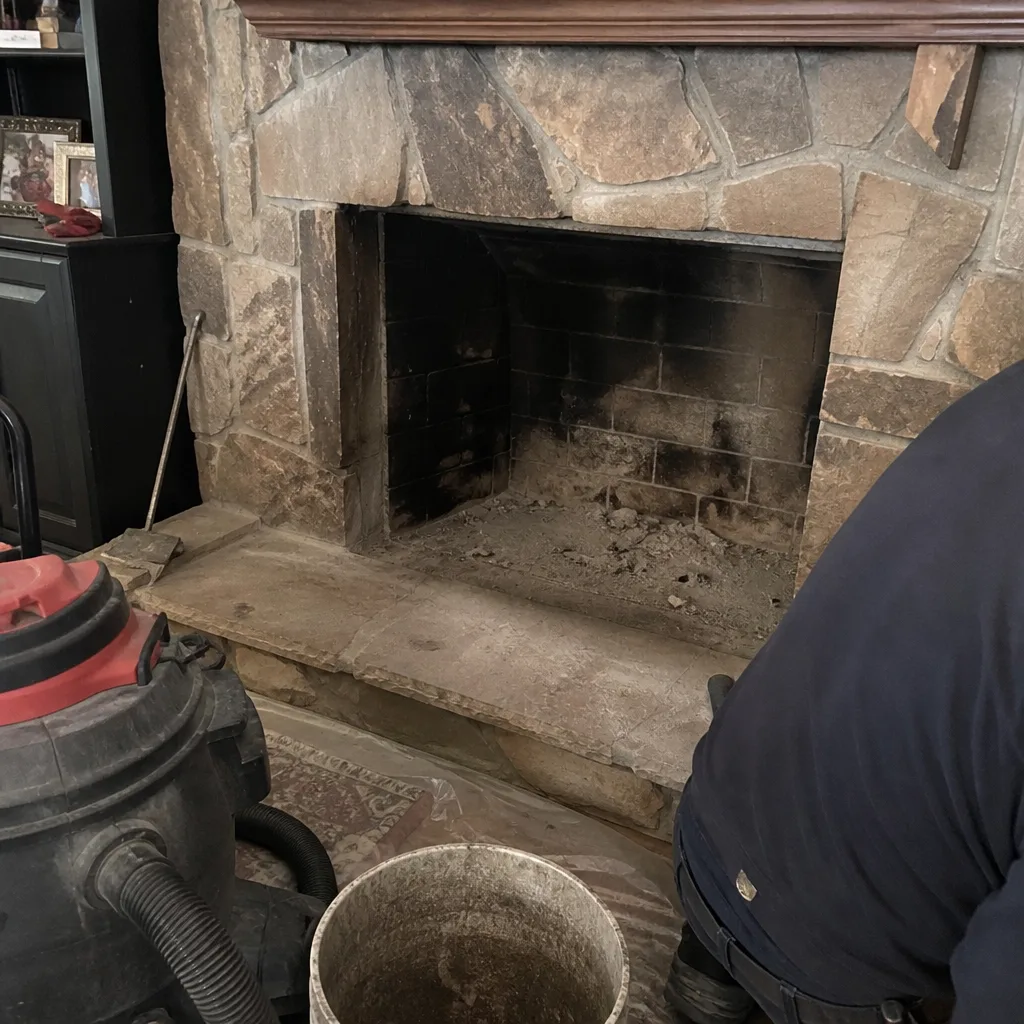 Before
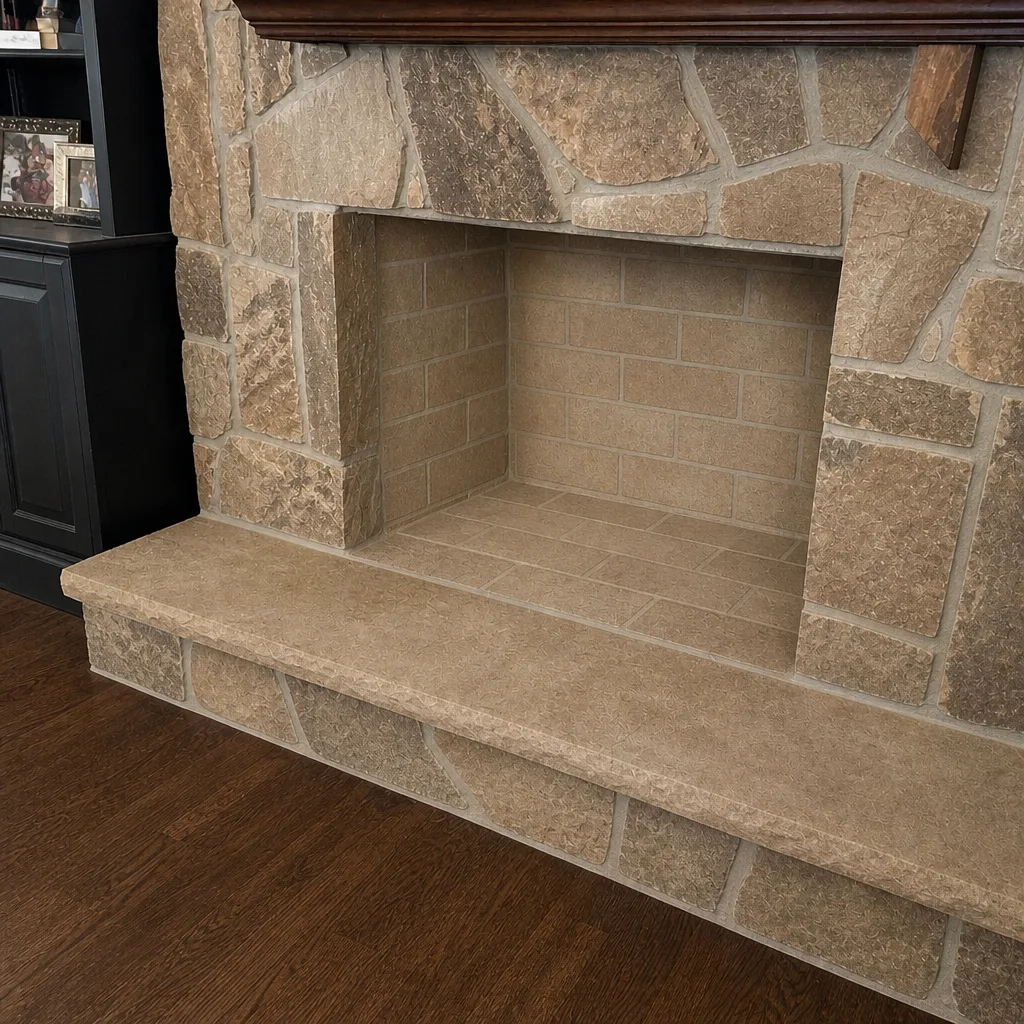 After
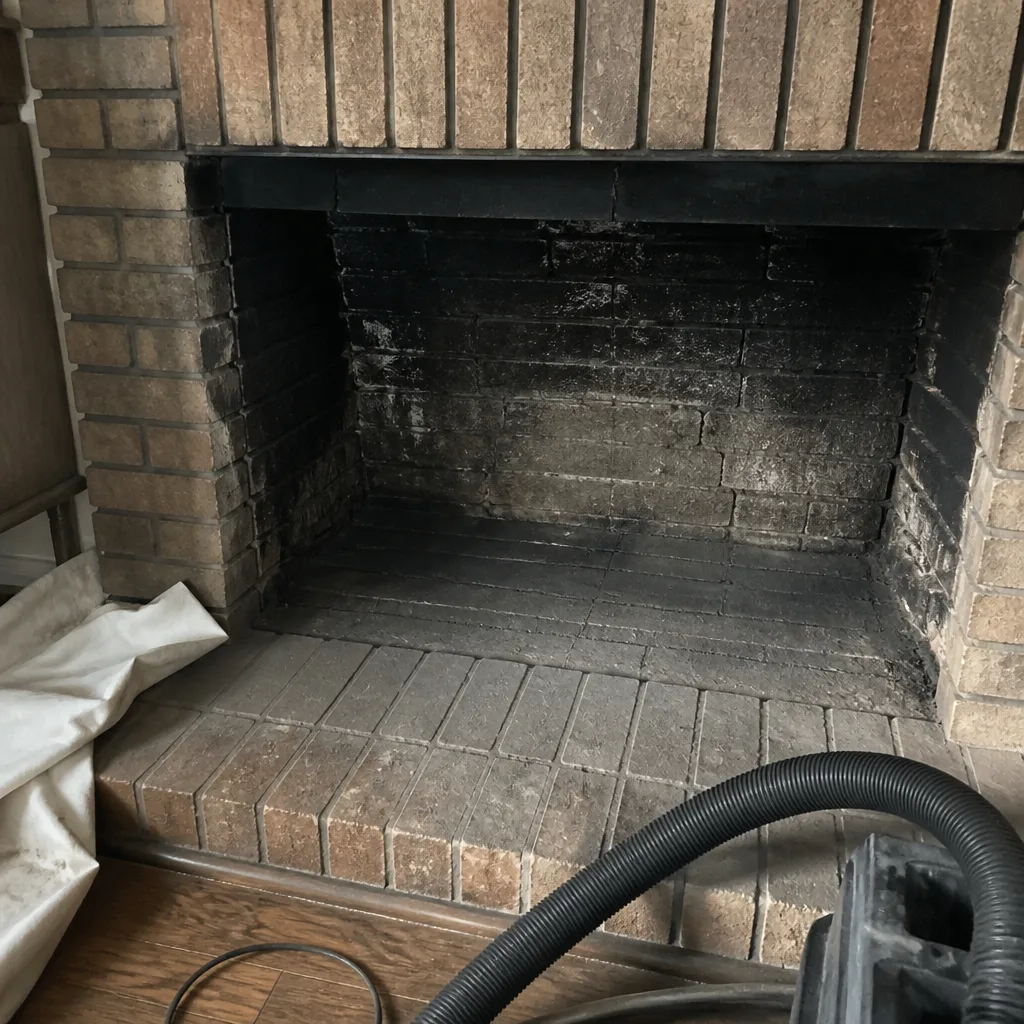 Before
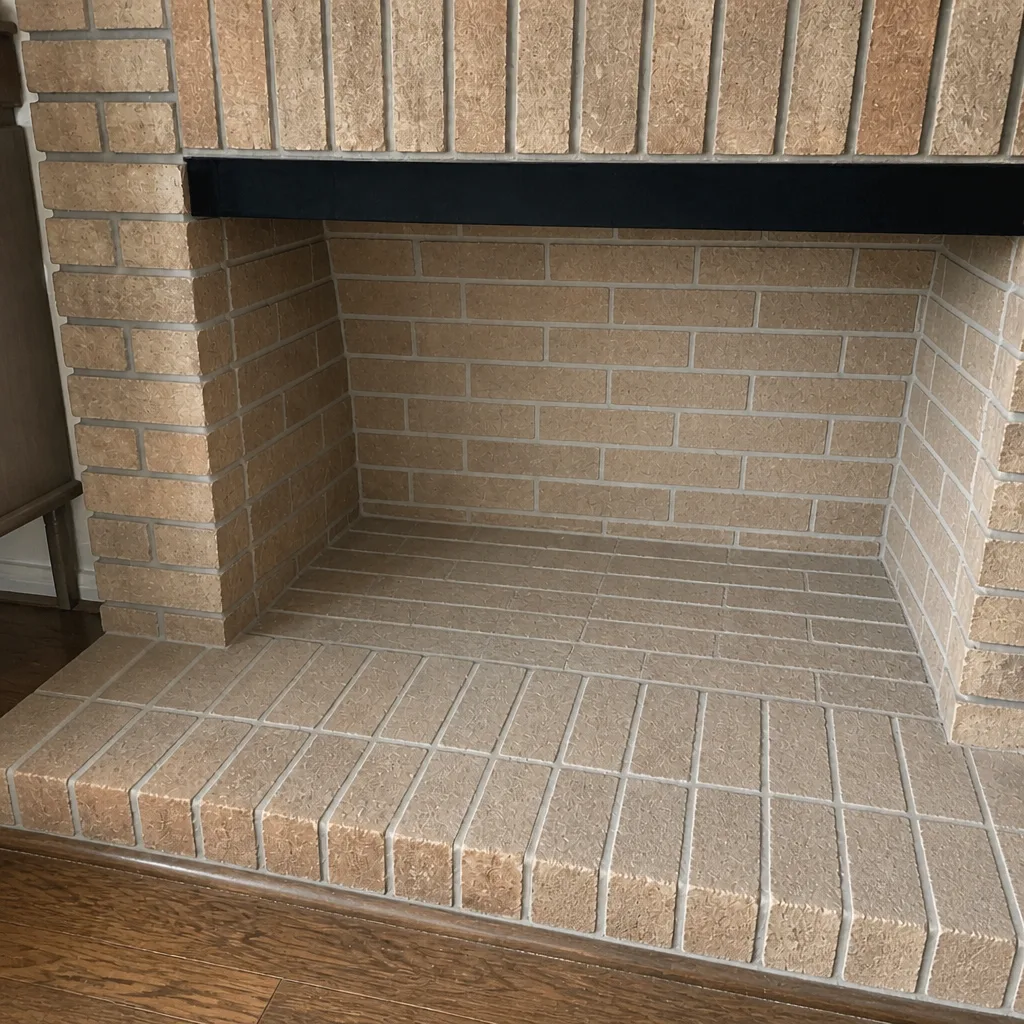 After
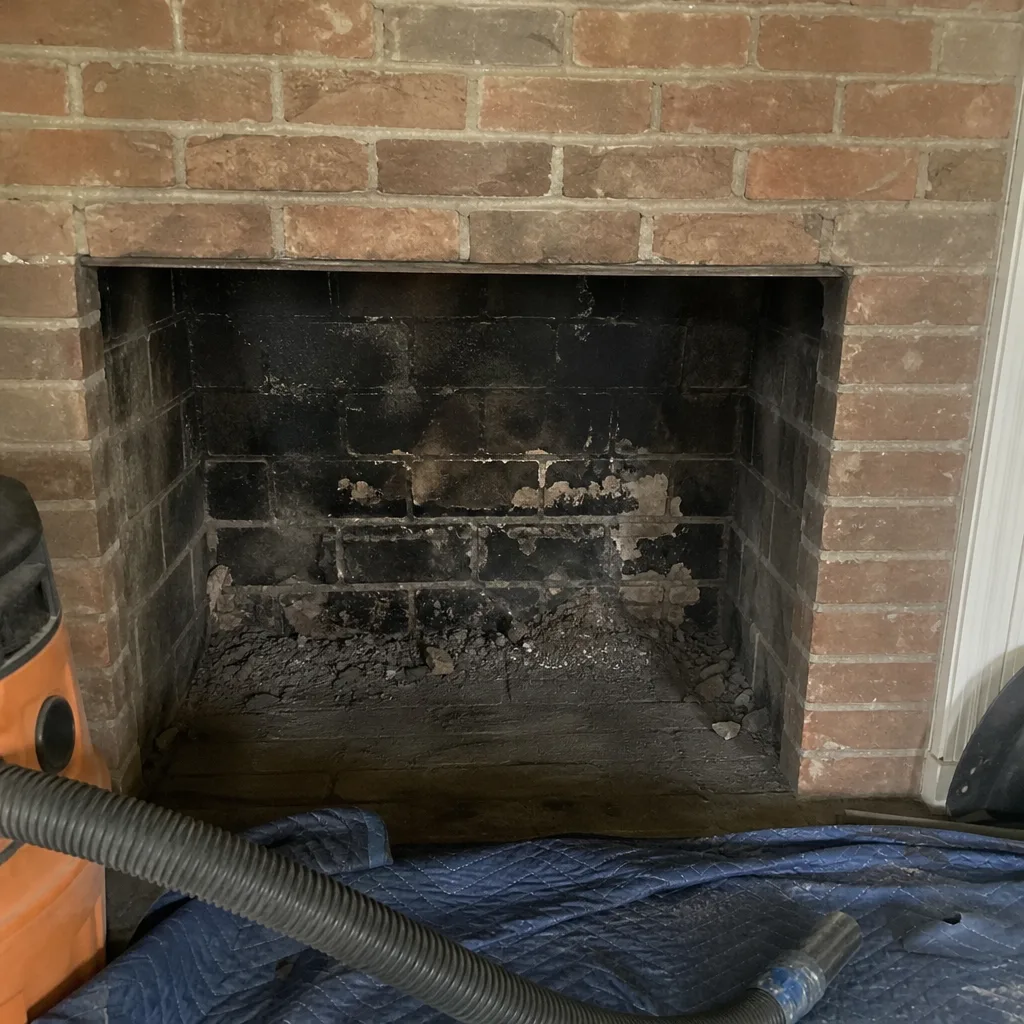 Before
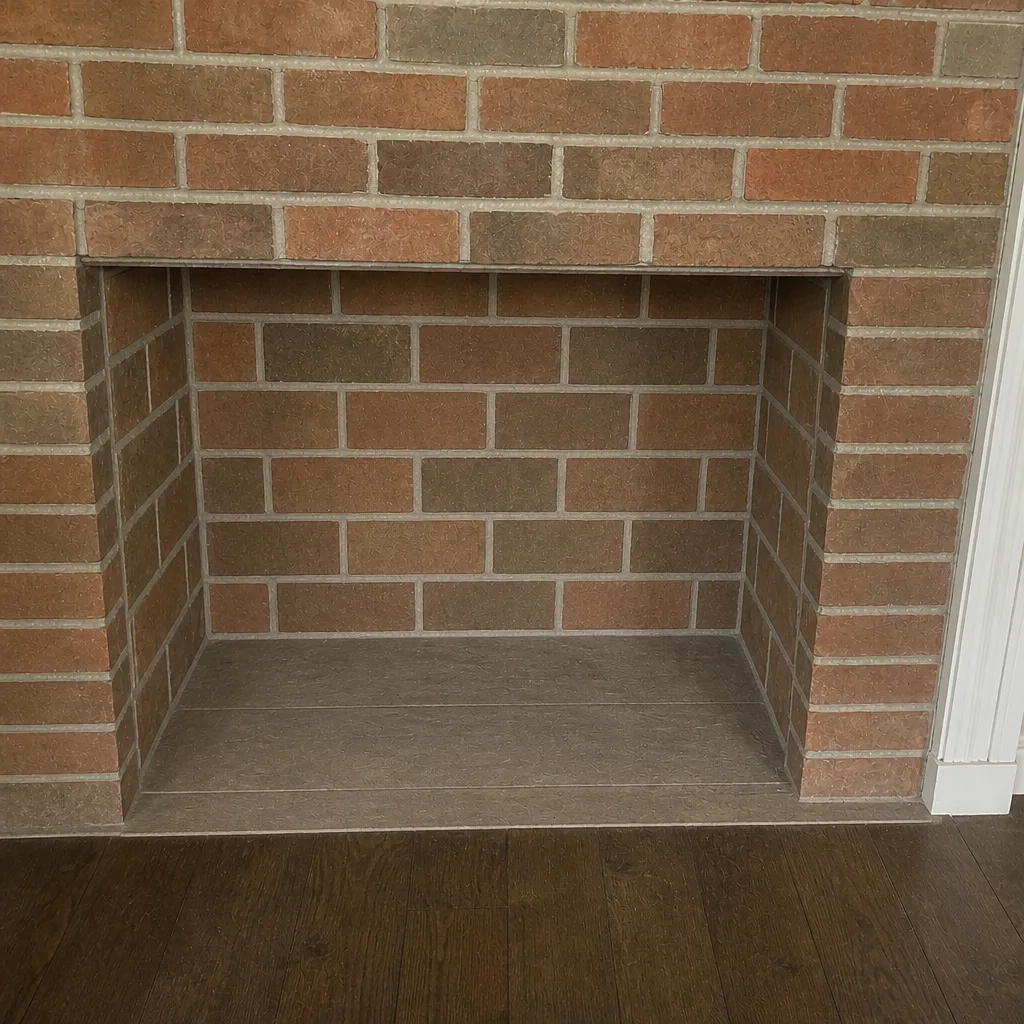 After
When to Call a Professional
Some chimney situations call for a specialist rather than a generalist with a brush. Call a professional if your chimney hasn’t been swept in over a year of regular use, if you’re burning wood and notice a strong creosote smell, if you’ve experienced a chimney fire (even one you put out yourself), or if you see water staining on the ceiling or chimney breast. Persistent smoke entering the room, a damper that won’t close, damaged mortar joints, or a cap that’s come loose all warrant a look by someone trained to read the whole system. A gas appliance that vents through the chimney also needs a professional check, since carbon monoxide is invisible and doesn’t announce itself. If you’re unsure, err on the side of a call – the worst that happens is a clean report. Madison Chimney Sweep Pros offers free estimates in Madison – call (855) 658-5258. We answer 24/7. Fast dispatch from 7am to 7pm, Sunday through Friday.
Frequently Asked Questions
Check the CSIA directory directly – certified sweeps are listed by name and company, and the listing is the only reliable confirmation. NFI certification is verifiable through the National Fireplace Institute. A company that claims certification but isn’t in the directory is not certified, regardless of what its website says. Call (855) 658-5258 for an exact quote – estimates are free.
It shouldn’t be assumed. A sweep removes creosote and debris; an inspection evaluates the full system and produces a written report, often with photos. Ask specifically which inspection level is included before you book, and make sure a sweep doesn’t get sold to you in place of an inspection. Call (855) 658-5258 for an exact quote – estimates are free.
A specialist reads the whole system while cleaning and can perform repairs in-house, including cap and crown work and relining for wood, gas, or oil appliances. A handyman cleans the flue and may not recognize or report a structural problem. The difference shows up in what gets found, not just in what gets brushed. Call (855) 658-5258 for an exact quote – estimates are free.
A chimney burning wood should generally be swept once a year or after roughly a cord of wood, whichever comes first, and more often under heavy use. A gas appliance should still be inspected annually even though it produces far less creosote. The right interval depends on your appliance and burning habits, which is why a real inspection matters more than a calendar. Call (855) 658-5258 for an exact quote – estimates are free.
Because they’re sweep-only operations without the training or materials to do the repair themselves. That means a handoff, often a markup, and sometimes a second diagnosis that conflicts with the first. A company that handles cap, crown, fireplace repair, and relining in-house keeps the whole job with one team. Call (855) 658-5258 for an exact quote – estimates are free.
No. Small chimney problems turn into expensive ones because water and creosote work slowly and quietly. A cracked crown lets water into the flue liner, and a degraded liner puts the whole system at risk. Early detection is the whole point of an annual inspection. Call (855) 658-5258 for an exact quote – estimates are free.
The Bottom Line
Hiring a chimney cleaning contractor in Madison comes down to three things: verified credentials, a real inspection, and in-house repair capability. Confirm CSIA certification in the directory, ask which inspection level is included, and insist on a written estimate with line items that name the materials. Watch for the low-bid red flags – a sweep-only scope, no photos, retail-grade products, and referrals for every repair. A specialist handles the full chimney system from crown to firebox and can tell you what needs attention now versus what can wait. When you find that company, the cleaning becomes a full-system visit rather than a box checked. Call (855) 658-5258. We answer 24/7. Fast dispatch from 7am to 7pm, Sunday through Friday.
Written by the team at Madison Chimney Sweep Pros.