
Last updated November 24, 2026
 Sweep & inspection
 Caps & crowns
 Flue relining
 Masonry repair
 Gas fireplace service
Level 1 sweep and inspection to the NFPA 211 annual standard - flue, crown, cap, and flashing checked and photographed
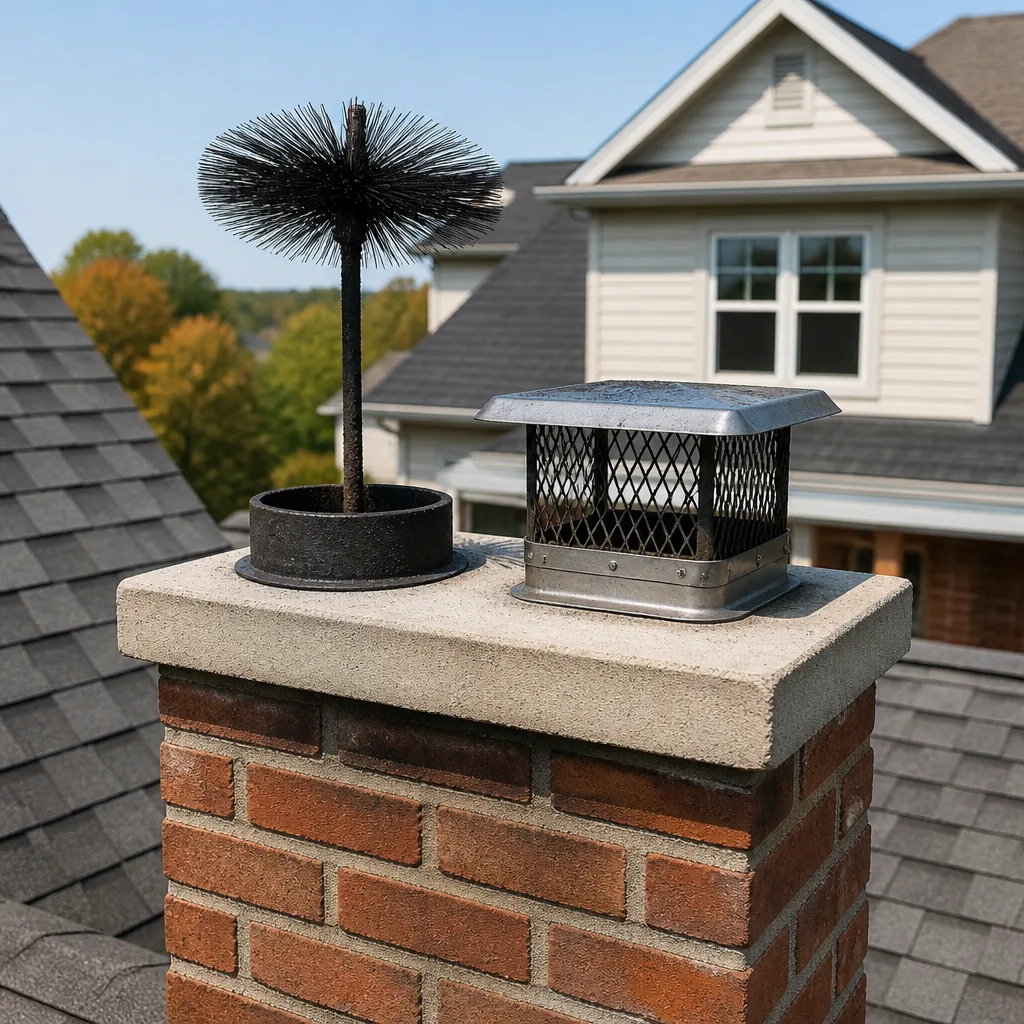
Chimney sweep logs do not sweep chimneys. They loosen some creosote - which then falls where a brush and vacuum still have to collect it.
Seasonal Chimney Cleaning Care for Madison: Year-Round Homeowner’s Guide
Most homeowners in Madison treat chimney care as a fall chore: book a sweep, burn through winter, forget about it until next October. That schedule misses the season doing the most damage. Spring, not winter, is the hardest stretch for a Madison chimney. Freeze-thaw cycling winds down just as heavy spring rain arrives, and moisture that worked its way into masonry over the cold months has nowhere to go but deeper into the crown and mortar joints. By the time you light the first fire in fall, small cracks have had months to widen. This guide maps chimney care to all four seasons in Madison – what the weather is actually doing to your masonry, liner, and flashing, and which tasks belong in which month. You’ll learn what to inspect, when to sweep, and what can safely wait.
Quick Answer
Chimney care in Madison is a four-season job, not a fall ritual. Spring is the priority window for inspection and moisture repair after freeze-thaw; summer is when you check for animal intrusion, vegetation, and liner gaps that open in heat; fall is for the pre-season sweep, draft test, and damper work before the first fire; winter is for monitoring performance and catching problems early. In Madison’s humid climate, creosote hardens faster than in drier regions, so annual sweeping matters more here, not less.
Styles & brands we work with
- Sweep & inspection
- Caps & crowns
- Flue relining
- Masonry repair
- Gas fireplace service
Table of Contents
- Why Spring Is the Most Important Chimney Season in Madison
- Summer Chimney Care: What Happens When You’re Not Burning
- Fall Prep: The Tasks to Finish Before Your First Fire
- Winter Monitoring: Reading Your Chimney Mid-Season
- How Madison’s Humidity Changes Creosote and Cleaning Frequency
- A Year-Round Chimney Care Schedule for Madison Homes
- Common Mistakes to Avoid
- When to Call a Professional
Why Spring Is the Most Important Chimney Season in Madison
Spring is the most damaging season for a chimney in Madison, and it has nothing to do with fire. It’s water. All winter, the freeze-thaw cycle has been working on your masonry: moisture soaks into brick and mortar, freezes, expands, thaws, and repeats. That cycle opens hairline cracks. Then spring rain arrives and fills them. Because the crown and mortar joints are porous, water keeps moving inward long after the rain stops, and the damage compounds through April and May.
What to focus on after the heating season ends:
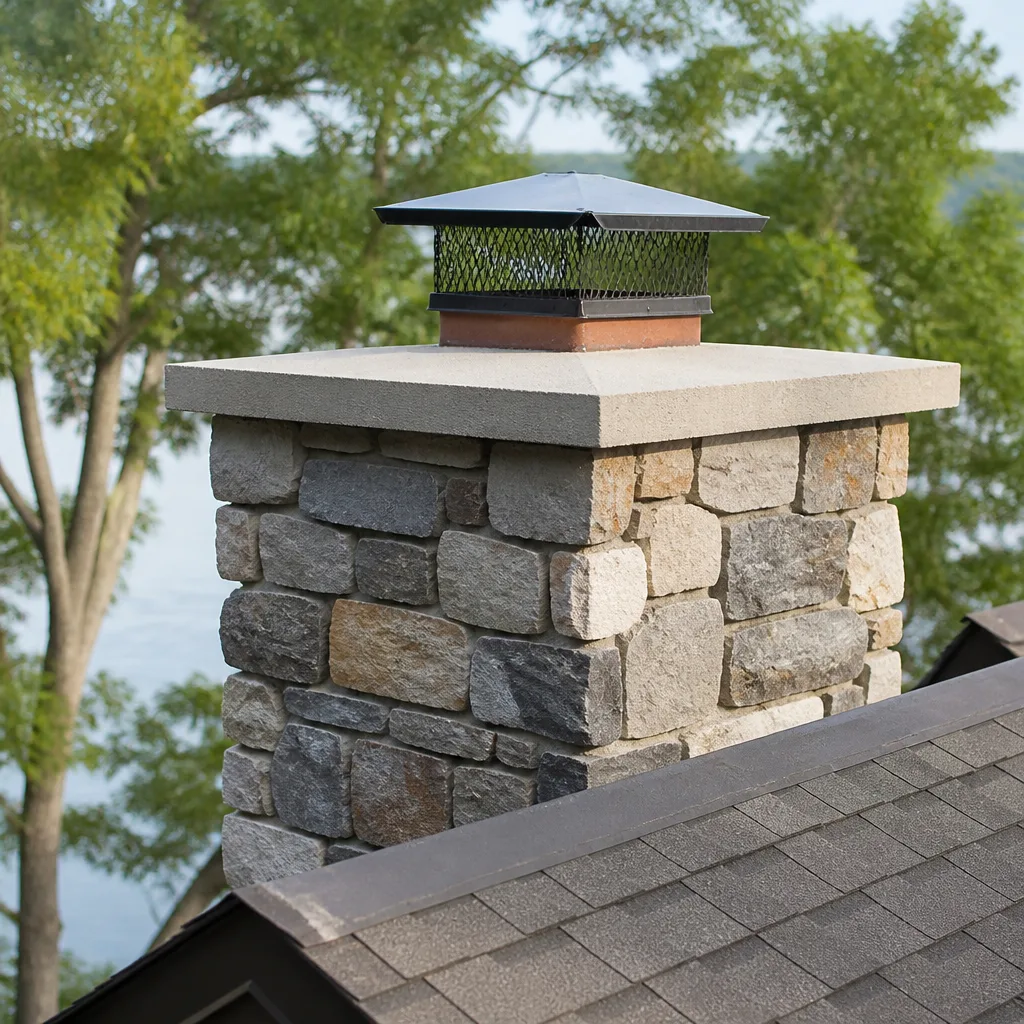
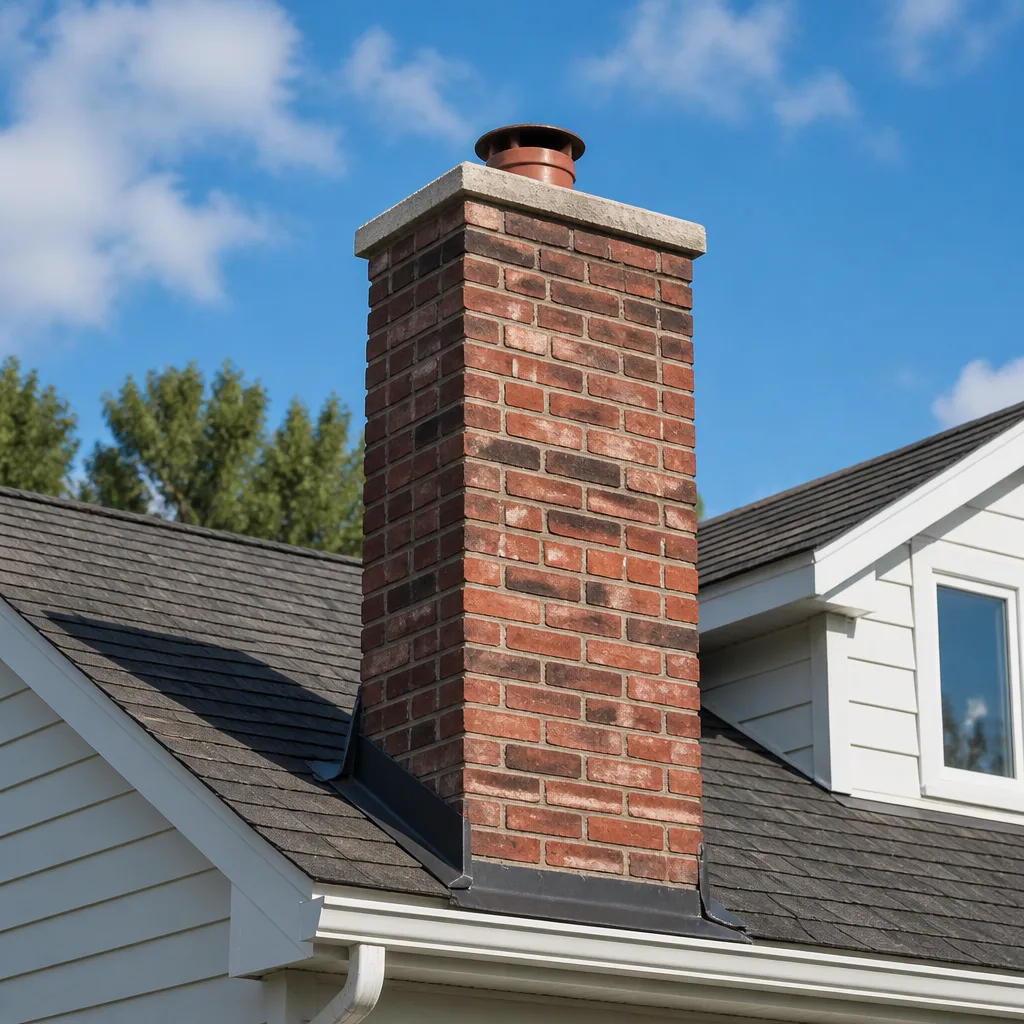
- Crown condition. The crown is the concrete cap on top of the chimney. Cracks here let water straight into the flue structure. A cracked or spalling crown is the single most common entry point for long-term chimney damage we see in Madison homes.
- Flashing. The metal seal where the chimney meets the roof. Freeze-thaw is brutal on flashing seams, and a failed flashing joint sends water down the outside of the flue and into the attic.
- Mortar joints. Receded or crumbly mortar between bricks means water is already getting in. Repointing before the rainy stretch prevents a small repair from becoming a rebuild.
- Post-season inspection. A spring look at the flue and firebox catches damage from the winter’s burn cycle while it’s still fresh and small.
Madison’s spring rains are steady rather than sudden, which means water has time to soak in rather than run off. That makes the months after the last fire the right window for cap and crown work and any masonry repair. Spring is also when you’ll get on a pro’s calendar fastest – by fall, everyone in Madison is trying to book at once.
Summer Chimney Care: What Happens When You’re Not Burning
An unused chimney isn’t idle. Summer is when animals move in, vegetation creeps closer, and heat does its quiet structural work. A chimney that sits untouched from May to September can greet you in October with a nest in the flue, a cracked liner, or a vine pushing into the masonry.
Here’s what summer attention covers:
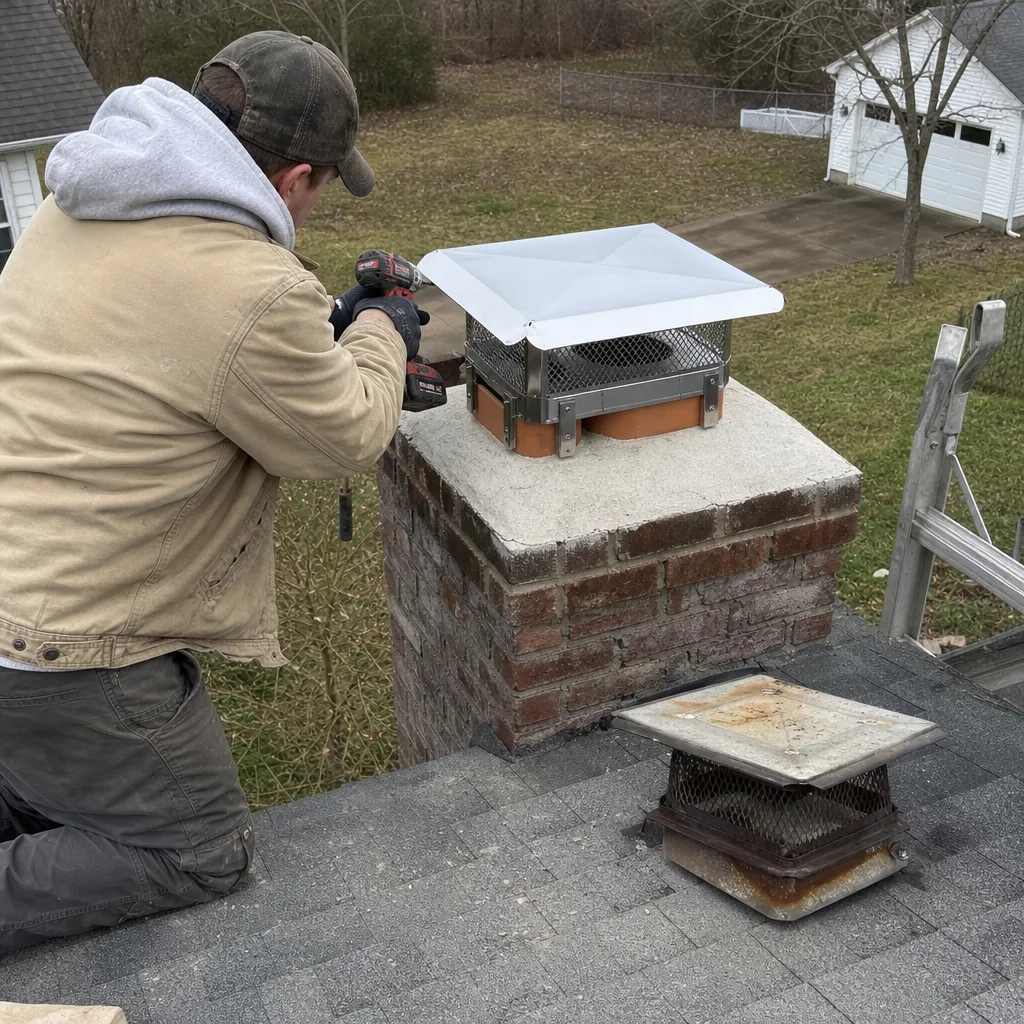
- Animal intrusion. Birds, squirrels, and raccoons find uncapped chimneys inviting. A proper cap stops them. If you haven’t already installed one, summer is the cheapest time to fix that – before nesting season gets busy.
- Vegetation. Tree limbs and vines growing against or over the chimney trap moisture and drop debris. Trim back anything touching the structure.
- Liner gap expansion. Heat causes materials to expand. Clay tile liners in particular can develop gaps at the joints as temperatures climb, especially in a chimney that’s been through many winters. This is one reason a summer inspection catches issues a sweep alone would miss.
- Draft checks. Warm, humid air and a cool chimney create poor draft conditions. A summer draft test tells you whether your chimney is ready before you need it.
Summer is also the season for proactive upgrades that don’t disrupt your burn season. If your crown needs replacement or your liner needs evaluation, doing the work now means no scramble in October. We handle the full chimney system – from crown to firebox – so a summer call can cover chimney cap & crown work, liner evaluation, and a sweep in one visit rather than three.
Fall Prep: The Tasks to Finish Before Your First Fire
Fall is the season everyone thinks of, and it matters – but it’s about readiness, not repair. Get these tasks done before the first cold night so you’re not troubleshooting a smoky firebox when the house is cold.
- Book the chimney sweep. Creosote builds up over the burn season. A professional sweep removes it, along with soot and any summer debris. In Madison’s humid air, creosote can harden faster than you’d expect – more on that below.
- Test the draft. Before you build a fire, hold a lit match near the open damper and watch which way the smoke goes. Smoke drawn up means draft is working. Smoke drifting into the room means you have a blockage or a pressure problem to solve first.
- Lubricate the damper. A damper that sticks open wastes heat; one that sticks closed sends smoke into your living room. A little graphite or high-temp lubricant on the damper mechanism keeps it moving freely.
- Check the cap and screen. Confirm the cap is secure and the spark screen is intact. A missing screen lets embers out and wildlife in.
- Clear the firebox and ash pit. Excess ash restricts airflow. Empty it out and check the firebox for cracks or loose brick.
- Verify your smoke and carbon monoxide detectors. A working CO detector belongs on every floor with a fuel-burning appliance. Test the batteries at the same time you prep the chimney.
Famco and Copperfield components show up in a lot of the repair work we do in the fall – dampers, caps, and top-sealing assemblies that hold up to Tennessee weather better than the hardware-store versions. When those parts are already failing, the pre-season visit is the time to catch it.
Winter Monitoring: Reading Your Chimney Mid-Season
Once you’re burning regularly, the chimney talks to you – if you know what to listen for. Mid-season monitoring is about catching trouble while the fire is still going, not after the season ends.
Signals worth paying attention to:
- Odor. A strong creosote smell when the fire is out, or a smoky smell in the house when you haven’t lit one, means creosote buildup or a draft issue. Persistent odor is a reason to pause use and get it looked at.
- Smoke rollout. Smoke curling into the room instead of up the flue is the clearest sign of a blockage, a closed damper, or negative pressure in the house. Stop burning until it’s resolved. Smoke in the room is a carbon monoxide risk, not just an annoyance.
- Creosote accumulation in the flue. A quick look up the flue with a flashlight reveals buildup. Glazed, shiny creosote is the dangerous kind and means the chimney needs professional attention.
- Draft problems in cold snaps. A chimney that works fine on mild days but smokes on the coldest nights has a draft or sizing problem. Note it and address it after the burn cycle.
- When to pause use. If the fire won’t draw, the flue smells strongly of creosote, or you see smoke where you shouldn’t, stop burning and call. A pause is safer than pushing through, and it protects the chimney from further damage.
Winter is also when chimney fires most often go unnoticed. A slow, smoldering chimney fire can sound like distant thunder or a low rumble and deal real structural damage before anyone realizes what’s happening. That’s why the annual sweep before winter matters so much: removing creosote removes the fuel a chimney fire needs.
How Madison’s Humidity Changes Creosote and Cleaning Frequency
Madison sits in a humid climate, and humidity is a chimney’s quiet adversary. Creosote is a byproduct of combustion, but what it does once it’s on your flue walls depends on moisture. In a drier climate, creosote tends to stay softer and crumbly for a while. In Madison’s summer humidity and the damp shoulder seasons, creosote absorbs moisture and hardens sooner. Hard, glazed creosote is harder to remove and more flammable than the soft, flaky kind.
What that means for cleaning frequency:
- Annual sweeping is the baseline here, not optional. The standard guidance of “sweep once a year” holds in Madison, and in a heavily used chimney it’s a floor, not a ceiling.
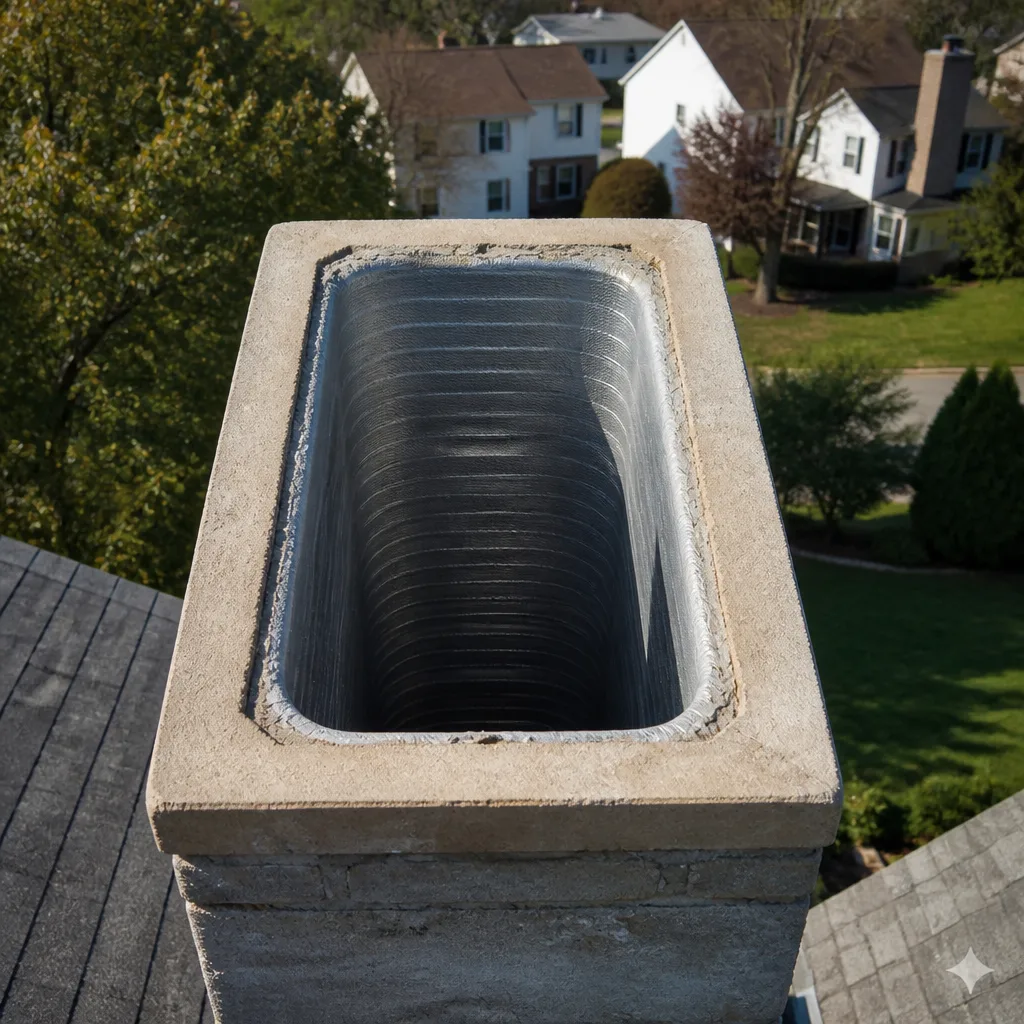
- Glazed creosote needs a different approach. Once creosote reaches the glazed stage, a standard sweep may not be enough. That’s where professional product lines matter: HeatShield-capable work can resurface and restore a deteriorated flue, extending the life of the chimney without a full rebuild. Most sweep-only crews can’t do this.
- Liner condition ties in directly. A cracked liner lets moisture reach creosote and masonry. DuraFlex liner systems handle wood, gas, and oil appliances, which means a reline is a single-scope fix for a problem that often starts with humidity.
- Humidity also speeds masonry damage. Water trapped in brick expands when it freezes and pushes joints apart. In a humid climate, the moisture has more chances to get in.
If you’ve ever wondered why your chimney needs attention every year when your cousin in a drier state gets by on scheduling it rarely, this is the reason. In Madison, the moisture in the air makes every part of the system work harder.
A Year-Round Chimney Care Schedule for Madison Homes
Here’s a practical calendar that maps each task to the season that suits it best in Madison. Treat it as a starting point and adjust for how heavily you burn.
- Early spring (post-heating season): Book the post-season inspection. Look at the crown, flashing, and mortar joints while freeze-thaw damage is fresh. Schedule any moisture repair before the spring rains dig in.
- Late spring: Complete cap and crown work and any masonry repair. This is the window when the work is easiest and the calendar is most open.
- Summer: Check for animal intrusion, trim vegetation, and have the liner evaluated if the chimney is older or has had issues. Do proactive upgrades now.
- Early fall: Book the annual sweep. Test the draft, lubricate the damper, check the cap and screen, clear ash, and verify detectors.
- Winter: Monitor performance. Watch for odor, smoke rollout, and draft problems. Pause use and call if anything seems off.
- Any season, as needed: Fireplace repair. A firebox with cracked brick, a failing damper, or a worn hearth needs attention regardless of the calendar, so don’t wait for the next season if something’s clearly wrong.
One advantage of working with a full-scope specialist: Madison Chimney Sweep Pros handles the entire sequence – inspection, sweep, cap and crown, fireplace repair, and chimney repair – without handing parts of the job to subcontractors. You make one call and get one written estimate for the whole scope. Our technicians have up to 12 years of experience with the full system, and we work with professional-grade product lines – DuraFlex, HeatShield, Gelco, Olympia Chimney, Famco, and Copperfield – the same materials certified chimney specialists specify. Lined with DuraFlex. Resurfaced with HeatShield. Built to last.
Common Mistakes to Avoid
- Skipping the spring inspection. Most Madison homeowners book a fall sweep and let the chimney sit untouched the rest of the year. That means the freeze-thaw damage and spring moisture get a full season to deepen before anyone looks.
- Assuming an unused chimney needs no care. A chimney that’s been idle all summer can have a nest in the flue or a liner that’s shifted. Idle doesn’t mean healthy.
- Burning through the winter without monitoring. Waiting for the annual sweep to find problems means you’ve burned a whole season on top of them. Watch for smoke rollout and odor during the season, not just after.
- Using hardware-store parts on a chimney. Dampers, caps, and liner components sold at retail aren’t built to the same standard as professional-channel products like Famco or Copperfield. A cheap cap that fails in a year isn’t a bargain.
- Ignoring a cracked crown because “the chimney still works.” A cracked crown lets water in. The chimney can seem fine for a while – and that’s exactly how a small repair becomes a structural rebuild.
- Cleaning the flue without inspecting the liner. A sweep that removes creosote but doesn’t check the liner can miss the bigger problem. The two belong together.
- Letting humidity and creosote go unaddressed. In Madison’s climate, hard, glazed creosote builds faster than many homeowners realize. If it’s been more than a year, it’s time.
When to Call a Professional
Some chimney tasks are routine; others need a specialist’s eye and tools. Call a professional when you smell creosote strongly with no fire burning, when smoke rolls into the room instead of up the flue, when you see visible cracks in the crown or crumbling mortar, when the firebox has loose or cracked brick, or when it’s simply been more than a year since the last sweep in a chimney you use regularly. While creosote buildup is the leading cause of chimney fires, carbon monoxide from a blocked or damaged flue is the hazard you can’t see, so don’t treat these signals as cosmetic. If your liner is old, damaged, or you’ve converted your appliance fuel type, a liner evaluation is worth the call.
Madison Chimney Sweep Pros offers free estimates in Madison – call (855) 658-5258. We handle the sweep, the inspection, and the repair under one roof, so nothing falls between contractors.
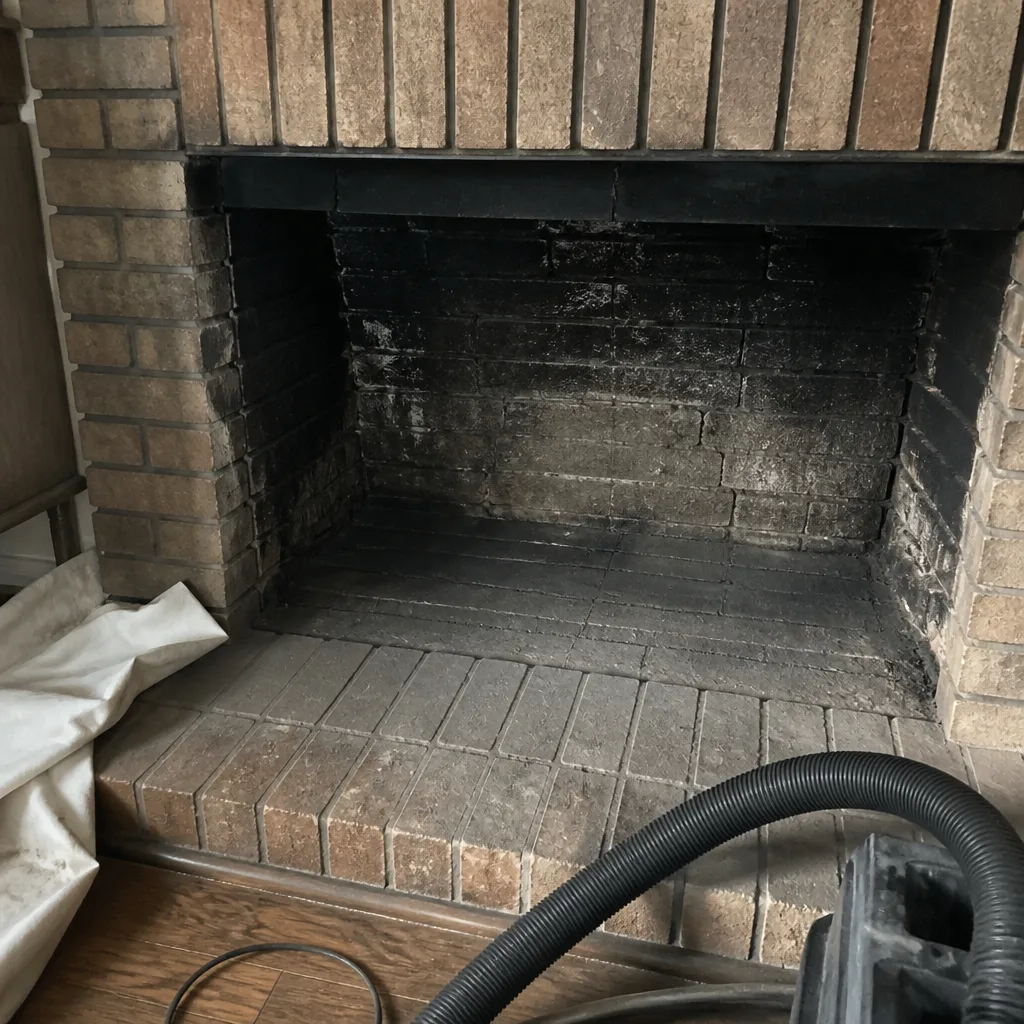
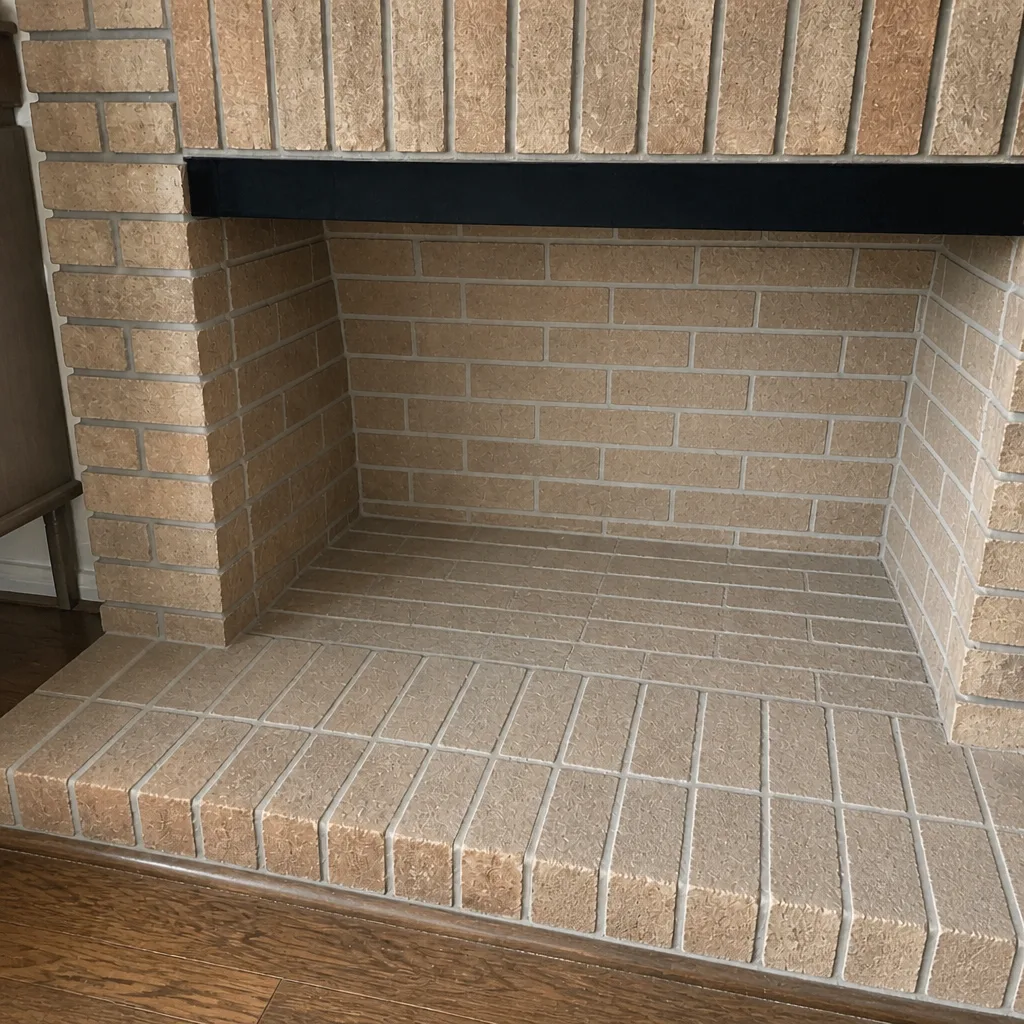
See the difference
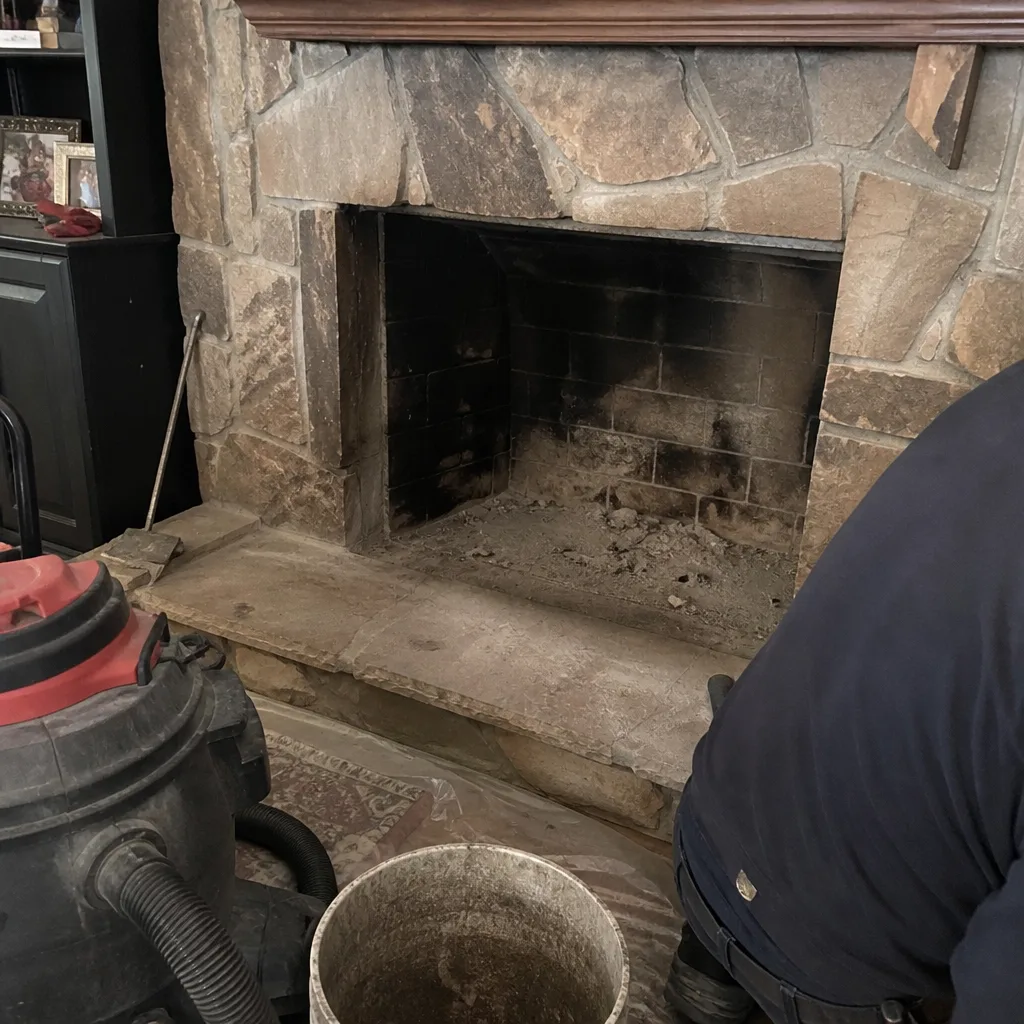 Before
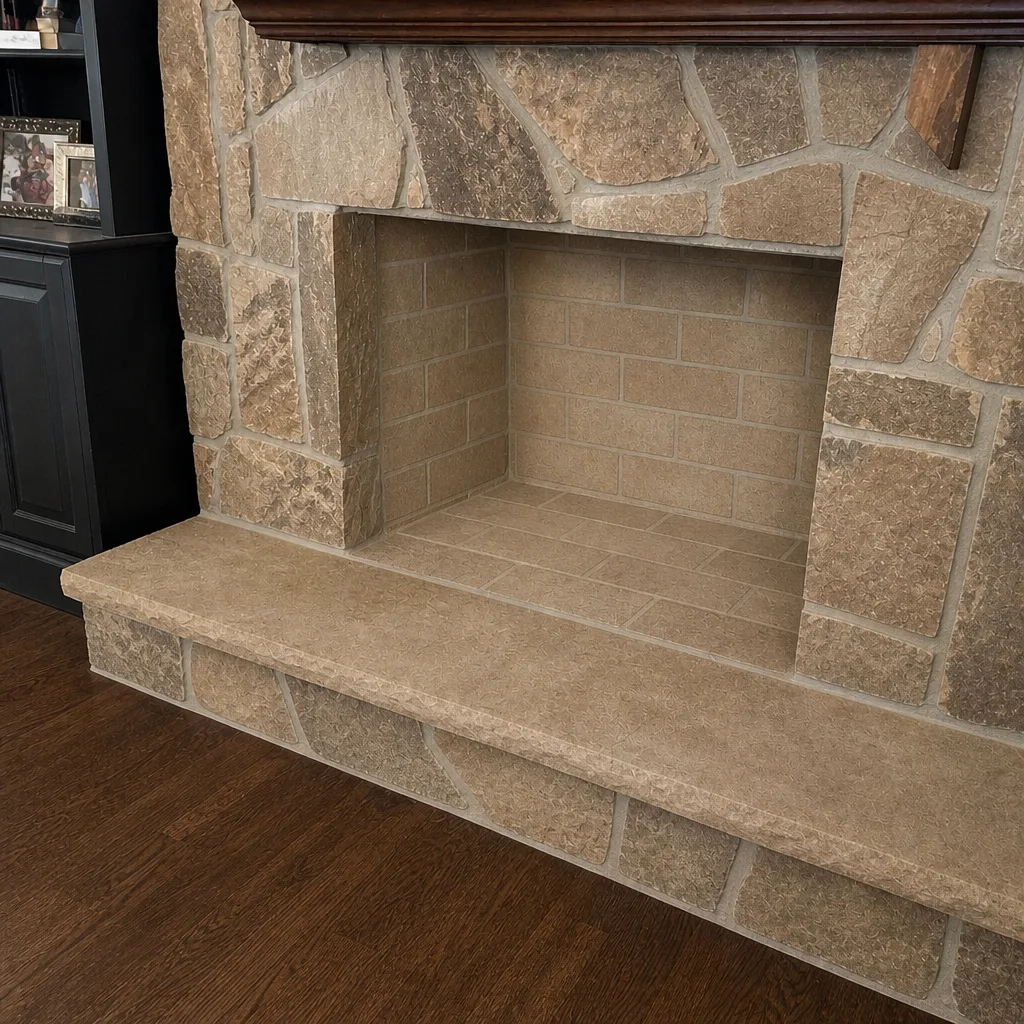 After
 Before
 After
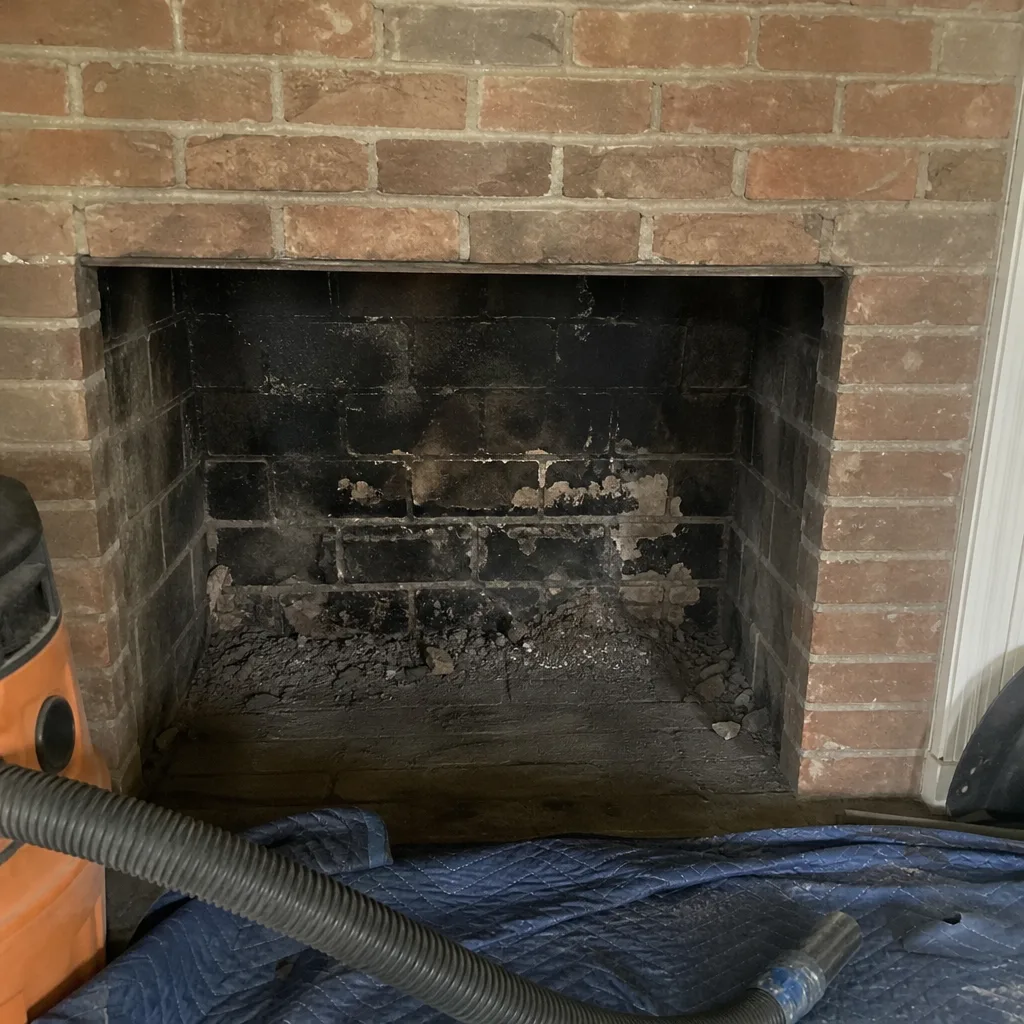 Before
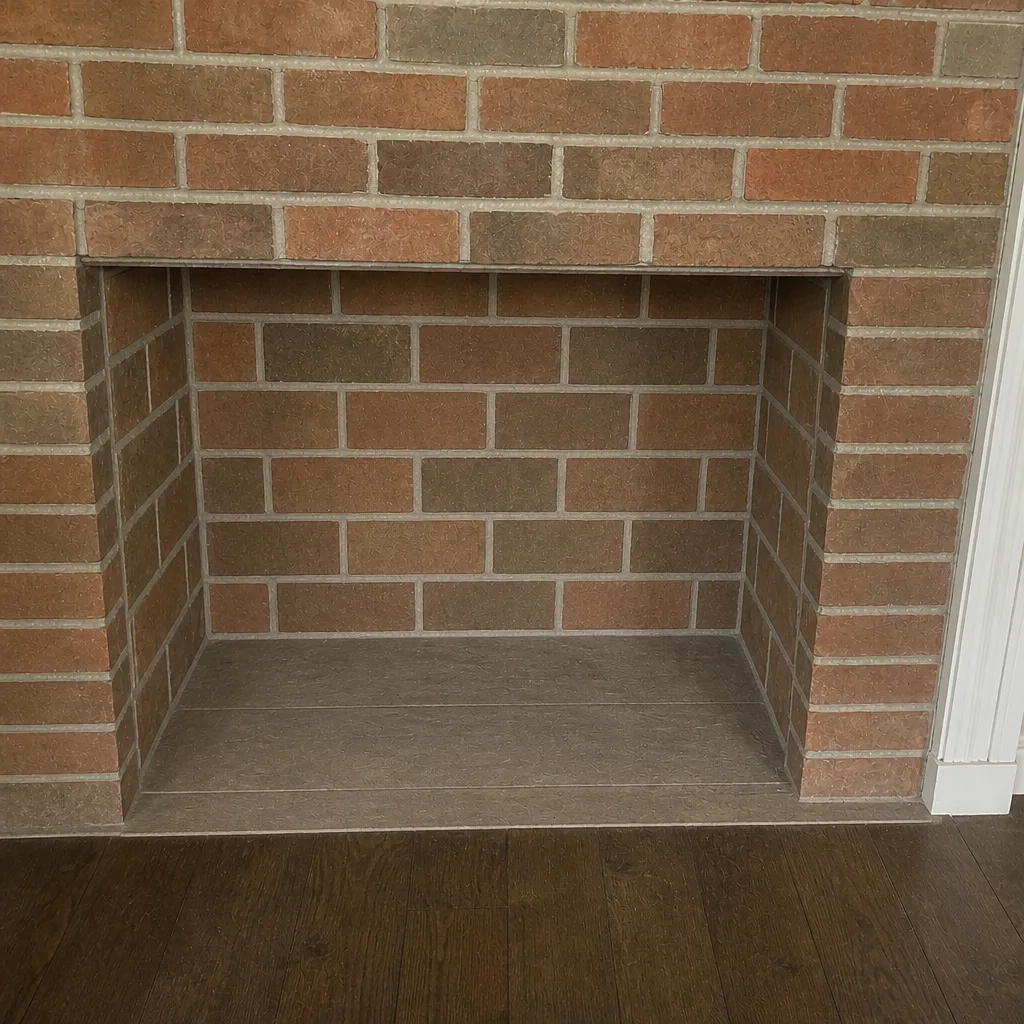 After
Frequently Asked Questions
Once a year is the baseline for a chimney you burn in regularly, and Madison’s humid climate is a reason to treat that as a minimum rather than a suggestion. Creosote absorbs moisture here and hardens faster than in drier regions, which means it reaches the dangerous glazed stage sooner. If you burn heavily or your flue shows heavy buildup, a professional can tell you whether you need to sweep more often. Call (855) 658-5258 to book a sweep and take the guesswork out.
Yes. Spring is when freeze-thaw damage from winter meets heavy rain, and moisture trapped in masonry moves deeper into the crown and mortar joints. A spring inspection catches that damage before it spreads. Scheduling cap, crown, and masonry repair in spring also gets you ahead of the fall rush.
Creosote keeps building on the flue walls, moisture keeps working into the masonry, and small cracks widen. A chimney fire or a carbon monoxide problem becomes more likely. None of it announces itself, which is why regular inspection and a year-round schedule matter. Call (855) 658-5258 for a free estimate before small damage turns into a rebuild.
An unused chimney still faces animal intrusion, vegetation, liner gap expansion in the heat, and moisture damage. It’s not maintenance-free just because there’s no fire. An inspection in summer tells you whether anything needs attention, and often the answer is “nothing urgent” – which is worth knowing.
Humidity speeds up creosote hardening and adds moisture to masonry, which worsens freeze-thaw damage in the colder months. That combination means Madison chimneys tend to need more consistent annual care than the same chimney would in a drier climate. A professional-grade HeatShield resurfacing or a DuraFlex reline can restore a flue that’s already suffered, without a full rebuild.
Stop burning if smoke rolls into the room, if you smell strong creosote with no fire going, or if the fire just won’t draw. These can signal blockage, a draft problem, or a damaged flue – and a blocked flue is a carbon monoxide risk. Pause use and call (855) 658-5258 for a free estimate. Fast dispatch from 7am to 7pm, Sunday through Friday.
The Bottom Line
Chimney care in Madison follows the seasons, and the seasons aren’t gentle. Spring is your inspection and moisture-repair window after freeze-thaw. Summer is for guarding against animals, vegetation, and liner gaps. Fall is the sweep, draft test, and damper work before the first fire. Winter is for monitoring – odor, smoke rollout, and knowing when to pause. And humidity ties it all together, pushing creosote to harden faster and making annual sweeping the floor, not the ceiling. A year-round schedule keeps a small repair from becoming a rebuild, and one specialist who handles crown to firebox keeps the whole system in one set of hands.
Ready to get your chimney on a schedule that fits Madison’s weather? Call (855) 658-5258 for a free estimate. We answer 24/7. Fast dispatch from 7am to 7pm, Sunday through Friday.
Written by the team at Madison Chimney Sweep Pros.