
Last updated November 24, 2026
 Sweep & inspection
 Caps & crowns
 Flue relining
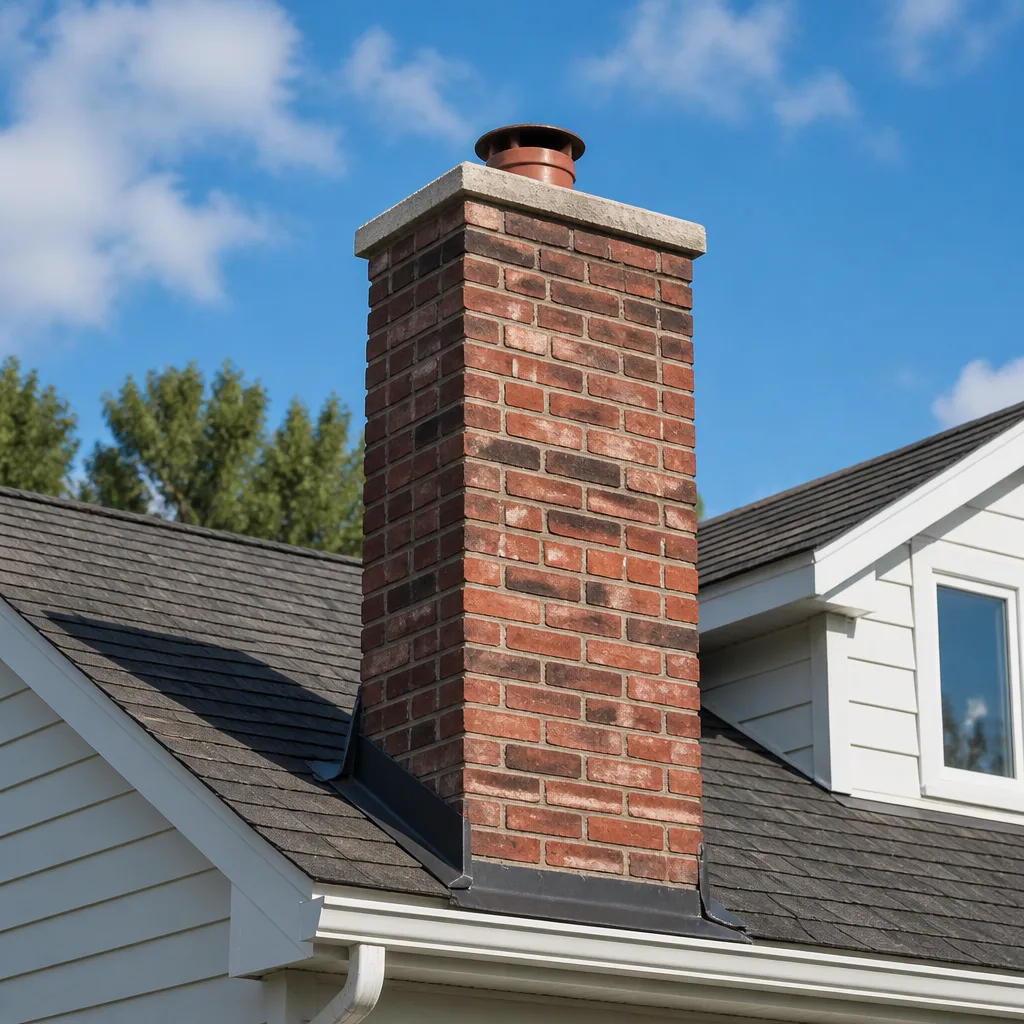 Masonry repair
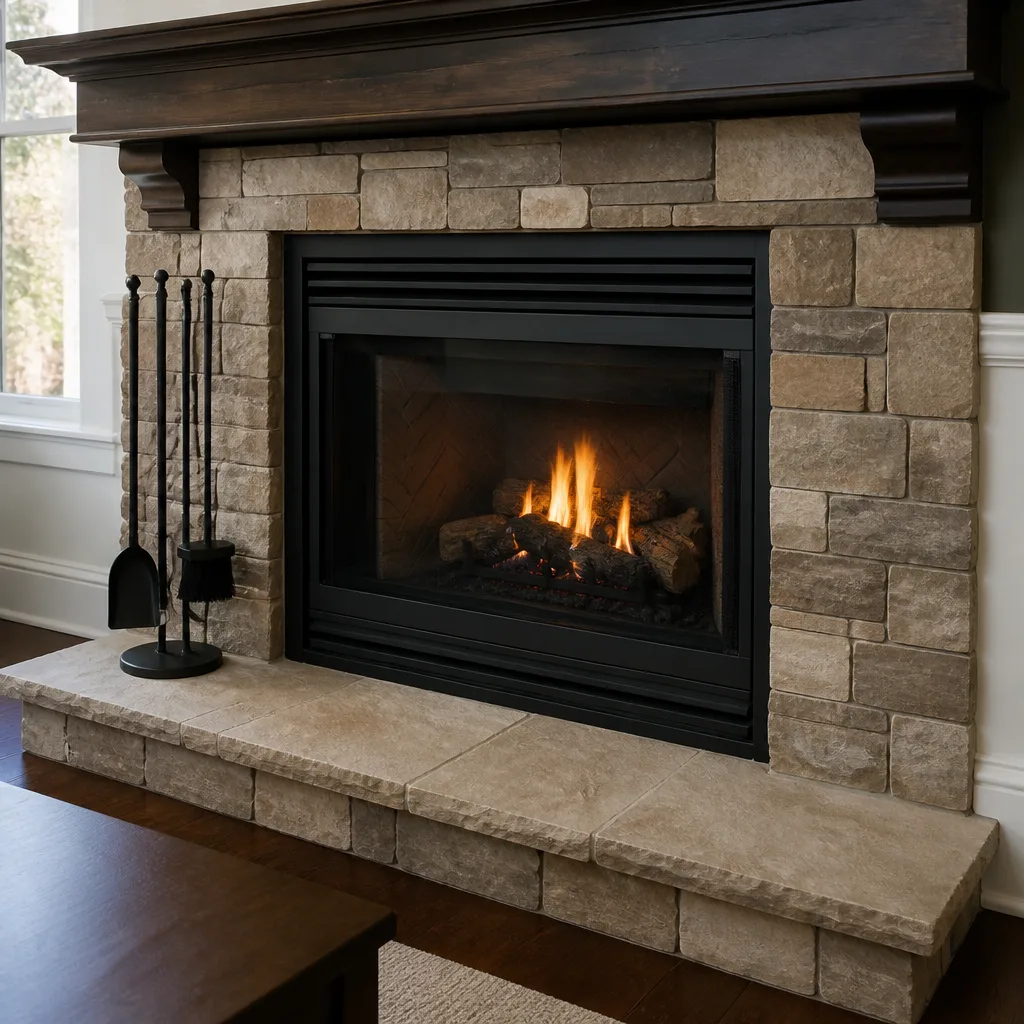 Gas fireplace service
Level 1 sweep and inspection to the NFPA 211 annual standard - flue, crown, cap, and flashing checked and photographed
Chimney sweep logs do not sweep chimneys. They loosen some creosote - which then falls where a brush and vacuum still have to collect it.
The Complete Guide to Chimney Cleaning in Madison
Most chimney fires start in chimneys that were swept last year. That sounds wrong until you understand that sweeping and cleaning aren’t the same job. A sweep knocks down what’s loose. A cleaning addresses what’s stuck: the glazed, tar-like creosote that bonds to the flue wall and ignites at temperatures a normal fire easily reaches. In Madison’s humid, mixed-housing landscape, that distinction matters more than in drier parts of the country. This guide covers what chimney cleaning actually involves, how NFPA 211 inspection levels work, why Middle Tennessee wood and weather change creosote behavior, and how to tell whether you need just a sweep or a full system service.
Styles & brands we work with
- Sweep & inspection
- Caps & crowns
- Flue relining
- Masonry repair
- Gas fireplace service
Quick Answer
Chimney cleaning in Madison means removing soot and creosote from the flue and firebox, then inspecting the chimney to NFPA 211 standards so you know whether it’s safe to burn. How often you need it depends on how much you burn, the wood you use, and how your chimney was built. Most wood-burning homes need a cleaning when the flue has about 1/8 inch of creosote buildup, and a professional inspection confirms the correct level of service. A sweep alone isn’t enough if the chimney has glazed creosote, a cracked liner, or a failing crown.
Table of Contents
- What Is Chimney Cleaning, Really?
- Why Middle Tennessee’s Humidity Accelerates Creosote
- Level 1, 2, and 3 Inspections: What Madison Homeowners Actually Need
- How Older Madison Homes Differ From Newer Builds
- How Tennessee Wood Species Change Creosote Formation
- What a Full-Service Cleaning Touches That a Sweep-Only Visit Skips
- What Happens During a Professional Cleaning
- Water Intrusion, Caps, and Crowns: The Damage You Can’t See
- Common Mistakes to Avoid
- When to Call a Professional
- Frequently Asked Questions
- The Bottom Line
What Is Chimney Cleaning, Really?
Chimney cleaning is the mechanical removal of combustion byproducts from the surfaces of your chimney system, followed by an assessment of what those surfaces tell you. The job has three parts. First, soot and creosote come out of the firebox, smoke chamber, and flue. Second, the technician checks the condition of the flue liner, damper, smoke shelf, and cap. Third, you get a written picture of what was found and what it means for the next burning season.
A quick sweep-and-vacuum addresses only part of that. What separates a real cleaning from a quick pass is attention to the smoke chamber and the smoke shelf – the sloped shelf above the damper where creosote and debris collect out of sight. A sweep-only visit may knock the flue down but leave the smoke chamber untouched, and that’s where a lot of stubborn buildup lives.
There are three types of creosote, and they matter:
- Stage one: light, flaky soot and dust. Brush-off with a standard sweep.
- Stage two: crunchy, sometimes layered creosote that sticks to the flue wall. Needs rotary brushing with the right attachment.
- Stage three: glazed, tar-like buildup, often shiny and hard as glass. Cannot be brushed off. Requires chemical treatment or liner resurfacing.
In Madison, we’ve learned to expect a mix of stage one and stage two on most calls, with stage three showing up more often in homes that burn green wood or let fires smolder overnight. Getting to stage three without knowing it is the real risk. It’s also why our chimney sweep service begins with an assessment of which stage you’re dealing with, not with a brush.
Why Middle Tennessee’s Humidity Accelerates Creosote
Creosote forms when wood smoke cools before it exits the chimney. The cooler and slower the smoke moves, the more of it condenses on the flue wall instead of leaving the stack. Middle Tennessee’s humid, mild, and highly variable weather is quietly working against almost every homeowner here.
Three things about this climate push the needle:
- Wood doesn’t dry as fast here. A split of oak left outside in Madison can take noticeably longer to reach a safe moisture level than the same split in Arizona. Wet wood means lower firebox temperatures and more smoke.
- A mild shoulder season. Warm days and cool nights encourage homeowners to burn short, cool fires – often damped down – which is the exact recipe for stage two creosote.
- Summer humidity slows chimney drying. Between burning seasons, moisture sets into masonry and cools the flue faster when you fire it up in late fall.
The practical translation is simple. A Madison chimney that would stay at stage one buildup for two seasons in a drier climate can reach stage two in one. If you’ve always assumed a yearly sweep is enough because “it worked in Colorado,” that assumption doesn’t carry over to this regional market. What you actually need is a cleaning schedule calibrated to how much you burn and how dry your wood is, plus an inspection that verifies what stage you’ve reached.
This is also why our technicians have up to 12 years of experience learning the local conditions. No national guide can look at your flue. The local conditions can only be read from the flue itself.
Level 1, 2, and 3 Inspections: What Madison Homeowners Actually Need
NFPA 211 defines three levels of chimney inspection. Most homeowners have heard the terms but not what separates them. Here’s how they actually work:
Level 1 Inspection
A visual check of all readily accessible portions of the chimney: the firebox, damper, smoke chamber, flue (as far as visible), and the exterior cap and crown. It’s appropriate when you’re continuing to use the chimney as before with no changes to fuel, appliance, or structure. In our experience, a Level 1 belongs with an annual or seasonal cleaning for a simple wood-burning fireplace.
Level 2 Inspection
Everything in a Level 1, plus a video scan of the flue interior and access to hidden portions of the chimney (inside wall cavities, attics, and crawlspaces where reachable). A Level 2 is required when you’ve had a chimney fire, when you’ve changed fuel type or appliance, when you’re buying or selling a home, or when a Level 1 finds something ambiguous. In practice, about half of the older masonry chimneys we open in Madison need a Level 2 to say anything meaningful about liner condition.
Level 3 Inspection
Everything in a Level 2, plus removal of parts of the chimney structure when necessary to reach suspected damage – a wall covering, a crown, or interior masonry. A Level 3 is rare and almost always driven by a specific suspected problem from a Level 2. Nobody should recommend one without a Level 2 video to justify it.
Which level does a Madison homeowner actually need?
- Annual cleaning on a chimney with no known history: Level 1.
- Home built before 1980, purchased in the last couple of years, or fired through a recent chimney fire: Level 2.
- Suspected structural damage, liner displacement, or an unresolved problem from a Level 2: Level 3.
If you’re unsure which applies, our Madison Chimney Sweep Pros team will recommend a level after a visual review. A Level 2 is done with a camera, and you get to see the footage. That matters: an inspection should lead to a fix, not just a report.
How Older Madison Homes Differ From Newer Builds
Madison has a broad housing stock. There are postwar ranch homes, mid-century brick builds, and newer construction scattered across the same neighborhoods. The pre-1980 masonry homes have chimney conditions that a newer build simply doesn’t share.
What we typically see in the older homes:
- Clay tile liners with mortar joints between sections. That’s normal for the era, but the joints degrade with heat cycling and moisture. A horizontal crack between two tiles is easy to miss without a camera.
- Oversized flues. Older fireplaces were often built to serve a big firebox with a wide flue. That sounds generous, but a large flue cools smoke faster, and cooler smoke deposits more creosote.
- Spalling brick from water intrusion. Decades of freeze-thaw cycles and a failing crown turn masonry faces into powder. Once the brick face starts to spall, the chimney mass is compromised.
- Smoke chamber construction that predates modern standards. The smoke chamber above the damper was often parged with rough mortar, which holds creosote like a sponge and cannot be brushed clean.
Newer builds have their own issues – thinner walls, factory-built fireplaces with specific manufacturer requirements, and sometimes pre-fabricated flues that need only the correct chimney cap and crown to stay dry. But the repair scopes are different. On a pre-1980 masonry chimney, HeatShield resurfacing can restore a deteriorating smoke chamber or flue without a full rebuild. On a modern factory-built system, the answer is often to confirm the liner spec and keep the cap sealed.
If your home sits anywhere near the older residential streets in Madison, plan on a Level 2 the first time a technician opens it. The information gained is usually the difference between a straightforward cleaning and a repair recommendation you didn’t see coming.
How Tennessee Wood Species Change Creosote Formation
The species you burn affects creosote formation as much as the wood’s moisture content. Two examples dominate in Madison firewood:
Oak and hickory are dense hardwoods. They throw more heat per cord, burn longer, and produce a dry, hot fire that pushes smoke out of the flue efficiently – which deposition-wise is good news. But because they burn hot and slow, they often get damped down for overnight fires. Damping down an oak or hickory fire holds heat in the firebox, cools the smoke, and deposits stage two creosote in a slow, methodical way. Hot and long does not mean clean.
Pine and other softwoods are often dismissed in Tennessee as firewood. They burn fast and hot and produce a lot of resinous smoke if not fully dry. That resin is a different chemical beast than hardwood creosote, and it bonds to the flue faster when wet. In our experience, pine is fine if it’s properly seasoned and you’re not smoldering it, but a dinner-plate of pine sap in the firebox is worth meeting with a real cleaning, not a quick brush.
For any species, seasoning is the lever. Firewood worth burning in Madison needs to be split, stacked with airflow, covered on top only, and kept that way for at least a full season. If you can’t tell whether a split is dry, knock two pieces together. A sharp clack is close to ready. A dull thud means the wood is still wet and will cost you in creosote.
What a Full-Service Cleaning Touches That a Sweep-Only Visit Skips
This is where most homeowners learn the difference between sweeping and cleaning. A sweep-only visit reduces soot. A full-service cleaning reduces soot and identifies conditions that a sweep won’t touch. Here’s the split:
What a sweep-only visit typically covers
- Brushing the accessible flue length
- Vacuuming the firebox and ash pit
- A visual glance up the flue
What a full-service cleaning adds
- Rotary brushing calibrated to the creosote stage found
- Cleaning of the smoke chamber and smoke shelf – the deposit trap most sweeps miss
- Level 1 inspection, or a Level 2 video scan when warranted
- Cap and crown assessment, including drip edge and mortar joint condition
- Damper function check and firebox brick inspection
- A written summary with a photo record of what was found
Famco and Olympia Chimney components are our go-to when a cleaning uncovers a cap or crown issue that needs a fix on the same visit. Gelco seals handle small masonry joint issues. Those products matter because they’re the same professional-grade materials certified chimney specialists specify – not retail substitutes. When the cleaning reveals a bigger problem, we talk you through the actual options, including when work can safely wait.
The heart of our fireplace repair work begins at this stage. A cleaning that surfaces a warped damper, a smoking firebox, or a cracked firebrick is the right moment to plan the fix – not after a second winter of use.
What Happens During a Professional Cleaning
The process is designed so nothing in your home gets dirty. Here’s the sequence a professional cleaning follows:
- Prep the work area. Drop cloths, floor protection, and a sealed HEPA vacuum connection at the firebox. The whole job is contained.
- Inspect before you clean. A visual check and – when warranted – a camera scan of the flue. You don’t brush before you know what you’re brushing.
- Brush the flue. Rotary brush heads matched to the flue size and creosote stage. A stage two buildup uses a different head than a routine sweep.
- Clean the smoke chamber and smoke shelf. This is the part that contract-cleaning services skip. It requires access through the damper and a specific tool head.
- Vacuum the system. Every loosened deposit that goes into the vacuum is a deposit that doesn’t enter your living space.
- Check the cap and crown. Damage here is the leading cause of long-term chimney failure, and it’s findable in a routine visit.
- Provide a written summary. What we found, what needs attention now, what can wait, and what to watch next season.
The whole job usually runs between one and two hours for a straightforward cleaning. It takes longer if the flue is at stage three. Our team works through this sequence methodically because the process is the product. Skipping a step is how you end up with a “clean” chimney that starts smoking in February.
Water Intrusion, Caps, and Crowns: The Damage You Can’t See
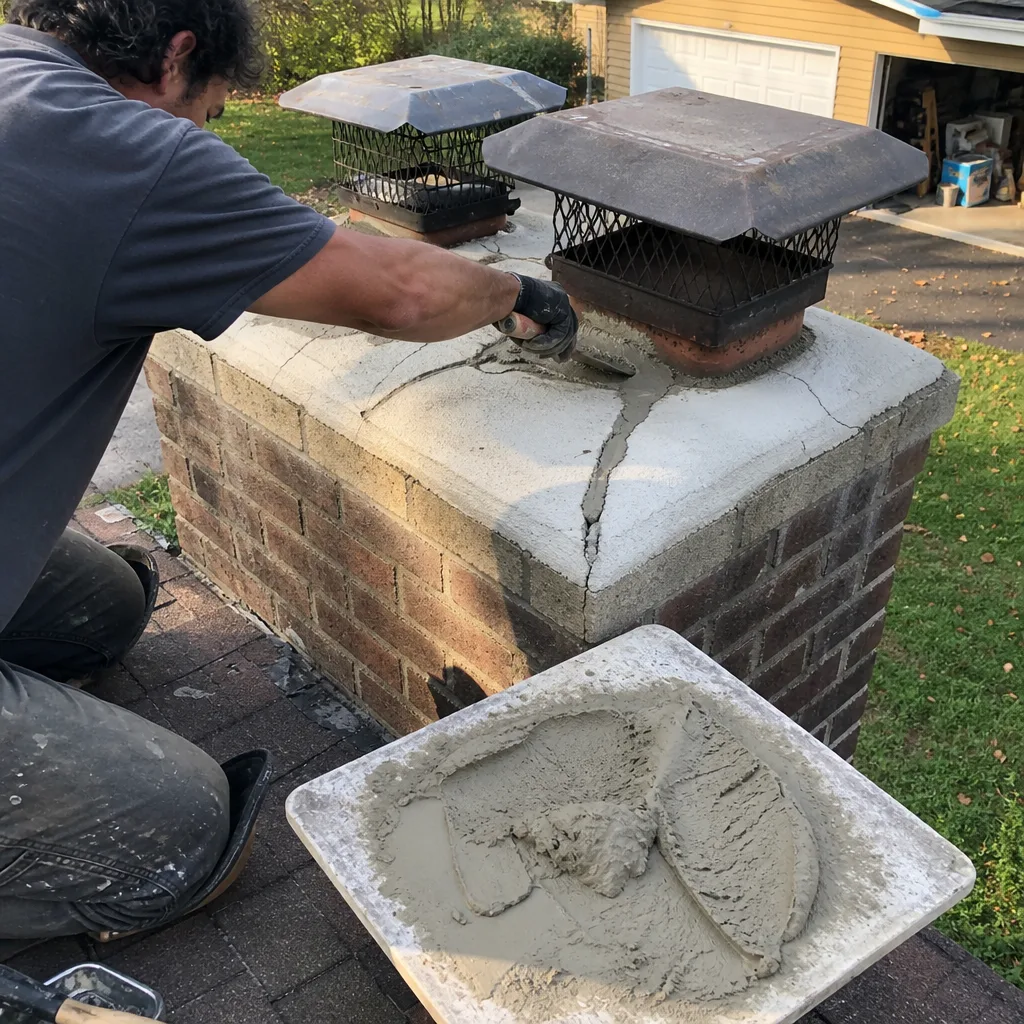
Water is the single biggest cause of long-term chimney damage, and most of it enters through the top. A chimney cap keeps rain and animals out of the flue. A chimney crown – the concrete slab at the top of the stack – sheds water off the masonry. When either fails, the consequences are slow and structural.
What a failing cap or crown looks like:
- Water stains or efflorescence (white powdery deposits) on the exterior masonry
- Rust streaks, or a rusted damper that doesn’t open smoothly
- Spalling brick faces – the front face of a brick flaking off
- A crown with cracks wider than a hairline, or a crown that no longer overhangs the chimney wall
- Water in the firebox after heavy rain
In Madison’s climate, freeze-thaw cycles turn every hairline crack into a bigger one. The masonry absorbs water in the fall, the temperature drops below freezing, and the ice expansion shears the brick face. Two or three winters of that and a repair is no longer a caulk job.
Our chimney cap & crown service is a dedicated one, not an afterthought. Copperfield crowns and Olympia Chimney caps are what we specify for most Madison installs because they’re built for the local weather rather than to a minimum spec. When a cleaning finishes and the cap looks sound, we say so and leave it. When it doesn’t, we show you what we’re seeing.
Common Mistakes to Avoid
These are the recurring issues we see on first-time calls in Madison:
- Assuming an annual sweep is enough. A yearly brush without a camera check misses the smoke chamber and the liner joints, and accumulates two winters of unseen creosote. The sweep itself is fine; the assessment is what’s missing.
- Burning without checking moisture content. A cheap moisture meter is one of the best investments a wood-burning homeowner can make. Wood over about 20% moisture is a creosote factory in this climate.
- Damping down fires overnight. A smoldering fire deposits more creosote than three hot fires. If you want overnight heat, burn dry hardwood and let the fire cool naturally into coals rather than choking the air supply.
- Skipping the cap. A cap is inexpensive compared to a chimney liner repair. If your chimney has no cap, that’s a fixable gap that is worth closing during the next cleaning.
- Trusting a sweep that won’t show you the camera footage. A Level 2 scan is not a mystery. You should be able to watch it and ask questions. A technician who won’t share the video isn’t giving you a real inspection.
- Letting a creosote-glazed flue wait. Stage three creosote doesn’t degrade on its own. It sits in the flue until the next fire reaches ignition temperature. That’s the scenario you’re trying to avoid.
- Confusing a factory-built fireplace with a masonry chimney. Factory-built systems have manufacturer-specific liner and cap requirements. Standard masonry cleaning tools or caps are not always the right fit, and a generalist who treats every chimney the same will miss this.
When to Call a Professional
Call a professional if any of the following is true: you’ve never had the chimney inspected, it’s been more than a year since the last cleaning, you’ve had a chimney fire (even a small one), you notice smoke entering the room when you burn, you smell a strong creosote odor on warm days, the damper is stiff or won’t close, water is getting in after rain, or the exterior masonry shows cracks, spalling, or rust streaks. Those conditions don’t fix themselves and none of them are worth troubleshooting by trial and error. If you’re not sure, book an inspection. If the inspection comes back clean, you’ll know for next season. If it doesn’t, you’ll have the camera footage to see what needs attention and when. Madison Chimney Sweep Pros offers free estimates in Madison. Call (855) 658-5258. We answer 24/7. Fast dispatch from 7am to 7pm, Sunday through Friday.
Frequently Asked Questions
Chimney cleaning in Madison is billed per job by written estimate, because the price depends on the flue length, the creosote stage, and whether an inspection or repair is added. You’ll get a flat-price quote agreed before booking, and the estimate itself is free. Call (855) 658-5258 for an exact quote – estimates are free, and you’ll know the scope before anyone starts work.
Most Madison wood-burning homeowners need a cleaning once a year or once per cord of wood burned, whichever comes first. The humid climate can push stage two creosote faster than in drier regions, so an annual inspection is the safer baseline. If you burn pine or green wood, or you’ve had a chimney fire in the past, plan on a Level 2 inspection the first year. Call (855) 658-5258 to book an inspection.
Not always. A new liner is only needed when the flue has cracked clay tiles, displaced sections, or stage three glazed creosote that can’t be resurfaced. HeatShield resurfacing extends the life of a deteriorated flue without a full rebuild in many cases, and DuraFlex liner systems are the option when the existing flue has to be replaced. You don’t need a new liner until a camera confirms the problem. Nothing is recommended without footage you can see for yourself. Call (855) 658-5258 for an assessment.
Skipping a cleaning lets creosote build up in stages, and stage three glazed creosote can ignite at temperatures a normal fire reaches. That’s the chimney fire risk – not a hypothetical, and it doesn’t announce itself. A slower, quieter consequence is water damage from a failing cap or crown, which can compromise the masonry over several winters. Neither problem needs a story to be real. Call (855) 658-5258 for a cleaning and inspection.
A sweep removes loose soot from the accessible flue. A full cleaning removes soot plus the smoke chamber and smoke shelf deposits, and includes an inspection with a written report. The two jobs are different scopes and different outcomes. If your last “sweep” didn’t come with a camera view and a written summary, that’s the difference between a check and a cleaning. Call (855) 658-5258 to book a full cleaning.
A Level 2 isn’t only for post-fire situations. It’s also warranted when you’ve changed fuel type, installed a new appliance, bought the home within the last couple of years, or when the chimney is a pre-1980 masonry build with unknown liner condition. In Madison’s older housing stock, a Level 2 is often the only way to know what’s actually inside the flue. Call (855) 658-5258 and we’ll tell you which level your chimney needs.
The Bottom Line
Chimney cleaning in Madison is not a seasonal checkbox. It’s a system assessment. The humid climate accelerates stage two creosote, the pre-1980 masonry homes need camera verification most sweeps don’t provide, and oak, hickory, and pine all deposit creosote on their own timelines. A level of service matters: a sweep-only visit misses the smoke chamber, the liner joints, and the crown, and those are where the expensive problems start. Get the inspection that leads to a fix. Get the cleaning that matches the creosote stage. And when the camera shows a liner, cap, or crown issue, get it addressed before the next freeze-thaw cycle. Our technicians have up to 12 years of experience, and we handle the full chimney system – from crown to firebox – with professional-grade product lines including DuraFlex, HeatShield, Gelco, Olympia Chimney, Famco, and Copperfield.
Call (855) 658-5258 for a free estimate. We answer 24/7. Fast dispatch from 7am to 7pm, Sunday through Friday.
Written by the team at Madison Chimney Sweep Pros.
See the difference
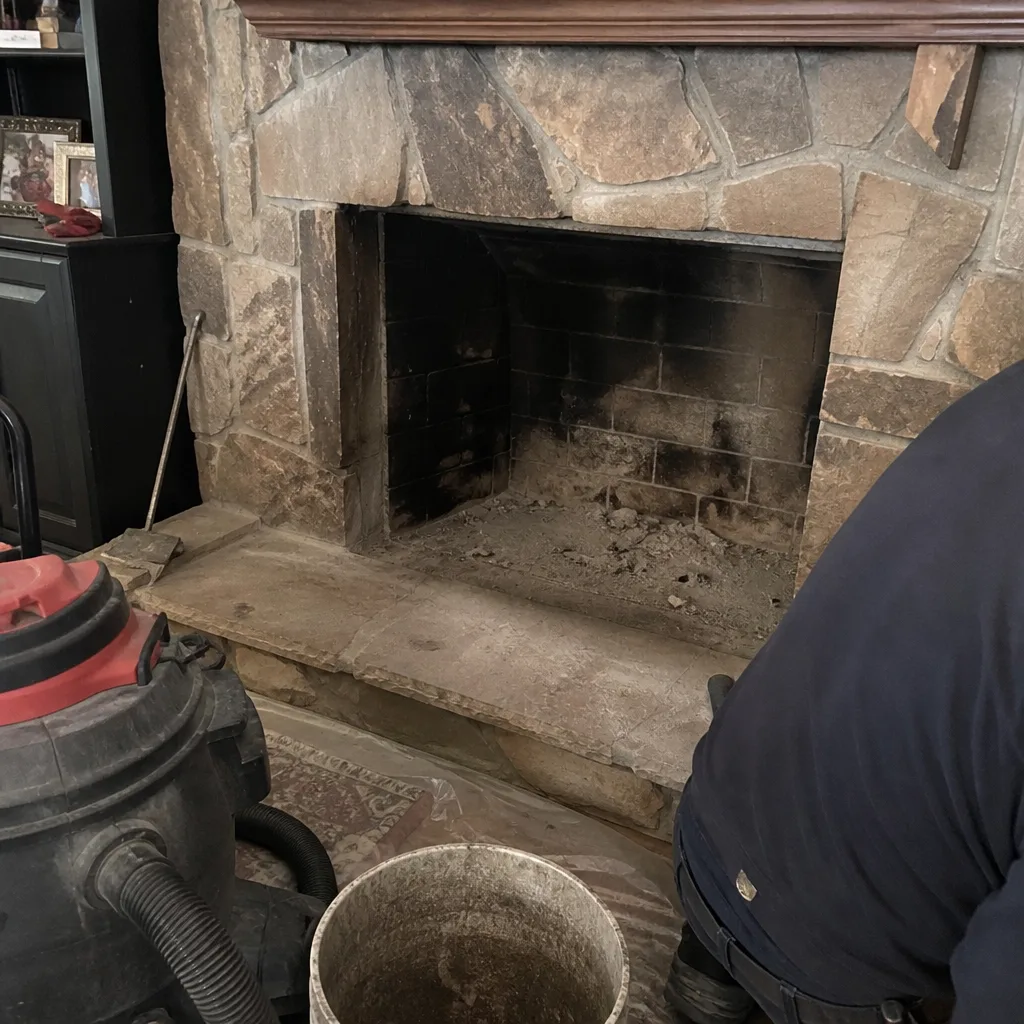 Before
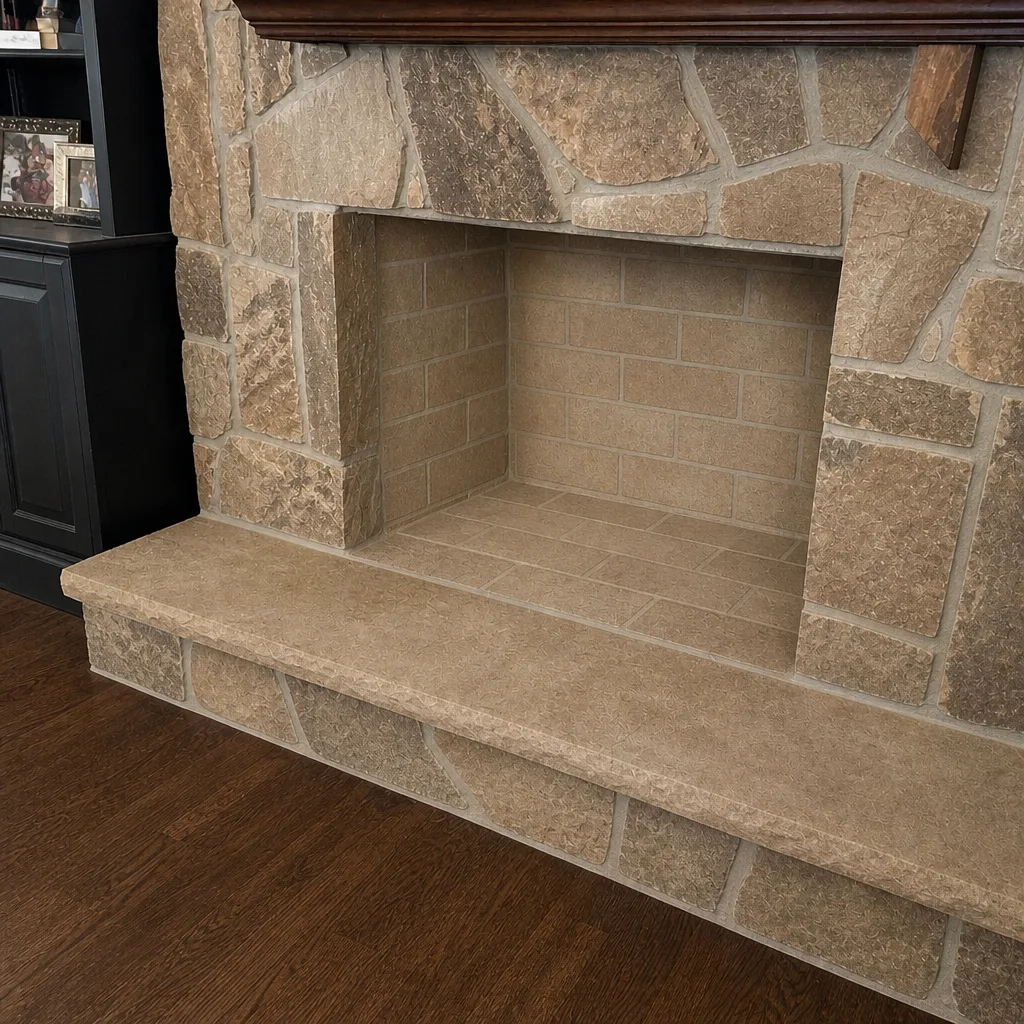 After
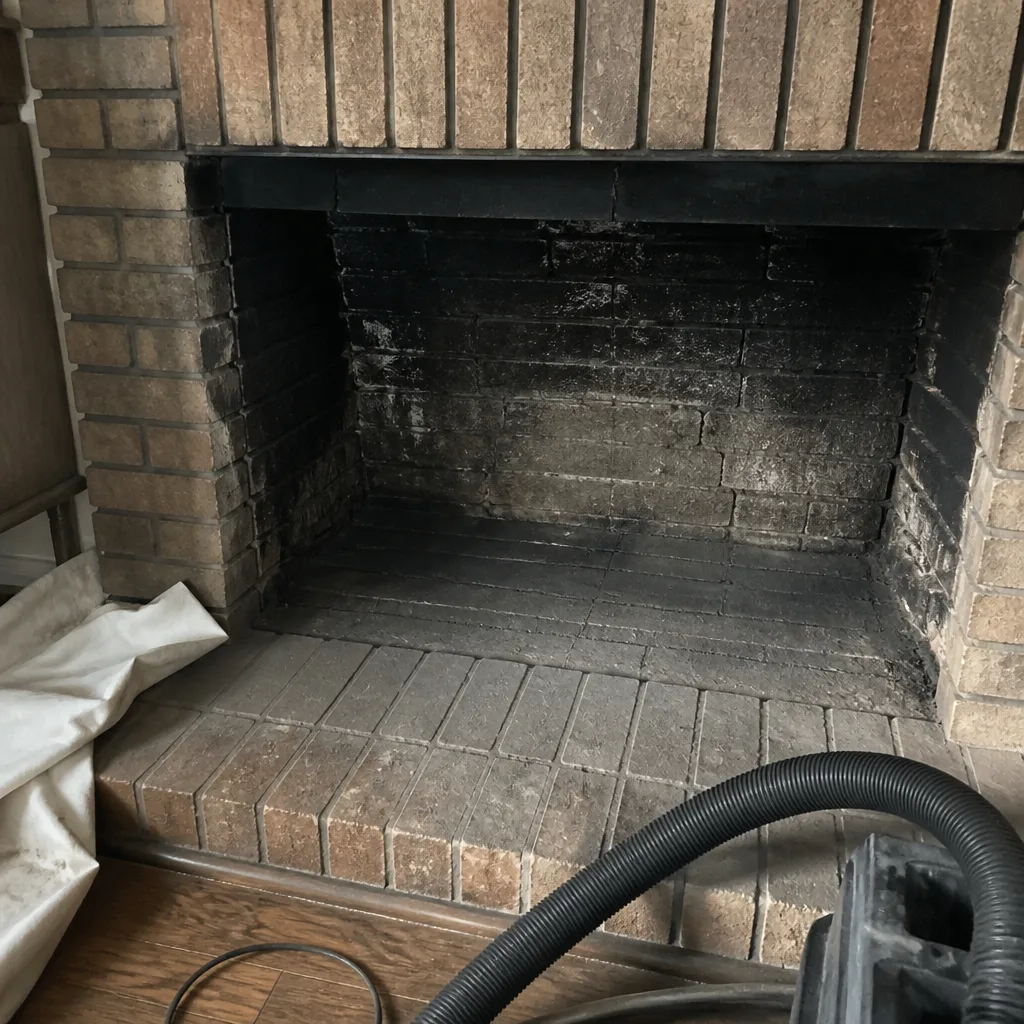 Before
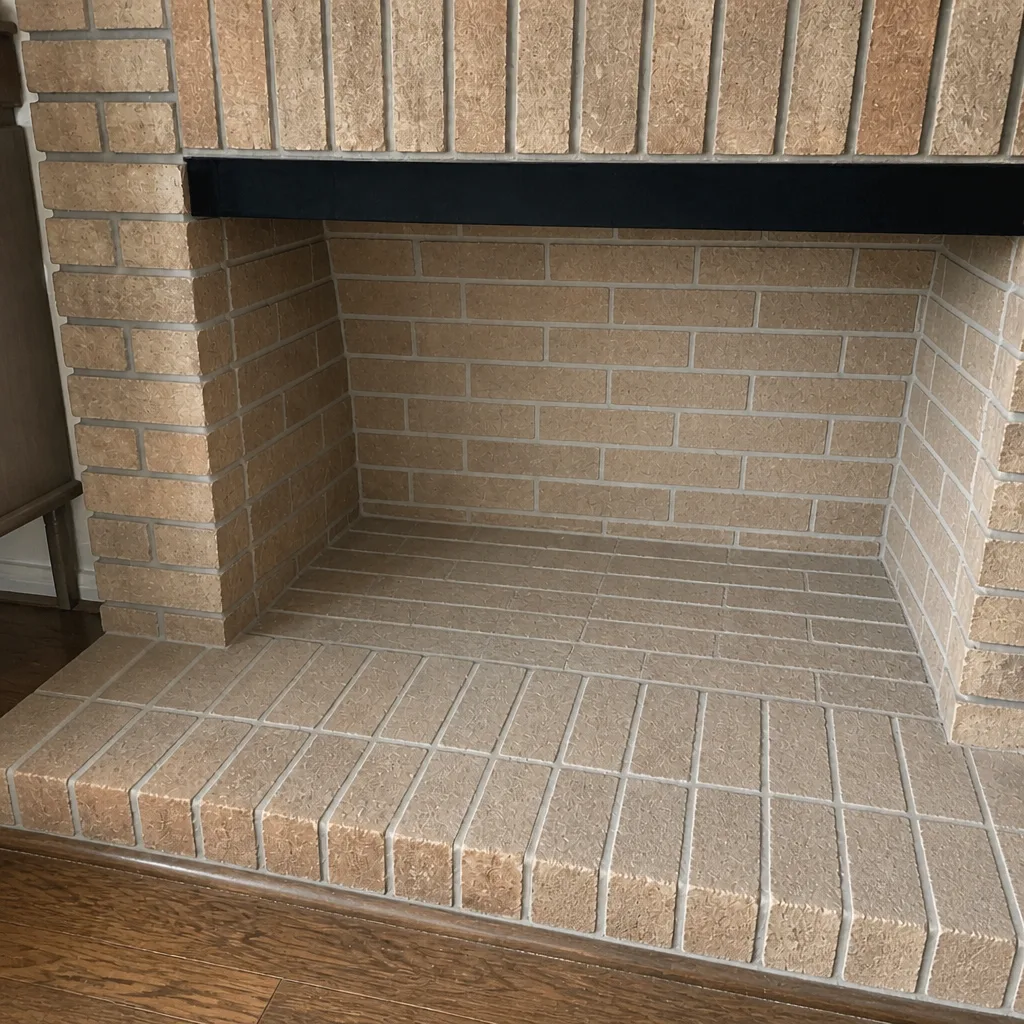 After
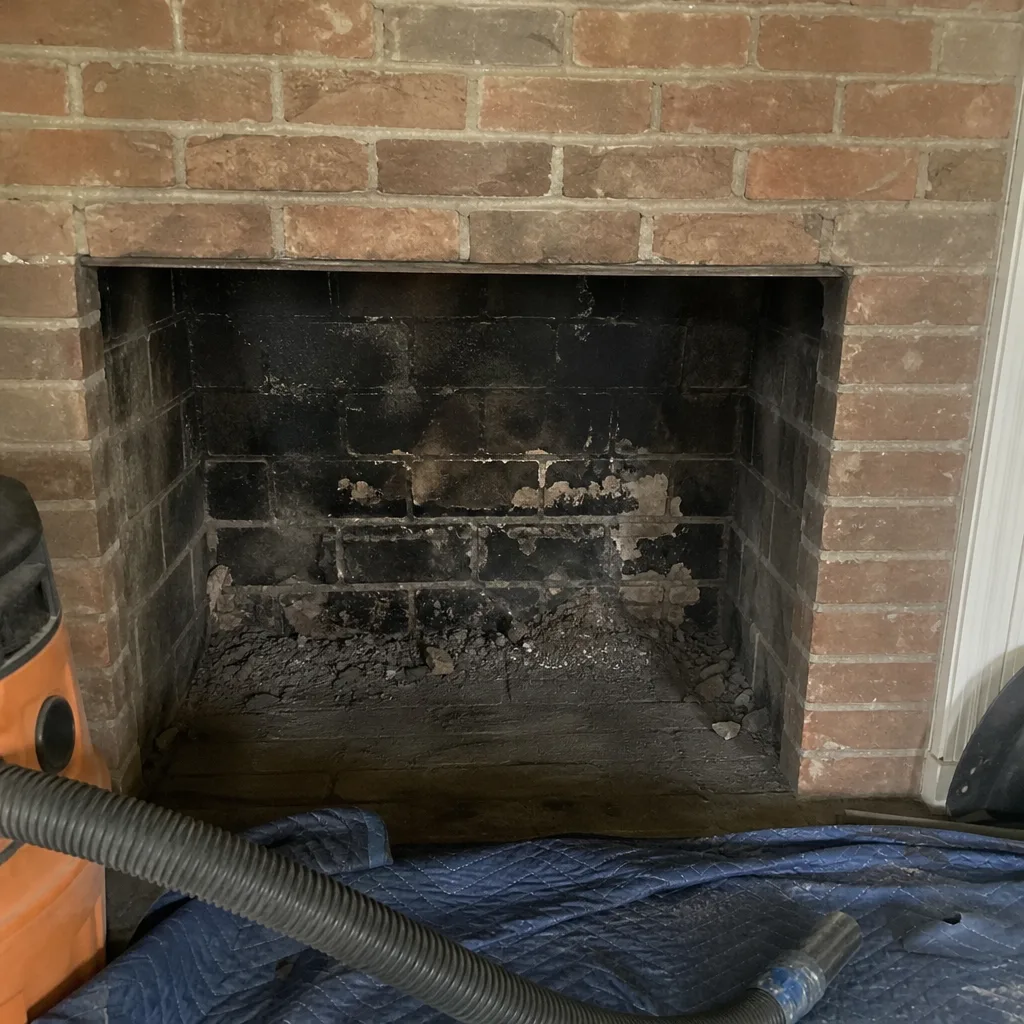 Before
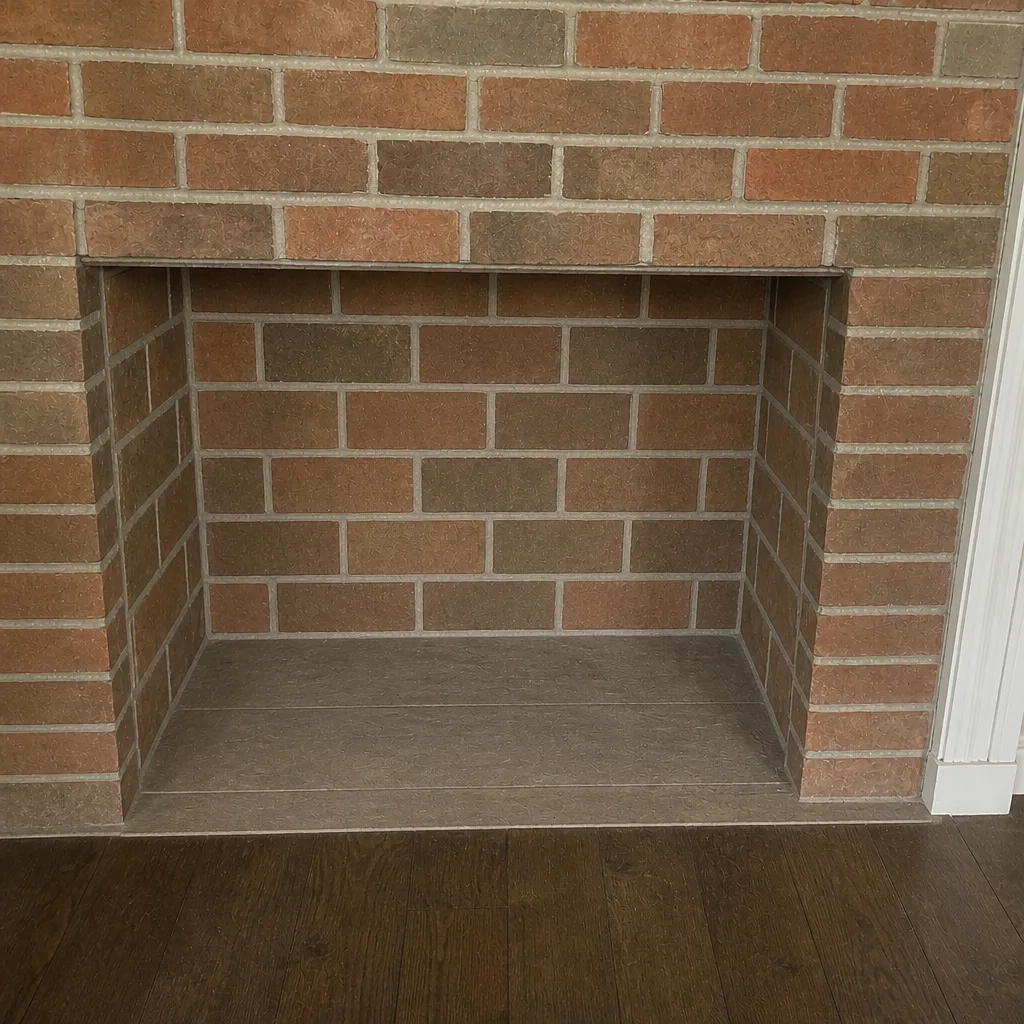 After