
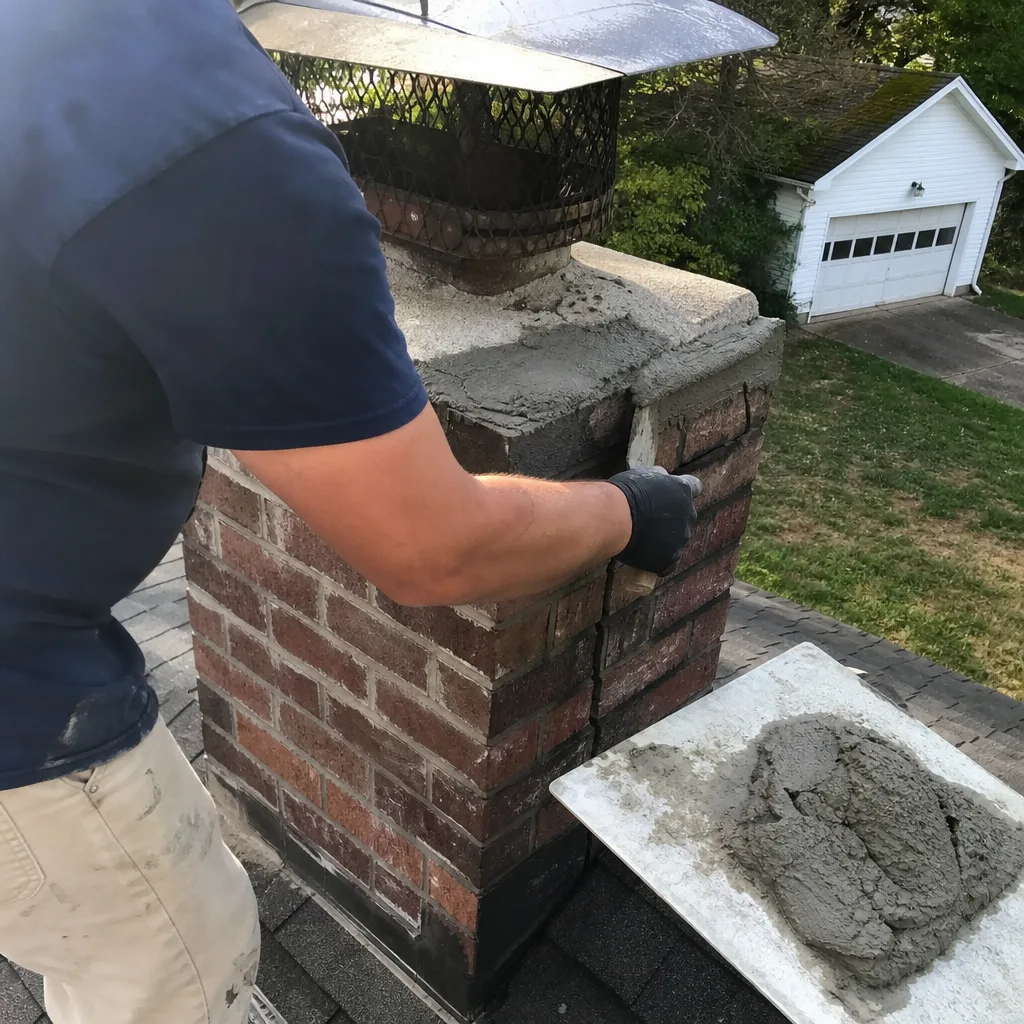
Last updated November 24, 2026
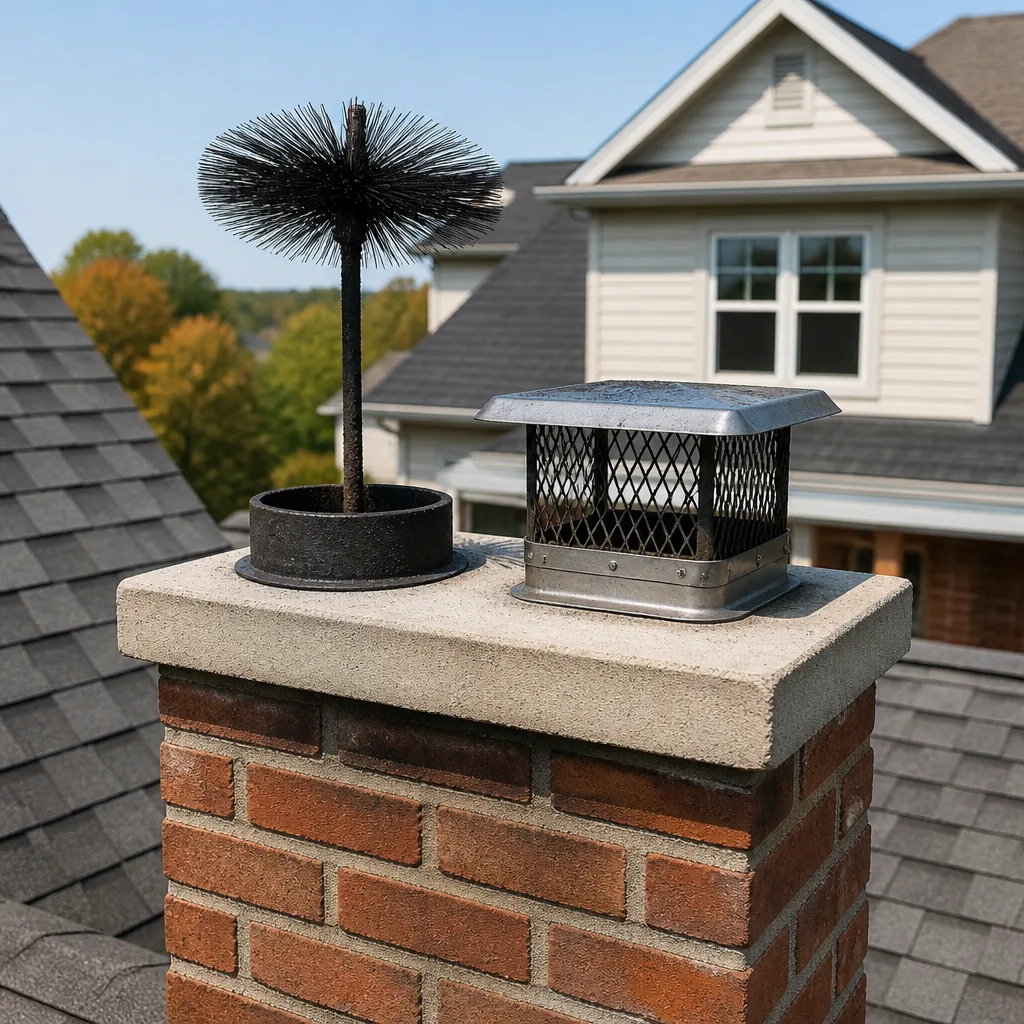 Sweep & inspection
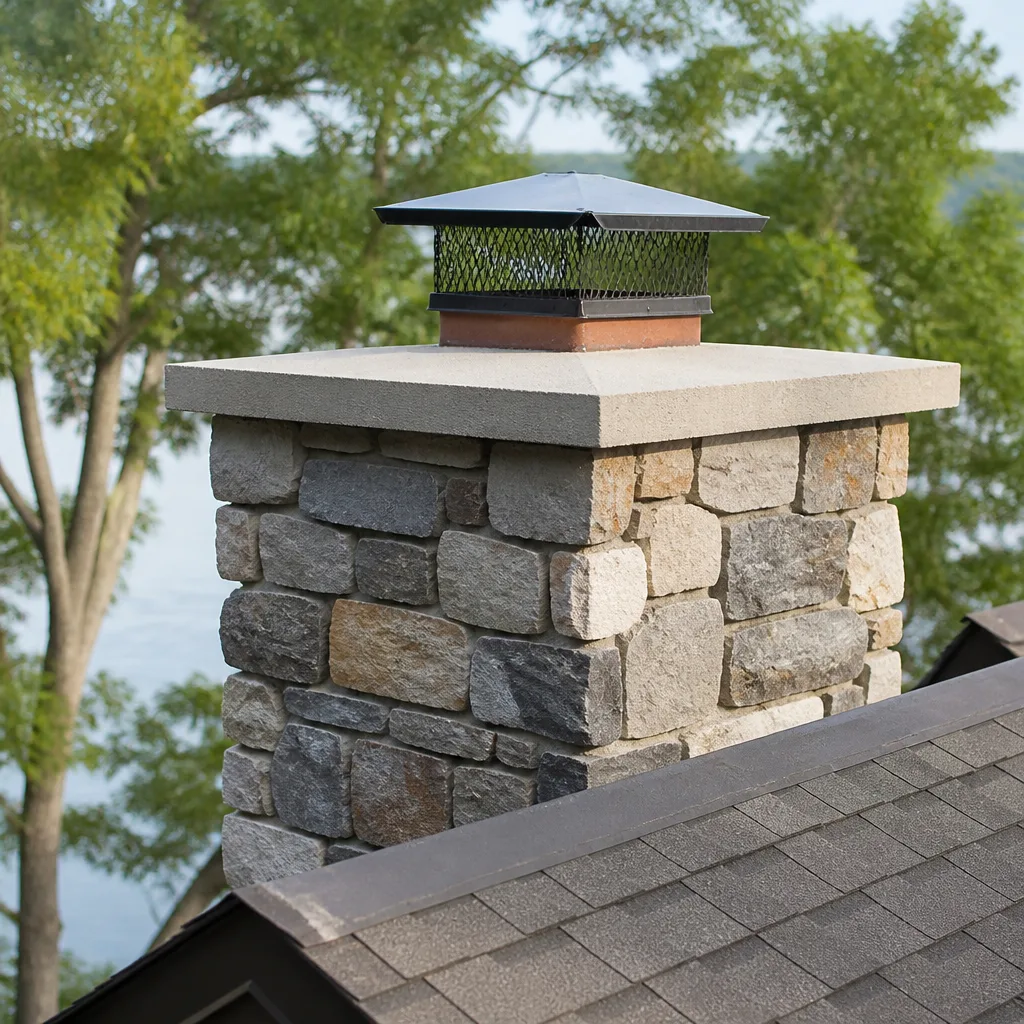 Caps & crowns
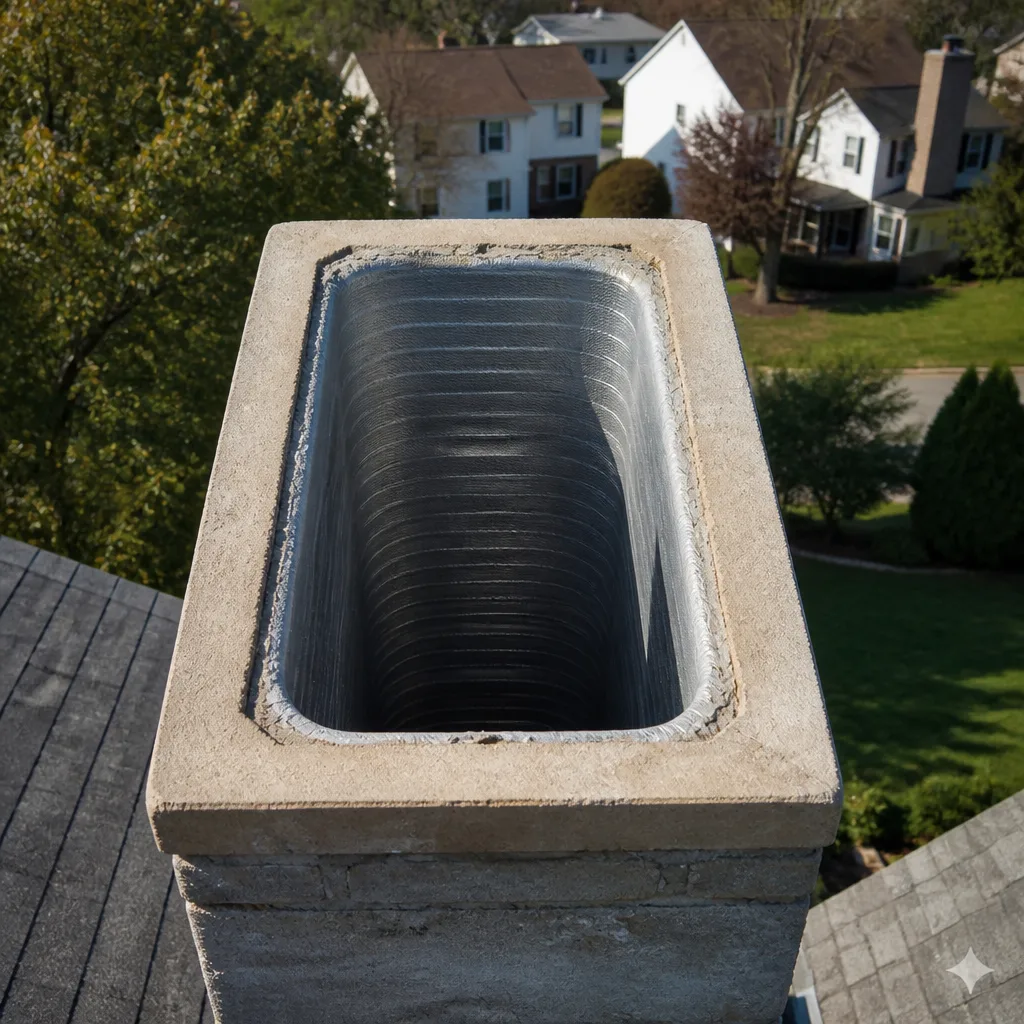 Flue relining
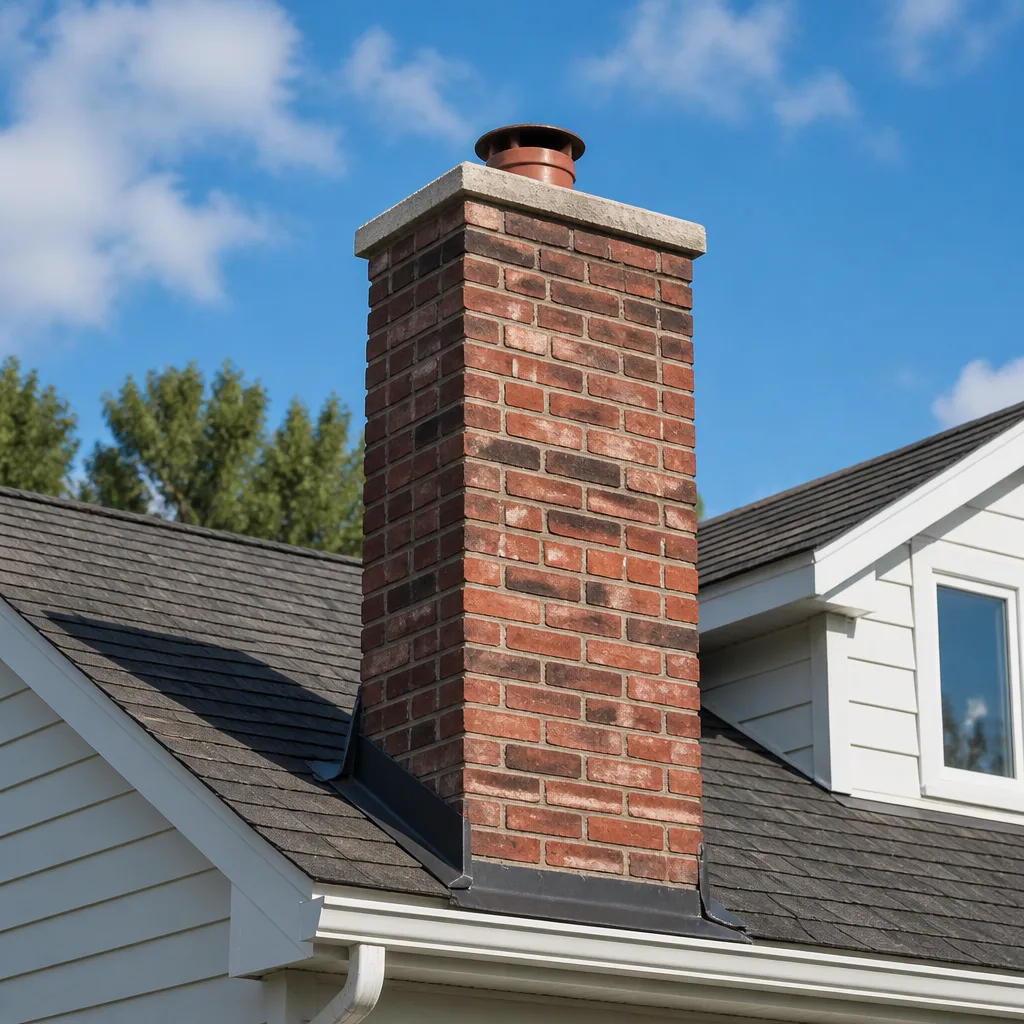 Masonry repair
 Gas fireplace service
Level 1 sweep and inspection to the NFPA 211 annual standard - flue, crown, cap, and flashing checked and photographed
Chimney sweep logs do not sweep chimneys. They loosen some creosote - which then falls where a brush and vacuum still have to collect it.
DIY vs Professional Chimney Cleaning: The Madison Homeowner’s Decision Guide
Chimney brushes and rods are cheap and sold at nearly every hardware store, so the cleaning part looks like the whole job. That’s the misconception. The reason a professional shows up with a camera, a draft gauge, and inspection mirrors rather than just a brush is that cleaning without assessment is exactly how chimney fires start in systems the homeowner believed were maintained. A brush removes what you can reach. It says nothing about what’s happening inside the flue, the smoke chamber, or behind the damper. In this guide we’ll draw the honest line between what you can do yourself and what needs a trained eye, explain how creosote stages change the answer, and give Madison homeowners a clear way to decide before the heating season starts.
Quick Answer
DIY chimney cleaning is reasonable only for light stage-1 soot in a straight, accessible flue – and only if you’ve had a professional inspection confirm the flue is sound. For anything involving stage-2 or stage-3 creosote, a liner you can’t see, a smoke chamber, or a wood stove insert, professional cleaning is the right call because the risk isn’t the sweeping – it’s the diagnosis you’d be skipping. A homeowner with a brush can remove loose soot; a professional visit includes a liner camera scan, smoke chamber assessment, draft testing, and written documentation that protects you if anything goes wrong later.
Styles & brands we work with
- Sweep & inspection
- Caps & crowns
- Flue relining
- Masonry repair
- Gas fireplace service
Table of Contents
- What a homeowner can actually accomplish with consumer tools
- The diagnostic steps that only happen during a professional visit
- How creosote stages decide whether a brush is the right tool
- When DIY cleaning is genuinely reasonable
- When DIY cleaning creates a false sense of safety
- What proper documentation gives you that a DIY clean cannot
- Madison-specific considerations for your chimney
- Cost, frequency, and what to expect on a professional visit
What a homeowner can actually accomplish with consumer tools
A consumer chimney brush, a set of fiberglass rods, a drop cloth, and a shop vac will remove loose, dry soot from the accessible part of a straight flue. That’s the honest ceiling. If your flue is a plain vertical run with a wide cleanout door and no offset, and the buildup is what we’d call light stage-1 – powdery, flaky, and easy to brush loose – a careful homeowner can knock it down and vacuum it out. That’s real work, and it has real value.
What consumer tools generally can’t handle: a flue with an offset or a bend, a metal liner with a smaller diameter than the brush, a wood stove insert, a smoke chamber above the damper, a firebox with a heat exchanger, or a masonry flue with a rough interior that traps glazed deposits. Household brushes also come in one or two sizes, and forcing an oversized brush down a liner can scour it. We’ve seen liners damaged that way.
What a consumer tool kit typically covers
- Loose, dry soot in a straight flue
- The firebox floor and the lower smoke shelf you can reach
- The damper area, if it opens fully and you can see it
- Ash removal from the firebox
What it doesn’t cover
- The full length of the flue interior, top to bottom
- Liner seams, cracks, or gaps you can’t see
- The smoke chamber, which you can’t reach from either end
- Draft measurement or carbon monoxide testing
- A cap, crown, or flashing check from the roof
If your situation lands in the second list, a professional chimney sweep is the way to go – not because the brush is inadequate, but because the visit is about much more than the brush.
The diagnostic steps that only happen during a professional visit
The cleaning is the visible part of a professional chimney appointment. The diagnostic work is what actually matters. When we visit a Madison home, the sweep and the assessment happen together. Here’s what a proper visit includes beyond the brushing:
- Liner camera scan. A camera on a flexible rod runs the full length of the flue. We’re looking for hairline cracks, gaped seams, offset misalignments, and the tell-tale staining that shows moisture has been getting in. A clay tile liner can look perfect from the firebox and be fractured forty feet up.
- Smoke chamber assessment. The smoke chamber is the sloped space above the damper and below the flue. It’s the part of the chimney most prone to creosote buildup because gases slow and cool there. It doesn’t get brushed from the top or the bottom, so it needs a mirror and a light. Parging it smooth is often the fix, and it’s part of our fireplace repair scope.
- Draft and carbon monoxide testing. A draft gauge tells us whether the chimney is actually pulling. If it isn’t, combustion gases – including carbon monoxide – can come back into the room. A CO reading at the firebox confirms what the draft test suggests.
- Creosote classification. We grade what we find. Stage 1, 2, or 3 determines the tool and the urgency. More on that below.
- Roof-level exterior check. Cap, crown, flashing, and mortar joints, all viewed from the roof. Water intrusion from a failed cap or crown is one of the leading causes of long-term chimney damage, and it doesn’t show up on a firebox-level inspection.
- Photo documentation. Every finding gets a photo. You see what we see.
That’s the real value gap between DIY and professional. The brush part is interchangeable. The diagnostic part is not.
How creosote stages decide whether a brush is the right tool
Creosote forms when wood smoke cools before it exits the flue. It accumulates in three stages, and the stage determines whether a brush is even the correct tool – let alone whether a homeowner can use one safely.
Stage 1: Soot and flaky creosote
Powdery, dry, and easy to brush off. This is what a consumer brush is designed to remove, and it’s the only stage where a careful homeowner has a reasonable shot at a complete cleaning. Stage 1 becomes stage 2 the longer it sits and the more it stacks up.
Stage 2: Glazed creosote
Hard, shiny, and bonded to the flue wall. It looks a bit like black glass. A standard brush will skate over it and leave it in place. Removing stage 2 requires specialized tools – rotary whips, chemical treatments, or both – and in our experience it’s beyond what consumer kits can do. If stage 2 is on the flue wall and a homeowner runs a brush through and considers the job done, the risk is higher than before, because the homeowner sleeps better about a chimney that’s still dangerous.
Stage 3: Cracked, puffball creosote
Puffy, cracked, and highly combustible. It’s the most dangerous stage and can only form when stage 2 has been left in place long enough to build up. Stage 3 is a fire waiting for a spark. There’s no DIY path here. It’s a professional job, often alongside a flue resurfacing or a reline.
Creosote stage and what it means for the DIY question
- Stage 1: A consumer brush may handle it if the flue is straight and accessible; professional inspection still recommended for the rest of the system.
- Stage 2: Consumer brush won’t remove it. Professional tools required. Reline or resurface may be needed after.
- Stage 3: Professional only. Often signals a liner or flue that needs structural attention. Not a case where waiting is safe.
Here’s the catch: a homeowner can’t reliably tell one stage from another without getting a camera and a light inside the flue. From the firebox you see a dark tube. The difference between “we’re fine” and “one spark from trouble” lives behind that darkness.
When DIY cleaning is genuinely reasonable
We want to be honest with Madison homeowners: there are legitimate cases for doing it yourself. If you burn dry, well-seasoned wood in a traditional open fireplace a few times a week, and you had a professional inspection confirm the flue is sound and clean last season, a mid-season brush of loose soot is unlikely to cause harm – provided you do it carefully and don’t skip the annual inspection.
The DIY case that actually holds up looks like this:
- You burn seasoned wood, not green or unseasoned, and not trash, cardboard, or pine in volume.
- You had a professional inspection within the last year that confirmed the flue and smoke chamber were in good condition.
- Your flue is a straight vertical run, accessible from top and bottom, with no offset.
- You’re cleaning up light stage-1 soot, not glazed deposits.
- You’re careful with drop cloths, a respirator, and goggles, and you keep a fire extinguisher nearby.
- You accept that this does not replace an annual inspection by a professional.
Notice that the list assumes a professional inspection already happened. That’s the honest truth most DIY content skips. Even a “safe” DIY clean depends on someone qualified having confirmed the system is sound in the first place. If you haven’t had an inspection, you don’t know what stage you’re in or whether the liner is intact, and the DIY clean becomes guesswork with a dangerous upside.
When DIY cleaning creates a false sense of safety
The real hazard isn’t a homeowner doing an imperfect job. It’s a homeowner doing an imperfect job and believing the chimney is safe. That false confidence is what we see most often in the field, and it’s the reason we keep saying the same thing to Madison homeowners: cleaning is not inspection.
Situations where DIY cleaning is risky enough that we’d steer you to a professional:
You have a gas or oil appliance
A gas flue doesn’t produce creosote the same way wood does, but it does produce acidic condensate and CO. A DIY brush job says nothing about whether the liner is sound or the draft is correct. Gas and oil need a professional assessment, full stop.
You have an insert or a wood stove
Inserts and stoves are harder to sweep correctly and often require removing the appliance or its baffle to reach the flue. Getting this wrong means leaving the most vulnerable section – right above the stove collar – untouched.
You’ve had a chimney fire, even a small one
After any chimney fire, you need a professional inspection. Heat can crack clay tiles and warp metal liners in ways you cannot see. A brush doesn’t help. A camera does.
You’ve noticed glazed or puffy deposits
If you can see stage 2 or stage 3 creosote from the firebox, the flue almost certainly has more further up. Consumer tools won’t move it, and brushing over it is more dangerous than not touching it.
Your liner is older than you think
Clay tile liners installed decades ago develop cracks. A metal liner installed without the right alloy for the appliance – for example, a stainless that isn’t rated for the fuel type – degrades prematurely. Neither problem shows up in a mirror from the firebox. Only a camera scan finds it.
You’ve never had an inspection
If you don’t know the current condition of your flue, doing your own cleaning removes the only chance you’d have had to find out this season.
What proper documentation gives you that a DIY clean cannot
A professional sweep visit produces a record. A DIY clean produces a memory. Those are not the same thing, and the difference matters when something goes wrong.
Documentation from a professional Madison visit typically includes:
- A written inspection report with photos of the flue, smoke chamber, firebox, cap, crown, and any findings.
- A creosote classification – stage, location, extent.
- A record of what was cleaned and what was found. If a liner crack shows up later, you have a dated baseline to compare against.
- Insurance defensibility. Most homeowner policies treat chimney fires and smoke damage as claims requiring a maintenance history. A stack of inspection reports from prior years goes a long way toward showing the chimney was properly maintained.
- Warranty coverage. If we install a DuraFlex liner, resurface a flue with HeatShield, or install a cap and crown, the warranty on that work depends on documented maintenance. A DIY clean between professional visits is fine – skipping the professional visit is not.
That last point is worth sitting with. A cap and crown installed properly, a liner installed with a professional-grade product like DuraFlex, a flue resurfaced with HeatShield – these are investments in the chimney’s lifespan. The warranty behind them assumes the system is being maintained and inspected by someone qualified. A DIY homeowner is, from the warranty’s perspective, an unknown.
Water intrusion is the other reason document matters. If you have a chimney cap & crown installation coming, we want to check what’s already inside the flue before we put a lid on it. The inspection record tells us what condition we’re protecting.
Madison-specific considerations for your chimney
Madison homes – older neighborhood stock around the Amqui and Rivergate areas included – tend to fall into a few patterns that shape the DIY question. Many of the older brick fireplaces were built with clay tile liners that have since developed cracks or offset joints. Winter temperature swings cause masonry to expand and contract, and freeze-thaw cycles work on the crown and mortar joints more than most homeowners realize. That’s why a cap and crown check matters as much as the flue clean in this climate.
Madison sees enough cold weather and enough burning that creosote accumulates the way it does anywhere in Middle Tennessee – no worse, no better – but the humid summers here push any existing water intrusion into the flue faster than a dry climate would. A crown that’s cracking lets rain sit against the flue tile, and that accelerates liner degradation. DIY cleaning doesn’t touch that. A roof-level check does.
Housing stock matters too. Vintage fireplaces often have a smoke chamber that was never parged smooth at construction – an older masonry practice – which gives creosote more surface to cling to and makes the smoke chamber more prone to stage-2 buildup. Newer construction with prefab fireplaces and metal liners comes with its own rules: many manufacturers specify a professional inspection at intervals and an appliance-specific liner material. Consumer brushes that are safe in a clay tile flue are often too aggressive for a thin metal liner.
If your Madison home has a wood stove or insert that came with the house, we’d strongly recommend a professional visit before you burn it for a season. You don’t know what the previous owner’s maintenance looked like, and a DIY clean won’t tell you.
Cost, frequency, and what to expect on a professional visit
Every professional visit is priced per job by a written estimate, not by a flat rate off a menu. The estimate reflects the actual condition of the chimney – a light stage-1 sweep on a straightforward flue is a different job than a stage-3 creosote removal with a smoke chamber parge and a cap replacement. The written estimate sets the final price. Estimates are free.
Frequency depends on use. As a general rule, a chimney that sees regular wood burning should be inspected and cleaned annually – before the burning season is the natural time. If you burn heavily, or if you notice any draft problem, smoke spilling into the room, or increased creosote buildup, an inspection sooner than the annual interval makes sense.
What to expect on a professional visit
- Pre-visit prep. We lay drop cloths and confirm access to the firebox, damper, and roof.
- Pre-sweep inspection. Cameras, mirrors, and lights before any brushing, so we know what we’re dealing with.
- The sweep itself. Rods and brush in a size matched to the flue, plus specialty tools for anything stage 2 or above.
- Post-sweep camera scan. We go back in with the camera to confirm the flue is clean and to check for damage the brushing might have revealed.
- Draft and CO testing. A reading at the firebox tells us the system is pulling properly.
- Roof-level check. Cap, crown, flashing, mortar, and flue tile at the top.
- Photo report and written findings. What we found, what we did, and what (if anything) needs attention – and what can safely wait.
We work with professional-grade product lines – DuraFlex liners, HeatShield resurfacing, and Gelco, Olympia Chimney, Famco, and Copperfield components – because the materials matter more than most homeowners are told. A liner isn’t a liner. A cap isn’t a cap. The same product lines certified chimney professionals specify end up on the chimney for the long haul.
Common Mistakes to Avoid
- Skipping the inspection because the clean looks fine. A brush removes soot. It doesn’t tell you whether the liner is cracked. Every year we see chimneys that were “cleaned” recently and still had stage-2 creosote or liner damage the homeowner never saw.
- Using the wrong brush size. Too large scours a metal liner. Too small misses the flue walls. Consumer kits usually carry one or two sizes because they’re not matched to your flue – a professional brushes to fit the appliance and the liner inside it.
- Cleaning a chimney that’s had a fire without inspecting it first. Heat can weaken tiles and metal in ways you can’t see. The brush tells you nothing. Only a camera does.
- Burning green or unseasoned wood in Madison’s humid summers. It accelerates creosote buildup going into the heating season. The DIY-versus-pro question is a moot point if the fuel quality guarantees stage 2.
- Treating a roof-level problem as a firebox problem. A cracked crown under a rusty cap lets water into the flue from above. You’ll never see it from below. Cap and crown checks need to happen from the roof.
- Removing a cap to brush, then reinstalling it wrong. A misaligned cap or a crown that gets cracked during the DIY process leaves the flue open to water and animals. That’s a bigger repair than the one you were trying to save.
- Filing the receipt and never looking at it again. A written inspection report is worth its weight when the insurance company asks for maintenance history. Keep the reports, keep the photos, keep the record.
See the difference
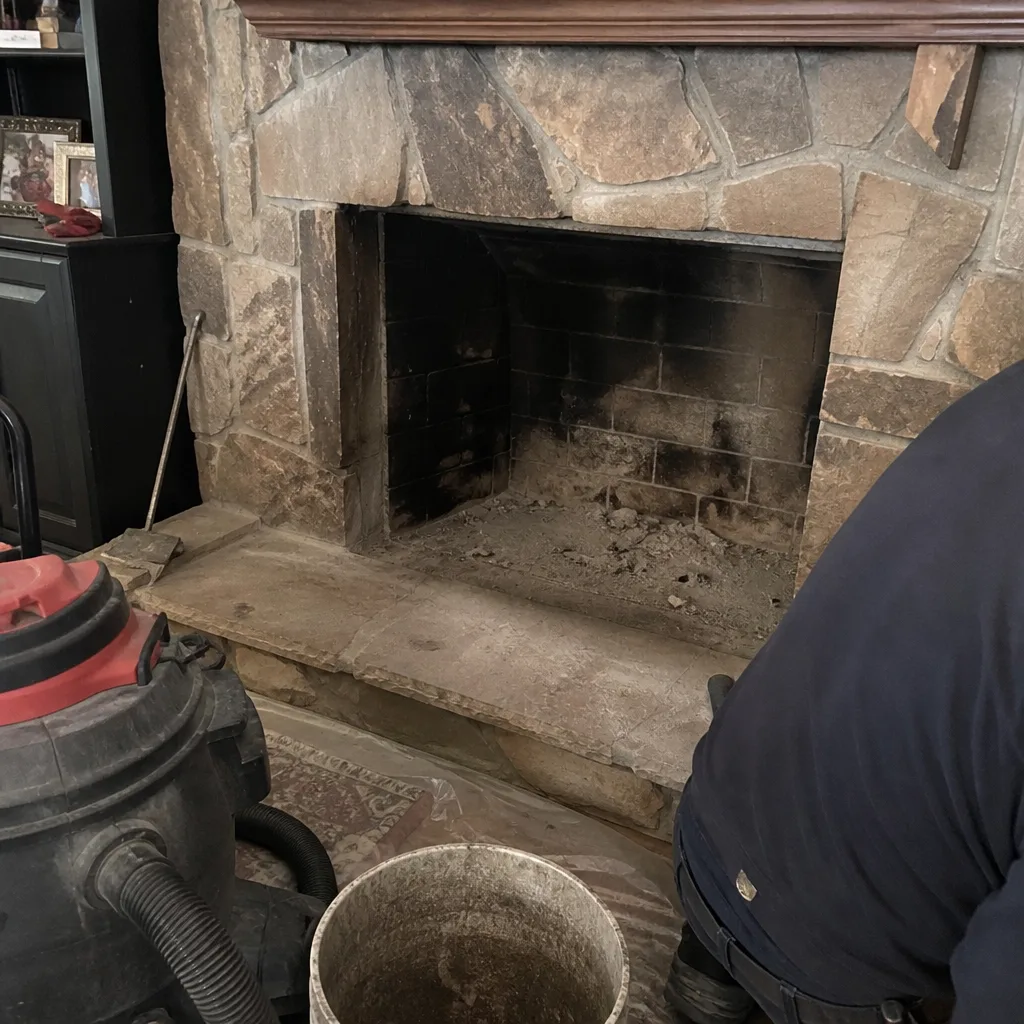 Before
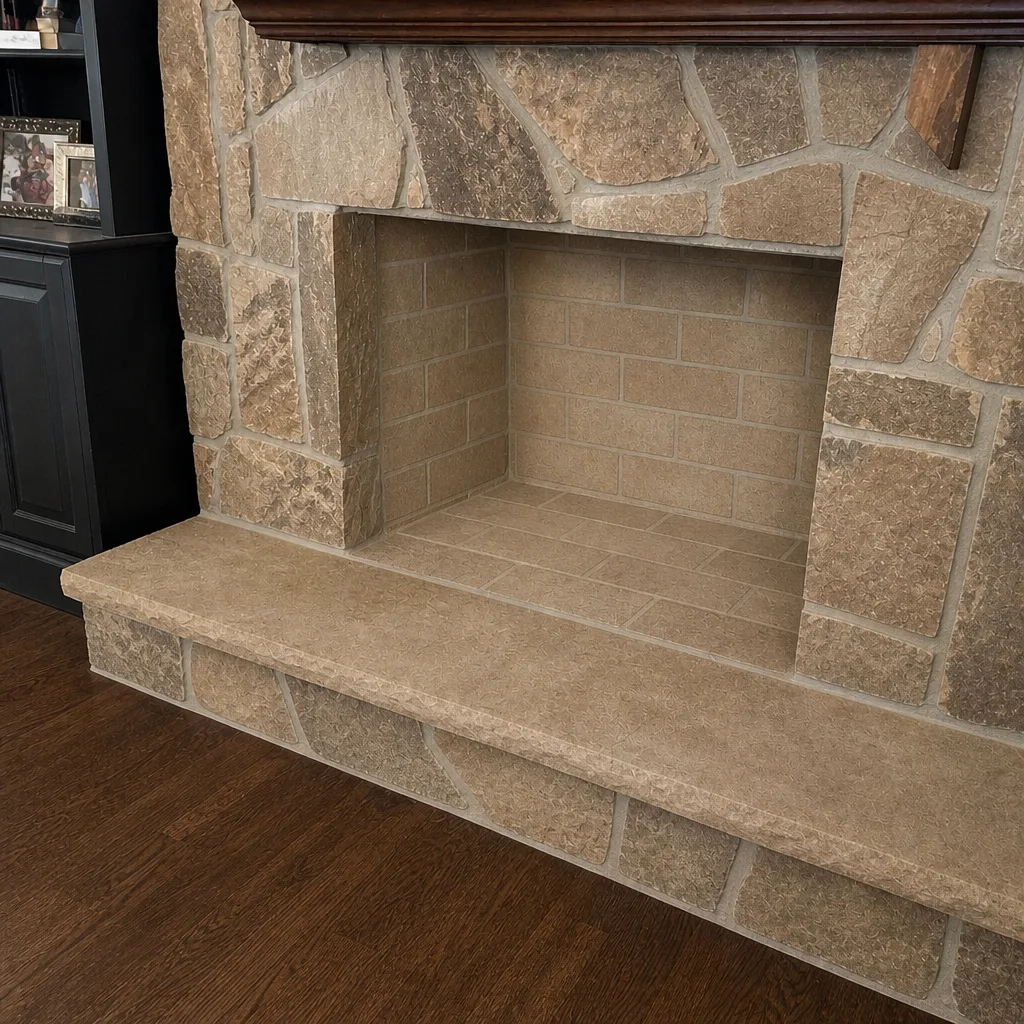 After
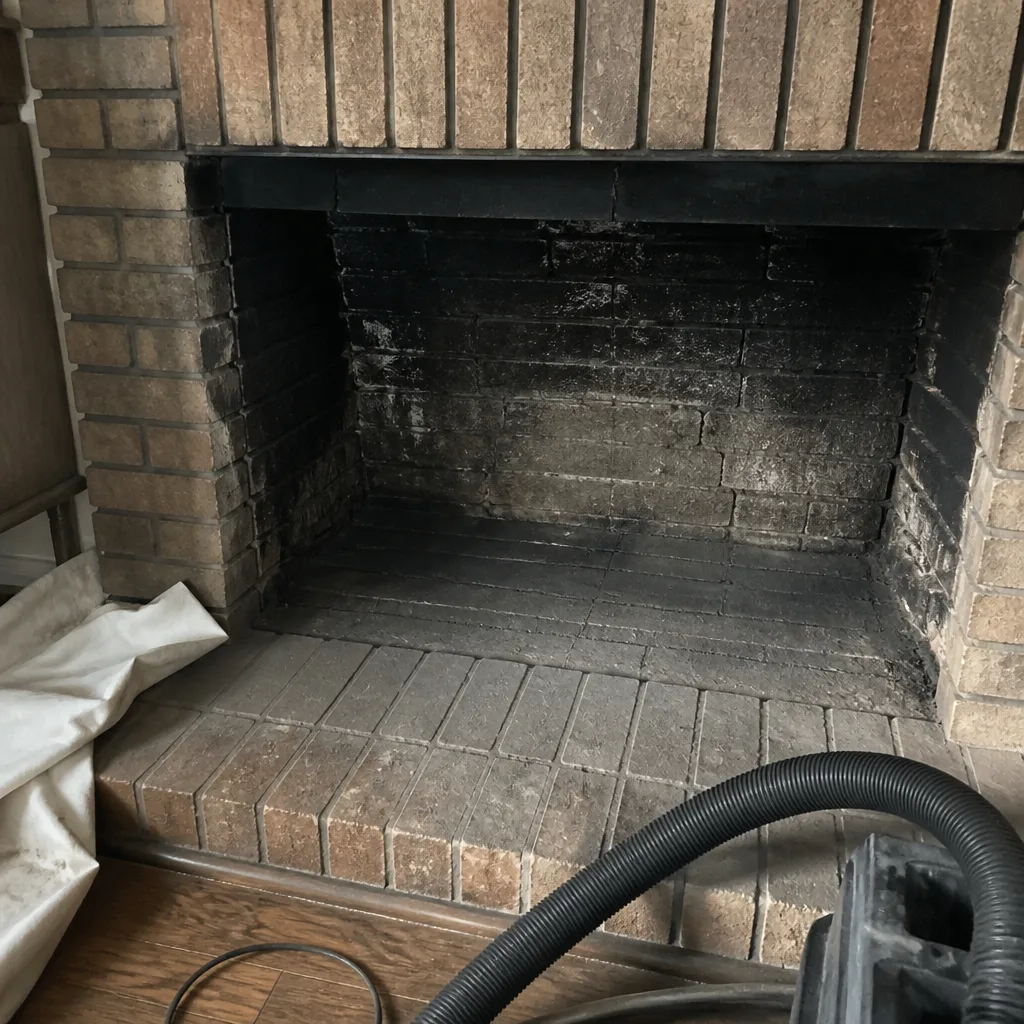 Before
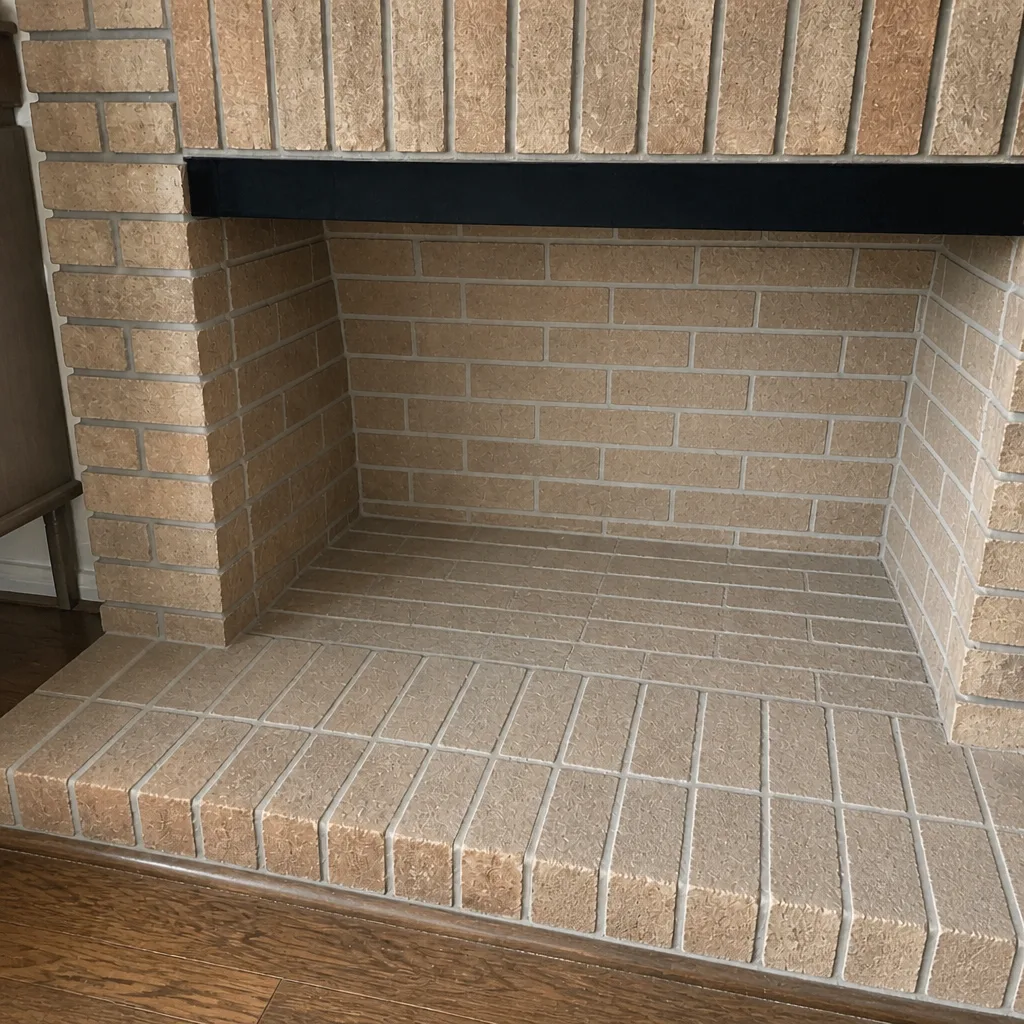 After
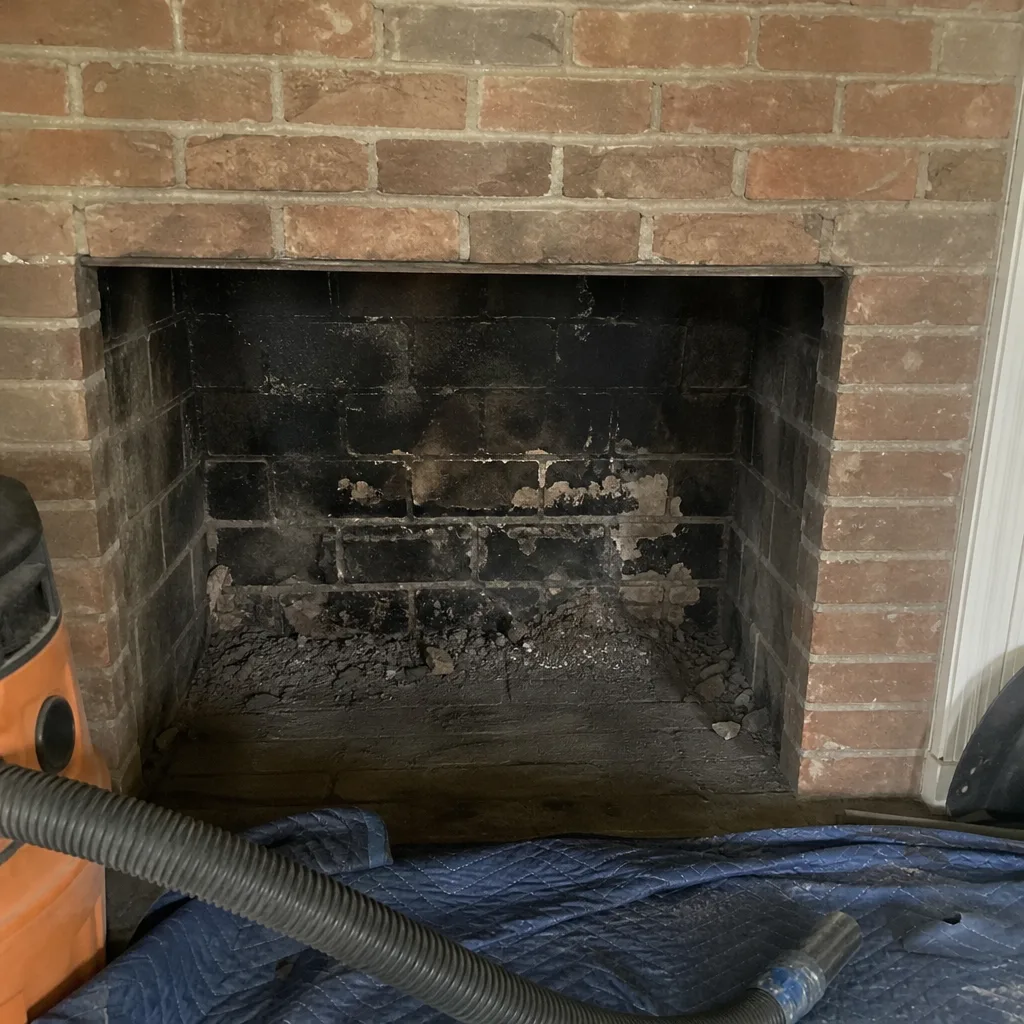 Before
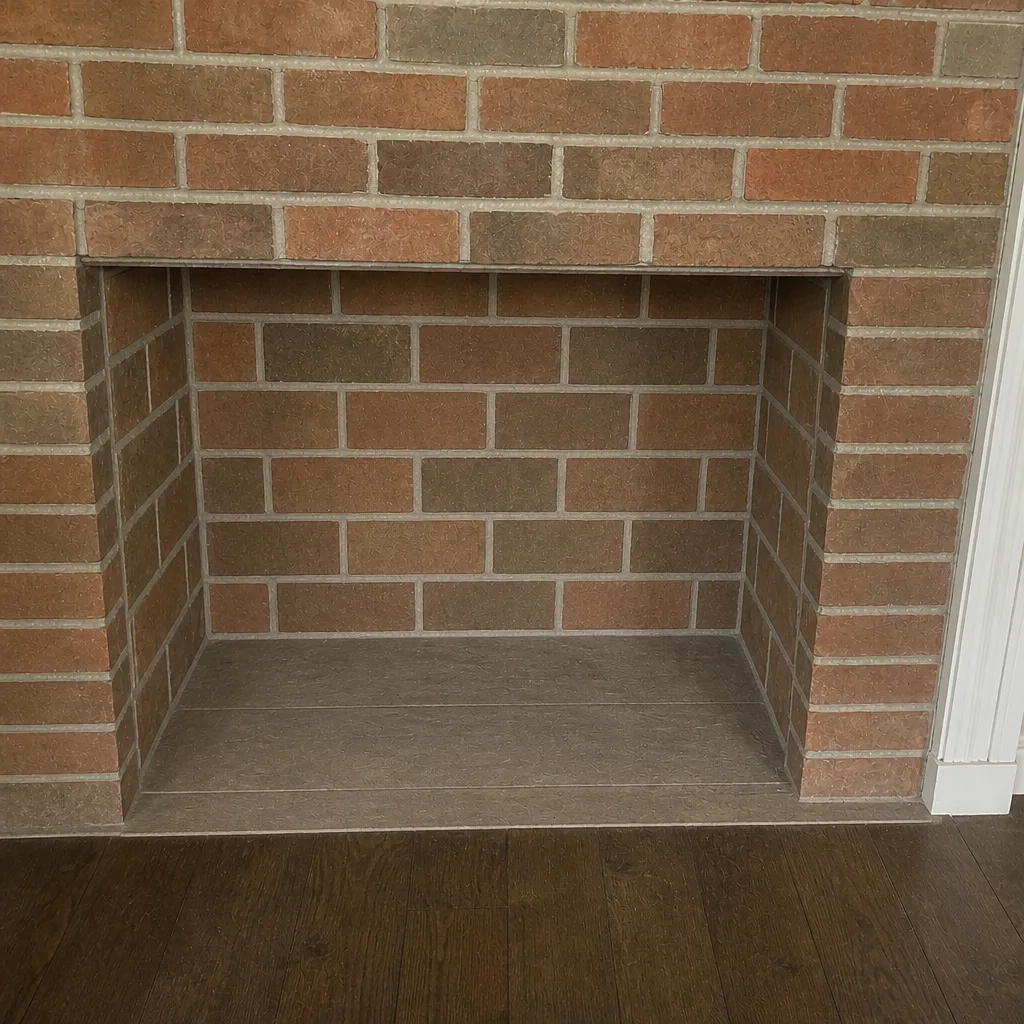 After
When to Call a Professional
Call a professional if any of these apply: you haven’t had an inspection in the last year; you burn regularly and haven’t been swept this season; you see glazed or puffy creosote from the firebox; your fireplace smokes into the room or smells when it’s not in use; you’ve had a chimney fire, however brief; you have a gas or oil appliance, insert, or wood stove; or you’re buying a Madison home and want to know what you’re getting. If you’re seeing a cracked crown or loose cap from the ground, that’s also a professional call – water intrusion from above is the leading cause of long-term chimney damage, and it’s much cheaper to fix before the flue is compromised. If you’re noticing any of the signs above, a professional inspection is the right first step. Madison Chimney Sweep Pros offers free estimates in Madison – call (855) 658-5258.
Frequently Asked Questions
Every job is priced per chimney by a written estimate, since condition and access vary from house to house. A straightforward sweep on a clean, accessible flue is a different scope than a stage-2 creosote removal, a smoke chamber parge, or a cap replacement, and the estimate reflects the actual work. Estimates are free. Call (855) 658-5258 for an exact quote – estimates are free.
Only in a narrow case: a straight, accessible flue with light stage-1 soot, already confirmed sound by a professional inspection. Anything else – stage-2 or stage-3 creosote, an insert or stove, a gas or oil appliance, an older liner whose condition you don’t know – is a professional job. The reason isn’t just the brush work; it’s the camera scan and smoke chamber assessment that comes with a professional visit. Call (855) 658-5258 for an exact quote – estimates are free.
Once a year is the standard interval for a regularly used wood-burning chimney, timed before the burning season starts. Heavier use, poor draft, or visible buildup may need it sooner. A professional inspection will tell you whether you’re on the annual schedule or need attention in between. Call (855) 658-5258 for an exact quote – estimates are free.
Creosote continues to build, and the deeper stages become harder and more expensive to remove. Stage 2 glazed deposits require specialty tools; stage 3 can only form after stage 2 has been left in place long enough to build up. Skimping on the annual inspection is how chimneys end up needing a reline or a rebuild instead of a cleaning. Call (855) 658-5258 for an exact quote – estimates are free.
Yes. Gas and oil appliances produce acidic condensate and carbon monoxide, and neither shows up in a mirror from the firebox. Draft testing and a liner camera scan are the only reliable way to know the flue is safe. Call (855) 658-5258 for an exact quote – estimates are free.
Yes, a proper visit includes a roof-level check of the cap, crown, flashing, and mortar joints, not just the flue interior. Water intrusion from above is the leading cause of long-term chimney damage, and it can only be seen from the roof. If replacement is needed, that’s a separate scope of work on the estimate. Call (855) 658-5258 for an exact quote – estimates are free.
The Bottom Line
A brush is cheap. A chimney fire isn’t. The honest answer to the DIY-versus-professional question isn’t that homeowners can’t sweep – some can, carefully, on a straight flue with light stage-1 soot. It’s that the brushing is not the job. The camera scan, the smoke chamber assessment, the creosote stage classification, the draft and CO testing, and the written report are where the safety actually lives, and a homeowner with a brush has no path to any of them. Get the free estimate, get the inspection, find out what’s in your flue before you burn this season. Call (855) 658-5258. We answer 24/7. Fast dispatch from 7am to 7pm, Sunday through Friday. Our technicians have up to 12 years of experience, and we handle the full chimney system – from crown to firebox – with the professional-grade materials that hold up. Lined with DuraFlex. Resurfaced with HeatShield. Madison Chimney Sweep Pros is here when you’re ready.
Written by the team at Madison Chimney Sweep Pros.