
Last updated November 24, 2026
 Sweep & inspection
 Caps & crowns
 Flue relining
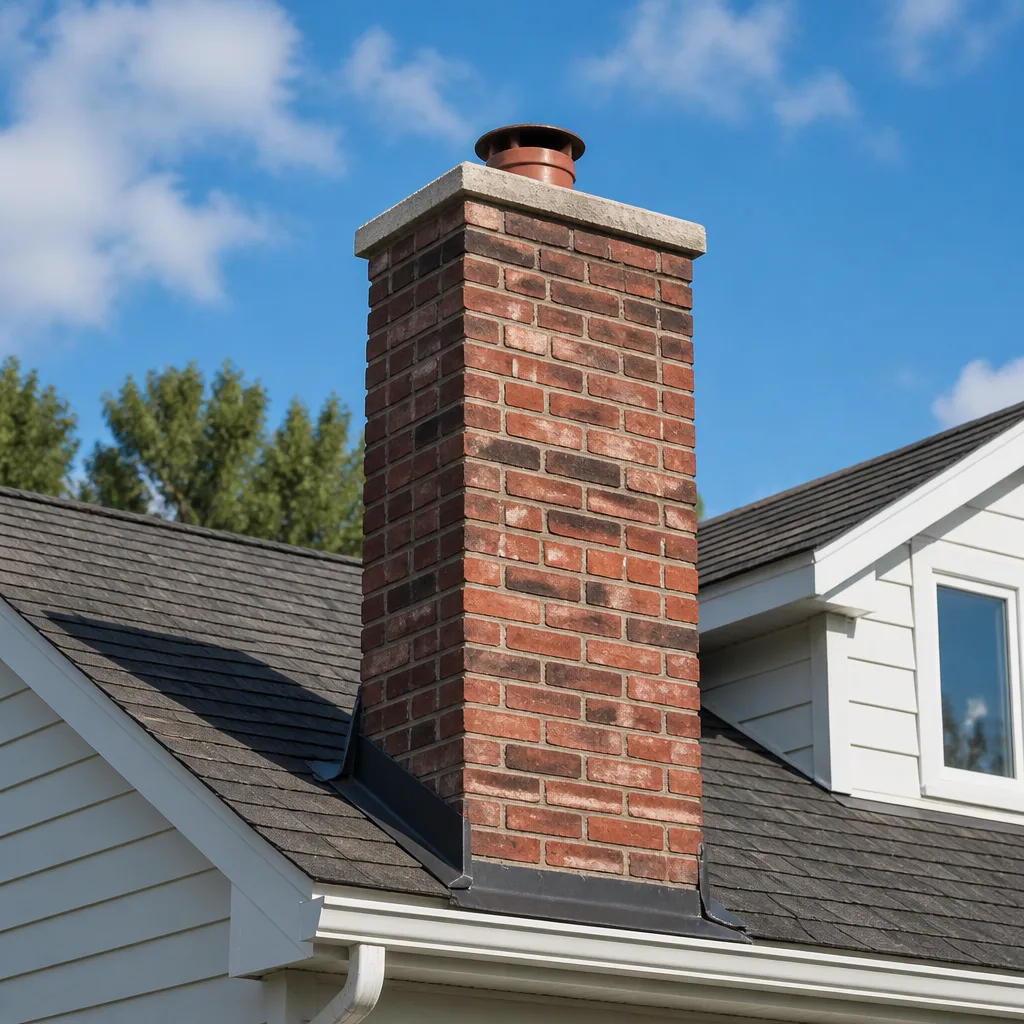 Masonry repair
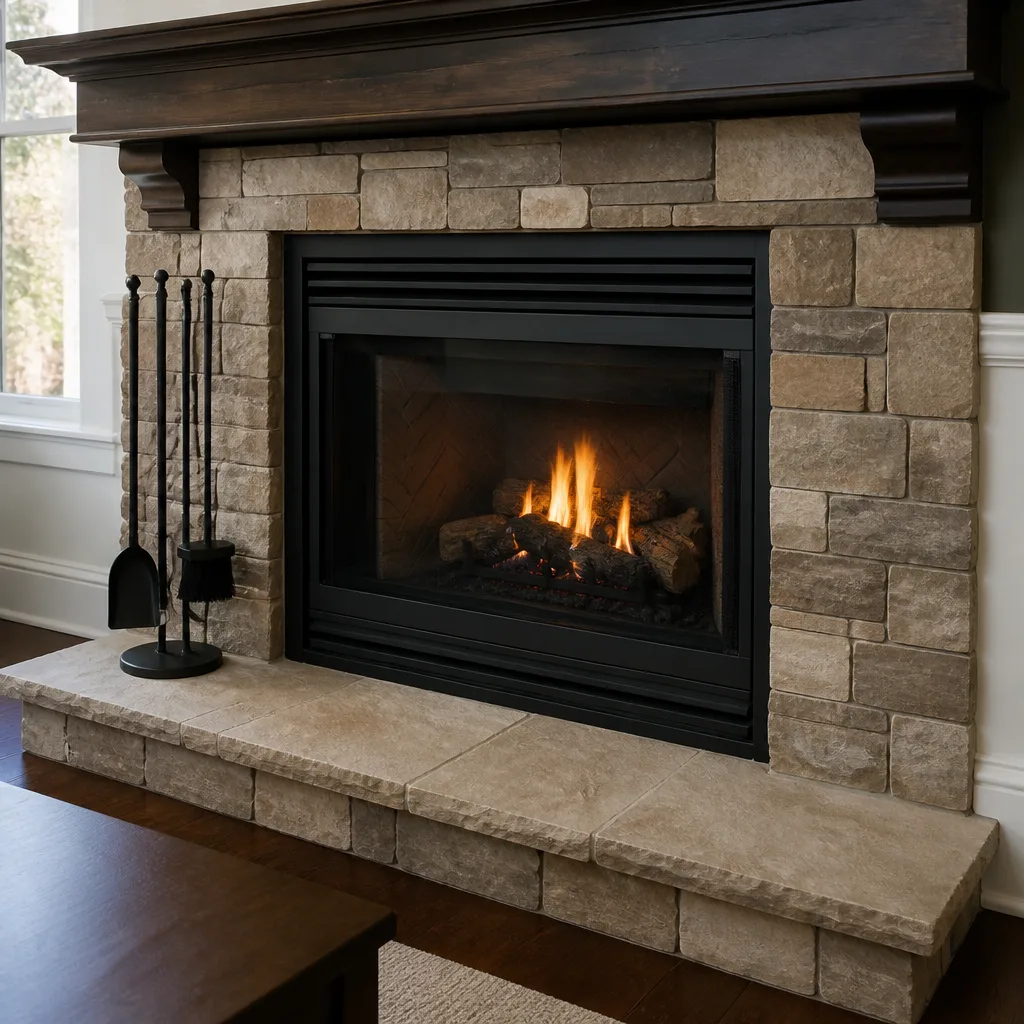 Gas fireplace service
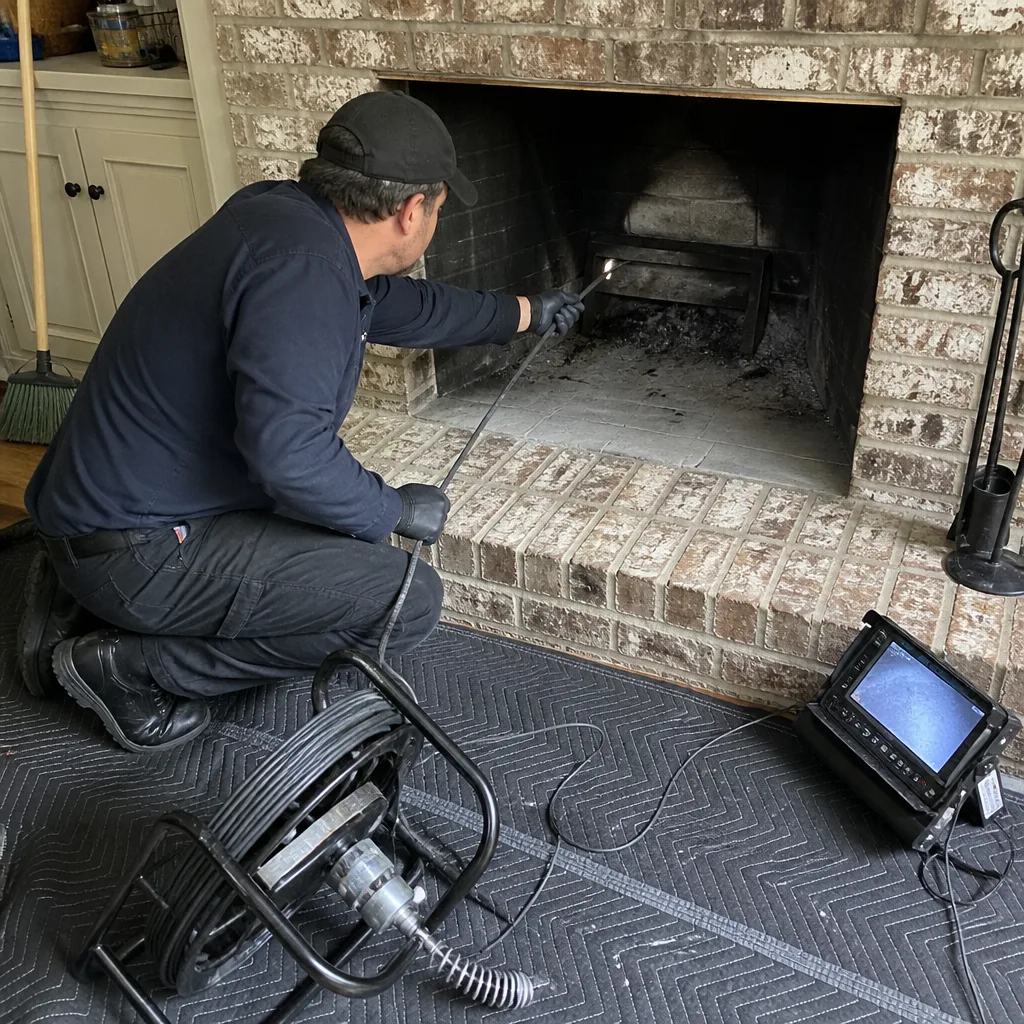
Level 1 sweep and inspection to the NFPA 211 annual standard - flue, crown, cap, and flashing checked and photographed
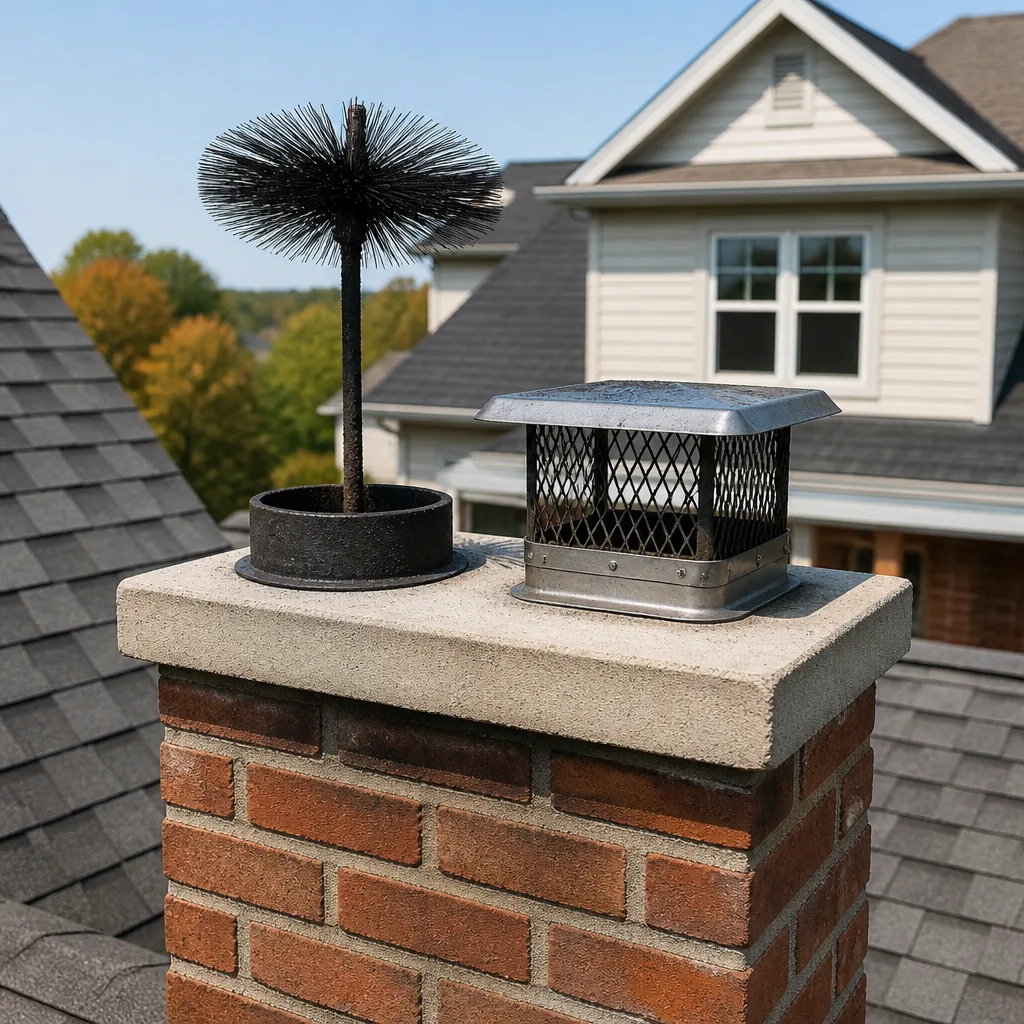
Chimney sweep logs do not sweep chimneys. They loosen some creosote - which then falls where a brush and vacuum still have to collect it.
Chimney Cleaning Permits, Codes & Inspections in Madison, TN: What You Need to Know
Most chimney work in Madison, TN needs no permit at all. The kind that does need one is the kind homeowners rarely ask about: relining, cap replacement, masonry repair. Here’s the part that surprises people. A relining job done without the required Davidson County mechanical permit isn’t just a paperwork problem. If a chimney fire happens later, your insurer can point at the unpermitted work and question the claim, even when the liner was installed correctly. This guide covers where the line falls between cleaning and alteration, how permits work in Davidson County, what the NFPA 211 inspection levels actually require, and how to confirm work on your chimney was pulled and passed. We’ve spent years watching this gap catch people out, and it’s fixable if you know what to ask.
Quick Answer
In Madison, TN, routine chimney sweeping needs no permit. Any work that alters the chimney structure or flue system does, including liner replacement, masonry repair, and some cap and crown installations, and that work must be permitted through the Davidson County codes office. Every chimney should be inspected to NFPA 211 standards before sweeping and again after any structural repair. Cleaning, by itself, is maintenance, not construction.
Our technicians have up to 12 years of experience distinguishing the two, and our Madison Chimney Sweep Pros team handles the sweep, the repair, and the paperwork questions that come with both.
Styles & brands we work with
- Sweep & inspection
- Caps & crowns
- Flue relining
- Masonry repair
- Gas fireplace service
Table of Contents
- Does chimney cleaning need a permit in Madison, TN?
- How Davidson County permits work for chimney repair
- What NFPA 211 requires at each inspection level
- Why a permit inspection and a chimney inspection aren’t the same thing
- How to confirm your chimney work was actually permitted
- Common cases of unpermitted chimney work in Madison
- How Madison’s climate and housing shape code issues
- Common mistakes to avoid
- When to call a professional
Does chimney cleaning need a permit in Madison, TN?
No. A permit isn’t required for a routine chimney cleaning in Madison, TN. Sweeping removes creosote, soot, and blockages from an existing flue. It doesn’t change the structure of the chimney or the components inside it. The Tennessee Residential Code treats that kind of maintenance as ordinary homeowner upkeep, the same way changing a filter doesn’t require a permit.
The line falls when the work becomes an alteration or a repair. These generally need a permit:
- Replacing or installing a flue liner, whether stainless or cast-in-place
- Rebuilding or repairing masonry above the roofline
- Replacing a chimney crown
- Structural repairs to the chimney chase
- Adding or replacing a fireplace insert or changing the appliance type
- Relocating a flue or making a new penetration through the roof
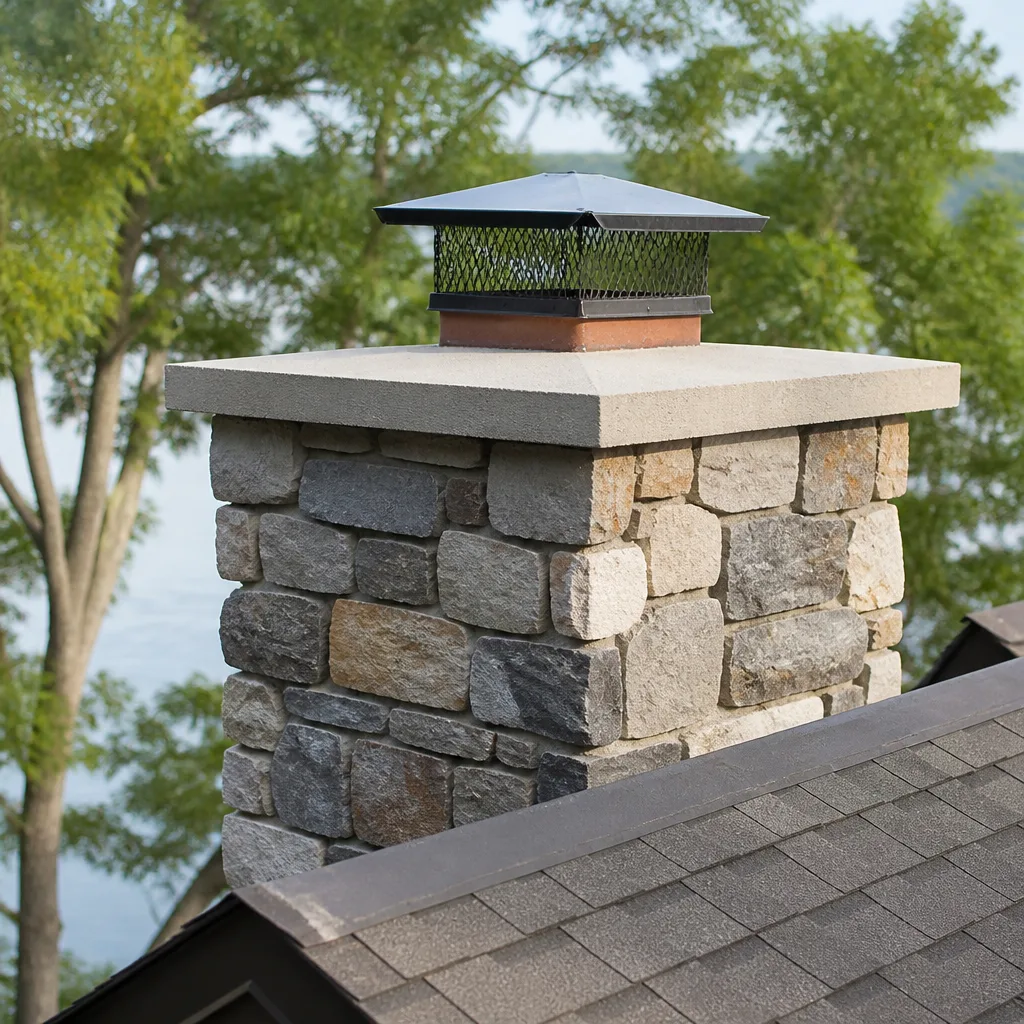
The cap itself is a gray zone. A simple top-mounted cap that slips over the flue often isn’t permitted work. A full crown and cap replacement where mortar and structure are involved usually is. When in doubt, the Davidson County codes office can tell you in a phone call whether your specific project needs a permit.
Here’s what this actually means for you: if a crew shows up, sweeps, and leaves, no permit is involved and none is needed. If a crew shows up and re-lines the chimney, replaces the crown, or rebuilds masonry, that job should be permitted, inspected, and closed out. The distinction is important at resale and at claim time. Our chimney sweep service is maintenance. Anything that touches the structure beyond cleaning goes through the permit route.
If you’re on the fence about which category your job falls into, that’s a good question for a professional. Call (855) 658-5258. We answer 24/7. Fast dispatch from 7am to 7pm, Sunday through Friday. The phone assessment costs nothing.
How Davidson County permits work for chimney repair
Chimney repair permits in Madison fall under Davidson County’s building permit process, which handles both the Metro Nashville codes office and the smaller jurisdictions within the county. A permit for a chimney liner, crown, or masonry repair typically involves these steps:
- Application. The contractor files for the permit with a scope of work describing what’s being replaced or altered, plus the materials being used.
- Review. The codes office reviews the application. For chimney work this usually means confirming the appliance type, the proposed liner or material, and the clearances.
- Permit issued. The permit is posted on the job.
- Inspection. The inspector visits at the appropriate stage. For a full reline, that can mean a rough-in inspection before the top plate goes on and a final at completion.
- Sign-off. Once passed, the permit is closed. That record is what your insurer and a future buyer check.
One practical wrinkle: a professional stainless liner from a product line like DuraFlex gives the inspector a known, documented material to sign off on. Retail liner kits with no product traceability make the review harder and sometimes fail outright. That’s one reason we work with DuraFlex, HeatShield, Famco, and Copperfield – the same brands a certified chimney professional specifies, with specs the codes office can verify.
For structural work, the codes office may also require a drawing of the proposed repair, particularly for masonry above the roofline where wind and seismic loads come into play. Have your contractor confirm in writing whether the project is a permit job before any work starts. If they can’t answer, ask their supplier or the codes office directly.
What NFPA 211 requires at each inspection level
NFPA 211 is the national standard for chimneys, fireplaces, vents, and solid fuel appliances. It defines three levels of inspection, and each answers a different question. Knowing which level you need is the single most useful thing you can bring to a chimney appointment.
- Level 1. A visual inspection of readily accessible portions of the chimney, firebox, damper, and appliance connection. Required at every routine sweep, appliance swap within the same fuel type, or annual service. This is what a standard chimney sweep visit includes.
- Level 2. Adds inspection of accessible attic, crawlspace, and other concealed areas, plus a camera in the flue. Required after any change in fuel type, after a chimney fire, after an earthquake or significant storm event, when selling or transferring a home, or when an unsafe condition is suspected. This is the level that catches cracked tiles, gaps in a liner, and hidden creosote glaze.
- Level 3. Diagnostic inspection that requires removing parts of the chimney or building to access concealed areas. Used when a Level 2 has flagged a problem that can’t be explained otherwise.
NFPA 211 is a national standard, not a local law, but Davidson County’s codes office and the Tennessee Residential Code lean on it when they review a chimney permit. The inspector reviewing your liner application is essentially asking whether the installation meets NFPA 211 clearances and standards. That’s why a proper inspection and proper materials above go hand in hand with the permit.
For any repair or liner installation, get a Level 2 inspection at minimum. We make a point of documenting our findings on camera and photo so you can see the same thing the codes inspector will. That’s a chimney cap & crown job or a reline done right, on record.
Why a permit inspection and a chimney inspection aren’t the same thing
A permit inspection is a code-compliance check. A chimney inspection is a condition check. They serve different purposes, and homeowners regularly confuse them.
The codes inspector’s job is narrow. They confirm that the installed work matches the approved scope and meets code minimums. If you replaced a liner, they confirm the liner is the size and type specified and the top connection is sound. They don’t measure your flue, assess creosote levels, look inside for tile damage, or comment on whether you should have replaced the liner rather than patched it. That’s the chimney professional’s job.
A Level 2 chimney inspection by a professional covers what the codes inspection doesn’t:
- Flue interior condition and tile/mortar integrity
- Creosote accumulation and whether it’s at glaze stage
- Proper drafting and appliance connection
- Crown, flashing, and cap condition from the top
- Clearances from combustibles in the attic and at the roof penetration
- Evidence of past chimney fires or water intrusion
Think of them as two different sign-offs. The codes inspector signs off on the work. The chimney professional signs off on the chimney. A job isn’t finished to a real standard until both have happened, and in Madison that means a permitted repair plus a documented Level 2 inspection both on file for the house.
How to confirm your chimney work was actually permitted
This is the part homeowners rarely do, and it’s the one that protects resale value and insurance standing. Confirming chimney work was permitted and passed is straightforward – it just takes a phone call or a portal lookup.
- Ask for the permit number in writing. Before work starts, ask your contractor for the permit number they filed. If they can’t produce one for a liner, crown, or masonry job, that’s a red flag.
- Look up the permit on the county portal. Davidson County publishes a permit lookup you can search by address. Search your address and confirm the permit exists, that the scope matches the work being done, and that it’s in the contractor’s name, not the homeowner’s.
- Confirm the inspection actually passed. A permit being issued isn’t the same as passing. Confirm the final inspection is signed off and the permit is marked closed or final.
- Get the inspection record in your file. Keep the permit number and inspection result with your home records. Your insurer and a future buyer may both want to see it.
If you bought a house where previous owners had chimney work done and you don’t know whether it was permitted, you can still check. Search the county portal for permits on the address. If there’s no record and the work is visible (new liner, new cap, new masonry), assume it was unpermitted and get a Level 2 inspection to assess whether the work is sound.
We don’t pull permits on behalf of your current contractor – that’s the installing contractor’s job – but we can tell you what a completed job should look like and what a Level 2 inspection should have caught. Call (855) 658-5258. We answer 24/7. Fast dispatch from 7am to 7pm, Sunday through Friday.
Common cases of unpermitted chimney work in Madison
Upermitted work isn’t rare. Homeowners inherit it more often than they create it, and in a resale, it can surface years later. These are the patterns we run into most:
- A liner that was never recorded. A previous owner had a stainless liner installed, but the permit file at the county is empty. The liner may be fine, but there’s no documented inspection. Escrow issues sometimes show up at resale.
- A crown replacement done as a repair. A handyman service removed and reset the crown without a permit. If the mortar bond or flashing wasn’t done properly, water intrusion is already underway.
- A cap installed over a rusted crown. A new cap can make a decaying crown look fine. The cap itself may not need a permit, but the crown underneath does, and nobody filed for it.
- An insert installed with no liner upgrade change. A wood stove or insert added over an existing flue without a permit, which sometimes leaves the appliance connected to a flue that doesn’t meet clearance requirements.
- Masonry repairs done above the roofline without structural review. Rebuilding the top courses of a chimney above the roof requires both a permit and a structural sightline in Davidson County. Some quick-and-clean repairs skip both.
If any of these describe your chimney, the fix isn’t to re-do everything. It’s to document what’s there with a Level 2 inspection, correct anything unsafe, and get any future repair properly permitted. In some cases, an already-completed repair can be permitted retroactively through the county, particularly for those where the work is genuinely sound and the inspection passes. In those cases, expect the codes office to require an inspection by a qualified professional.
Our fireplace repair and chimney repair work covers this cleanly because we can inspect, document, and bring the repair into compliance in one pass, without a subcontractor handoff. A chimney inspection that actually leads to a fix is the point.
How Madison’s climate and housing shape code issues
Madison is on the north side of Nashville, in Davidson County, and its climate matters more to code decisions than most homeowners realize. The area sees hot, humid summers and cool, damp winters with repeated freeze-thaw cycles through the cold months. That cycle is hard on masonry. Water soaks into brick and mortar joints, freezes, expands, and produces spalling and cracked joints over many winters. Crowns are tested constantly, and any crown that starts to hairline crack becomes a route for water to reach the flue.
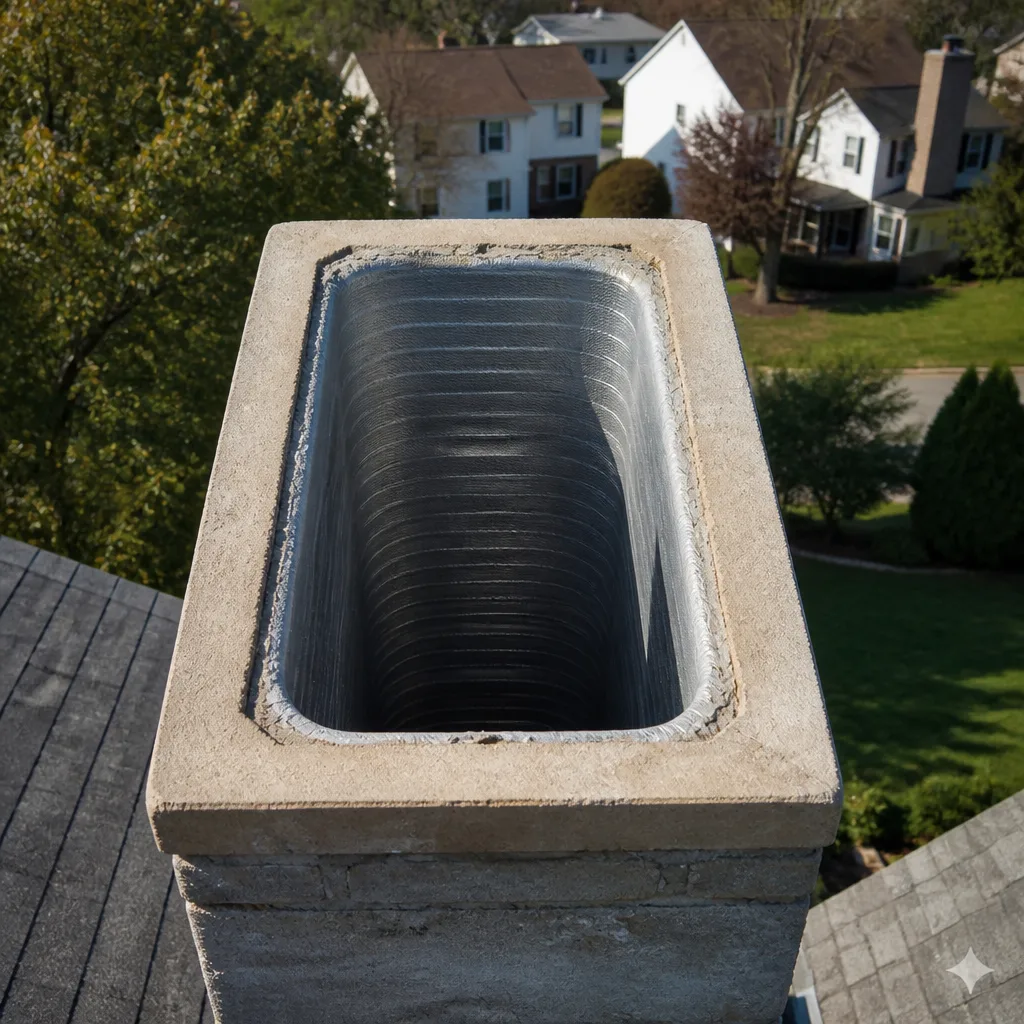
The housing stock matters too. A large share of Madison’s homes were built mid-century, with original masonry chimneys and terra cotta flue tiles. Terra cotta tiles are prone to hairline cracking, and once cracked they can pass hot gases into the masonry structure – a serious code problem. When a tile can’t be replaced in place, resurfacing with HeatShield extends the life of the flue without demolition and without pulling out the entire chimney. When a full replacement is warranted, a DuraFlex stainless system gives the codes inspector a documented product to sign off on.
The upshot for Madison homeowners: original tile flues are past their expected life in many of these homes. If you’re buying or keeping an older Madison house with a wood-burning fireplace, a Level 2 inspection tells you whether the tile is still sound or whether a repair permit will be in your near future. Don’t wait for the crack to show up in the wrong place. A chimney sweep and Level 2 inspection on the front end usually costs far less than a structural repair on the back end.
Common mistakes to avoid
- Assuming every chimney job needs a permit, or none does. Cleaning never needs one; repairs almost always do. Assume the wrong end and you either overspend on paperwork or end up with unpermitted work on record. Call the county codes office with your specific scope.
- Letting a general handyman install a liner or reset a crown. Those are precisely the jobs where the codes inspector asks for material documentation and proper clearances. A handyman without a chimney credential can produce work that looks fine and fails at resale.
- Skipping the Level 2 inspection after a chimney fire. Even a small flue fire can crack tile, warp a damper, or hide structural compromise. NFPA 211 requires a Level 2 after any chimney fire, and this is one of the gaps that most often goes overlooked in Madison’s older homes.
- Trusting a “safety inspection” certificate that doesn’t include photos. If the inspection didn’t get a camera in the flue and produce photos, you don’t have a Level 2 inspection. You have a visual opinion.
- Buying a house without checking the permit history. A quick search on the Davidson County portal for the address is worth ten minutes of your closing process. Prior unpermitted chimney work can become a negotiating point.
- Not keeping the inspection and permit records. Insurers may ask for them after a loss. A future buyer will ask before closing. Keep the permit number and the final inspection sign-off with your home file.
- Replacing a cap without checking the crown underneath. A cap is only as good as the crown it sits on. A cap installed over a decaying crown can hide water damage while water keeps getting in.
When to call a professional
Reach out to a chimney professional when any of these is true: you’ve never had a Level 2 inspection on the home you now own, you’re about to buy or sell a house in Madison with a fireplace, you’ve had any chimney fire, you’ve noticed water stains on the ceiling near the flue, your flue has terra cotta tile that hasn’t been checked in years, or your chimney has visible masonry cracks. Those situations are all inspection-first jobs. The inspector answers the permit question for you. If a repair is needed, the written estimate sets the price, and the permit path is clear. If nothing is needed, you’ll hear that too, and can safely wait.
Madison Chimney Sweep Pros offers free estimates in Madison – call (855) 658-5258. We answer 24/7. Fast dispatch from 7am to 7pm, Sunday through Friday.
See the difference
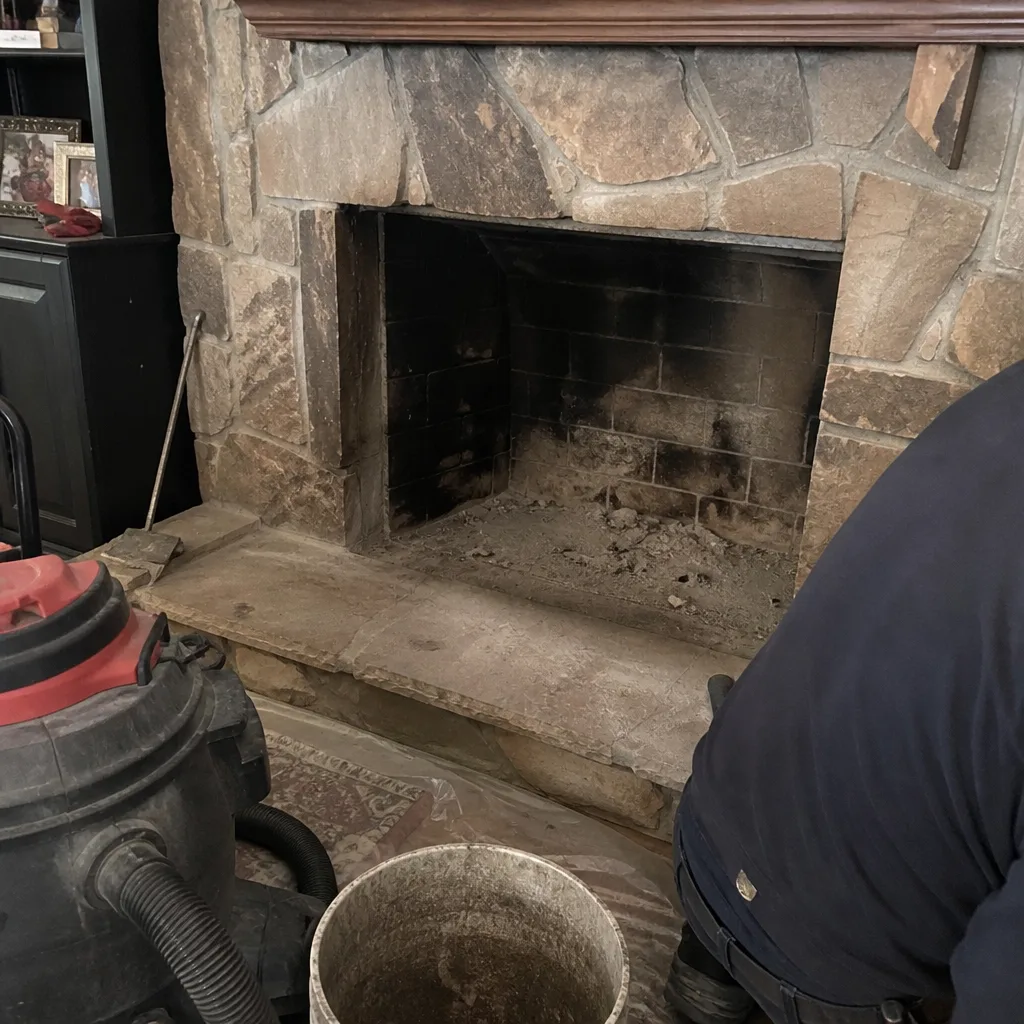 Before
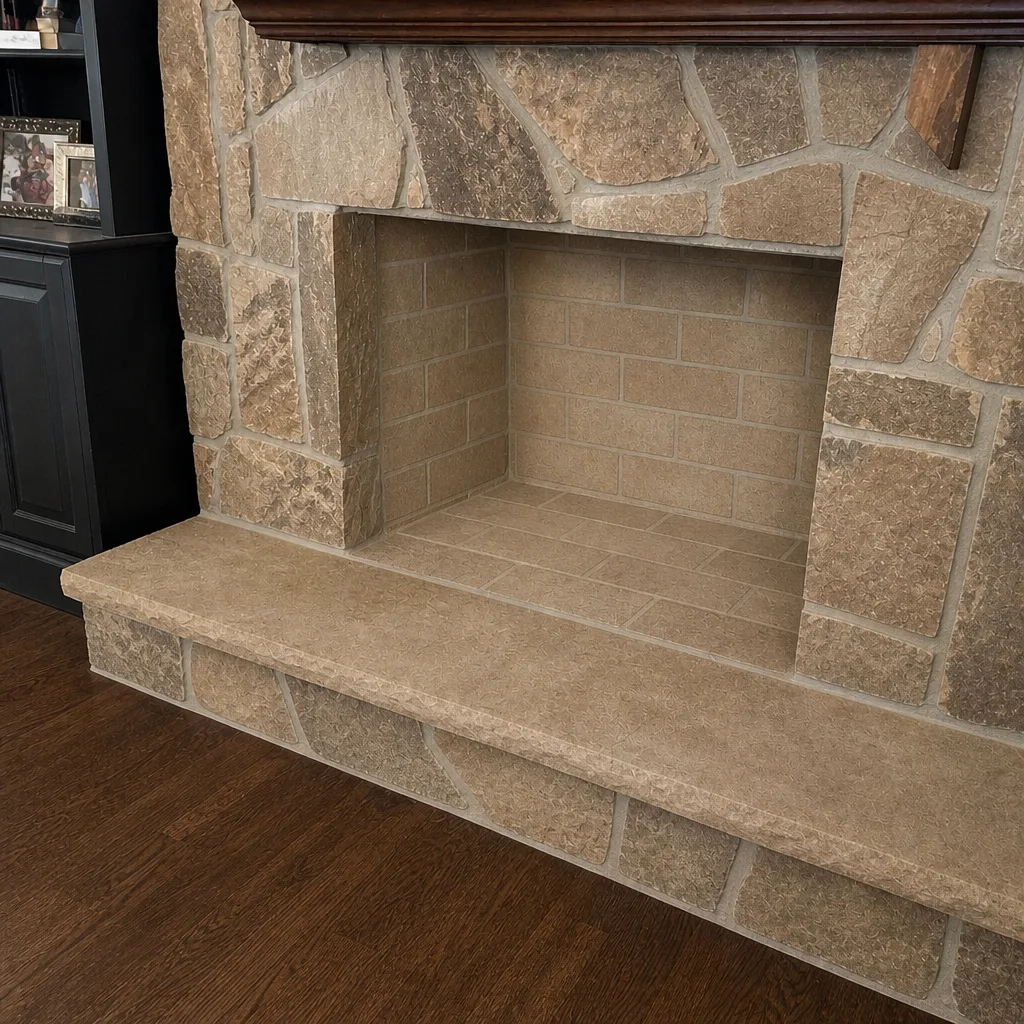 After
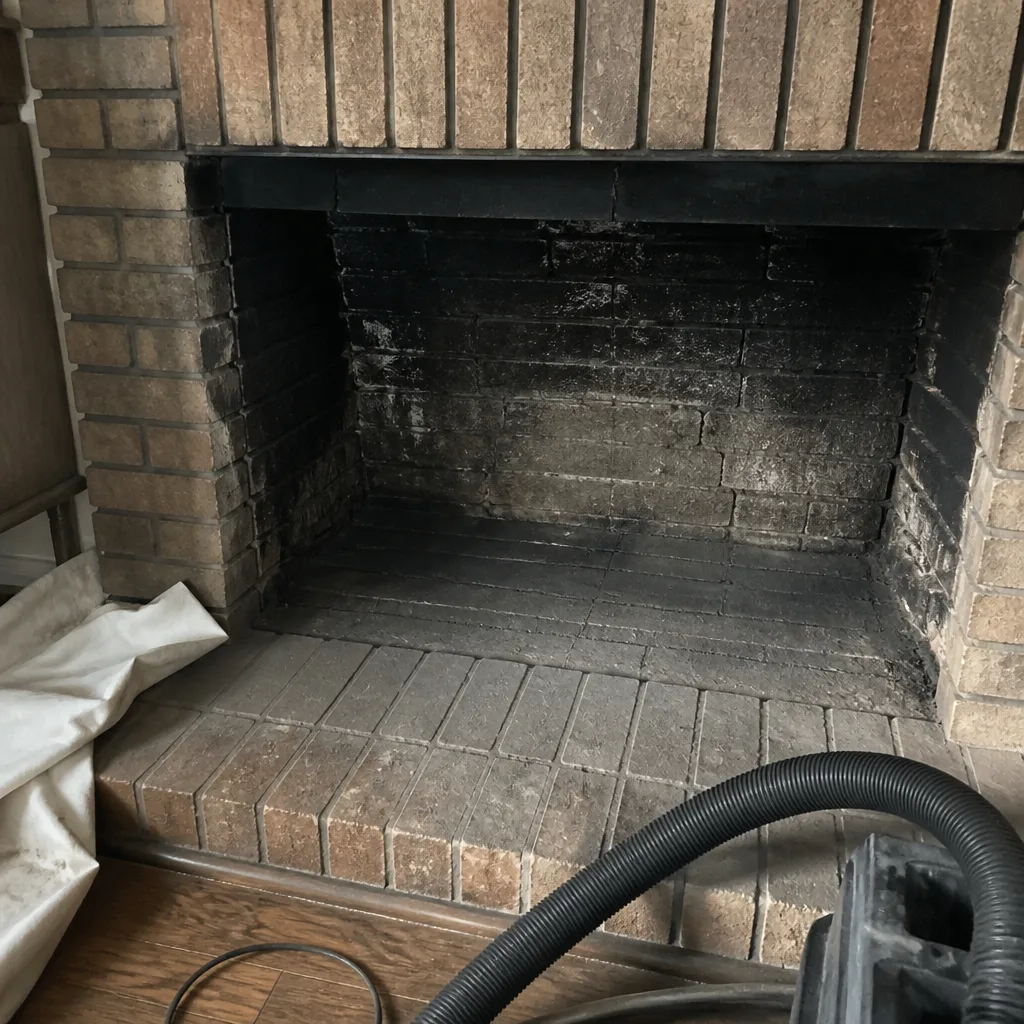 Before
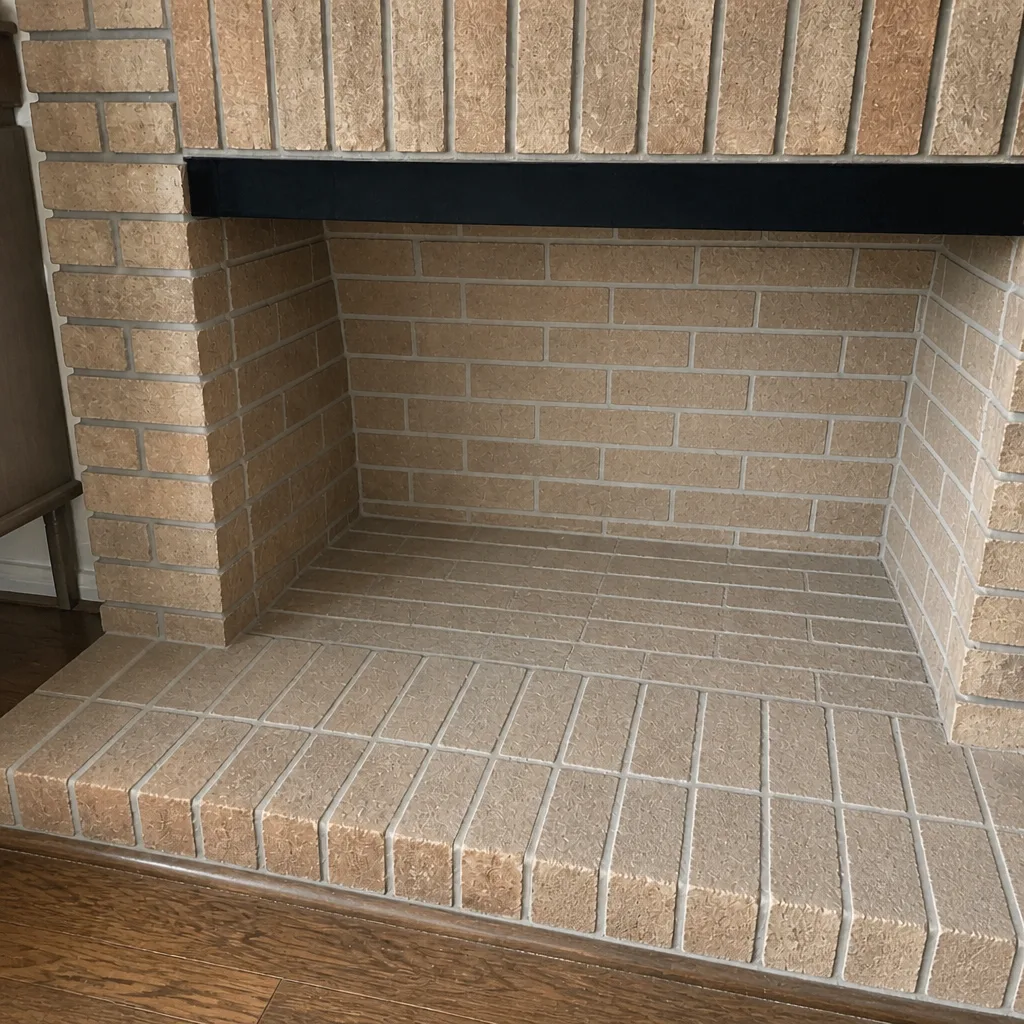 After
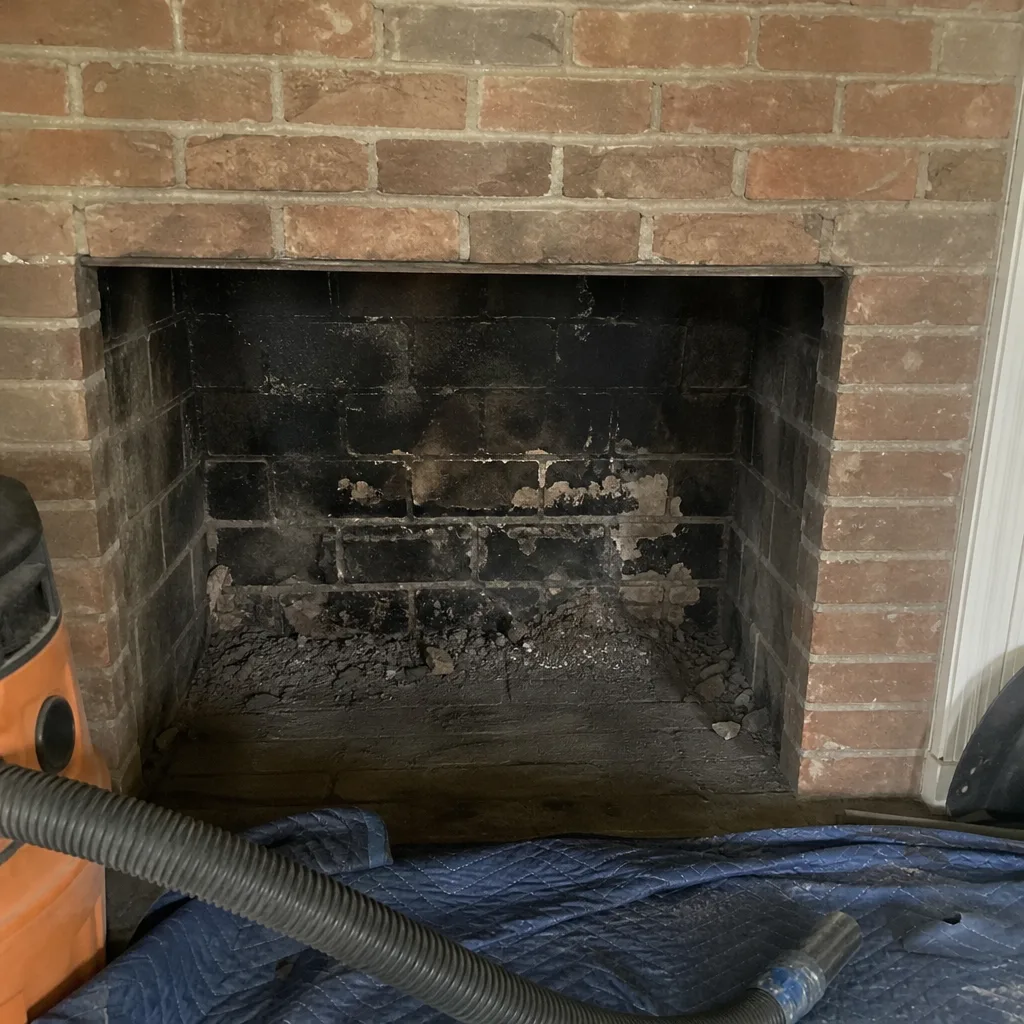 Before
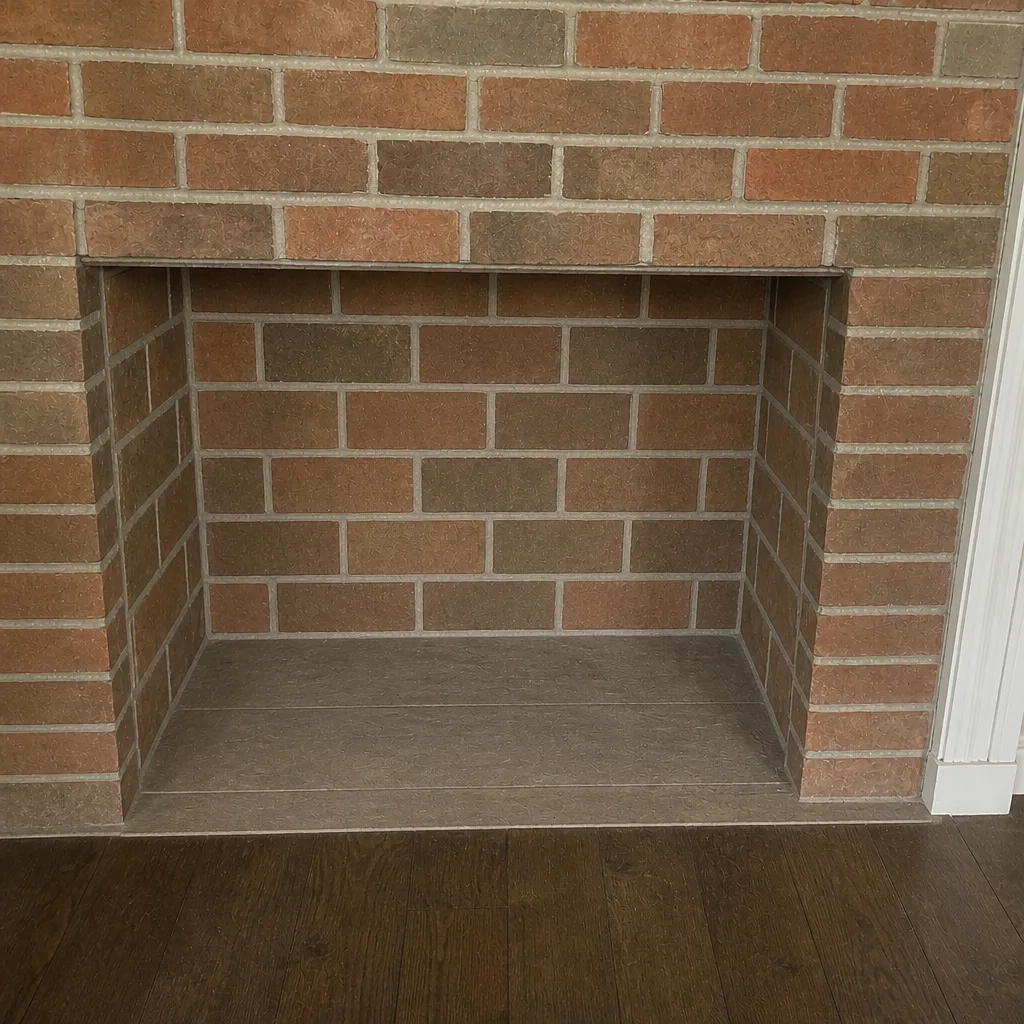 After
Frequently Asked Questions
No. Routine chimney sweeping in Madison requires no permit because it doesn’t alter the chimney structure or flue system. Cleaning removes creosote and blockages; it doesn’t change any component. Anything that alters the chimney, such as a new liner, crown, or masonry repair, does require a permit through Davidson County. Call (855) 658-5258 for an exact quote – estimates are free.
Yes. A liner replacement alters the flue system, so it needs a building permit through the Davidson County codes office. The contractor files the application, the codes inspector reviews it, and a final inspection closes it out. Keep the permit number and sign-off with your home records. Unpermitted relining can complicate an insurance claim after a fire. Call (855) 658-5258 for an exact quote – estimates are free.
A Level 2 inspection is a condition assessment by a chimney professional – it evaluates the flue, masonry, crown, cap, and clearances. A code inspection is a compliance check by the county on work that was permitted. They’re different sign-offs, and both matter. A permitted repair should always be paired with a Level 2 inspection so you know the chimney, not just the paperwork, is sound. Call (855) 658-5258 for an exact quote – estimates are free.
Sweep a wood-burning chimney at least once a year, or sooner if you burn heavily – the general rule is when creosote reaches about a quarter-inch buildup, and annual is simpler to track. Gas and oil fireplaces need an annual inspection too, even if they don’t need a formal sweep. In Madison’s older homes, an annual visit is also how you catch tile cracks and crown wear early. Call (855) 658-5258 for an exact quote – estimates are free.
Yes. Ask for the permit number before work starts, search for it on the Davidson County permit portal by address, and confirm the final inspection is signed off. Any contractor doing liner, crown, or masonry work should be able to give you the permit number without hesitation. If they can’t, that’s a job to walk away from. Call (855) 658-5258 for an exact quote – estimates are free.
Skipping the permit doesn’t affect how the liner works – it affects how an insurer treats the claim. If a chimney fire happens and the insurer finds the relining work was unpermitted, they can question the claim even when the installation itself was correct. Resale is the other risk: buyers and their inspectors check permit history on the address. Permits are inexpensive; claim problems are not. Call (855) 658-5258 for an exact quote – estimates are free.
The Bottom Line
Chimney cleaning needs no permit in Madison. Chimney alteration and repair do. The line runs between maintenance (cleaning) and construction (liner, crown, masonry, structural work), and Davidson County cares about the second category. The codes inspector confirms the installed work meets code. The chimney professional confirms the chimney is sound. Both should be on file for your home, and both protect you at resale and at insurance time. Get a Level 2 inspection before any repair, ask for the permit number in writing, and check it on the county portal yourself. If a repair is coming, ask for the manufacturer and installer documentation up front – a HeatShield resurfacing, a DuraFlex liner, or a proper cap and crown installation all start with a documented inspection.
When you’re ready to know where your chimney stands, call Madison Chimney Sweep Pros at (855) 658-5258 for a free estimate. We answer 24/7. Fast dispatch from 7am to 7pm, Sunday through Friday. We handle the full chimney system, from crown to firebox – so the inspection, the repair, and the paperwork all line up.
Written by the team at Madison Chimney Sweep Pros.